In brief
Florida is facing an unexpected cold snap as a powerful Arctic blast sweeps across the U.S., with temperatures potentially dropping into the 30s and even 20s in some regions. Despite the forecasted flurries and wind chills that could make it feel even colder, residents and local wildlife services are taking measures to protect people, animals, and crops. Zoo keepers and farmers are implementing strategies to minimize the impact of the cold weather as the state is also preparing for its annual Gasparilla Pirate Fest.
MIAMI — Florida won't be enveloped by the snow and ice which has hit much of the United States, but residents are bracing for what may feel like a winter wonderland to those used to year-round sunshine.
As the Northeast and Midwest deal with an intense winter storm, cold air is expected to sweep into Florida. A cold front has already caused temperatures to dip, and meteorologists predict this weekend could see historic lows across parts of the state.
Freezing Temperatures Ahead
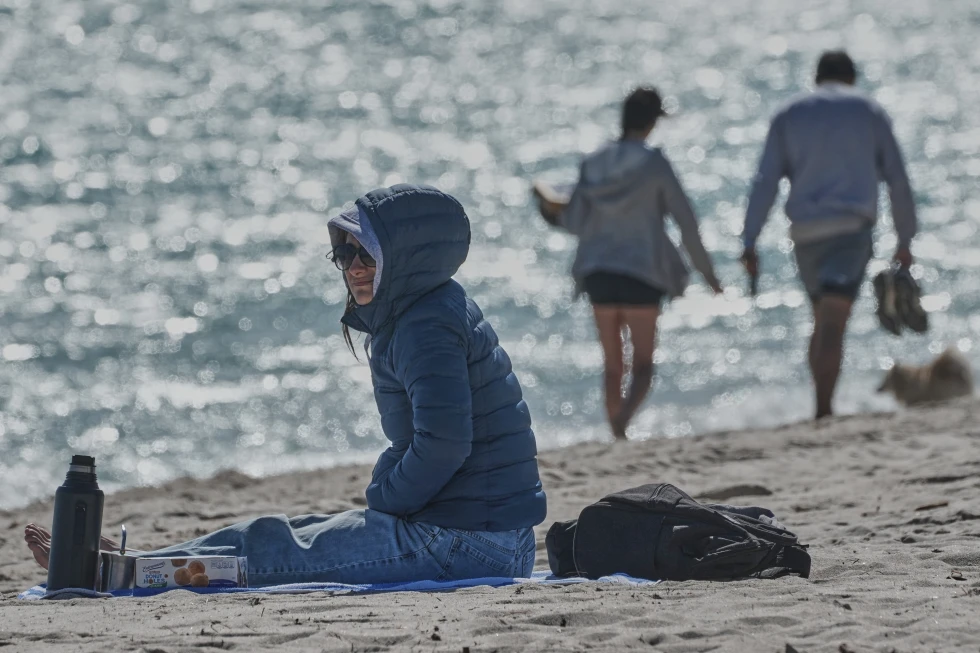
Forecasters indicate that South Florida could see temperatures falling into the 30s, with areas near Lake Okeechobee possibly reaching the 20s. Should winds pick up, the windchill will make the air feel much colder, prompting safety warnings for residents who typically lack heavy winter clothing.
“It’s vital to layer up with lighter clothing and minimize outdoor exposure,” stressed Ana Torres-Vazquez from the National Weather Service in Miami.
If you live in the Tampa Bay area, there might even be a slight chance of flurries this weekend.
“Any snow that happens will likely be minimal or flurries with no accumulation,” said Tony Hurt, a National Weather Service forecaster.
The last snowfall in that area occurred in January 2010, a memory that few residents have.
The Gasparilla Pirate Fest is scheduled for Saturday in Tampa, alongside an outdoor NHL game featuring the Lightning on Sunday.
Wildlife Under Restraint
Zoo Miami representatives have initiated efforts to protect animals against the cold. This includes providing blankets for primates and heaters for small mammals and reptiles, which may struggle in subpar weather conditions.
Remarkably, larger animal species—like big cats—often thrive in the cooler temperatures.
In the wild, Florida’s native species are accustomed to cold snaps. However, some nonnative animals, such as iguanas, can be severely affected, sometimes falling from trees or succumbing to the conditions.
Farming Precautions
Florida’s agricultural sectors are also taking precautionary measures, urging farmers to protect crops during this critical planting season. Methods being employed include advanced irrigation techniques and even deploying helicopters for sensitive crop areas.
The impending cold wave arrives as many in northern states confront power outages and life-threatening wind chills, underscoring the widespread impact of this unusual weather.
The situation is coupled with alerts in various southeastern states as meteorologists predict heavy snow and strong winds, potentially leading to blizzard-like conditions in the region.