Fatal Wildfire on Salamina Island Highlights Greece’s Burning Climate Crisis
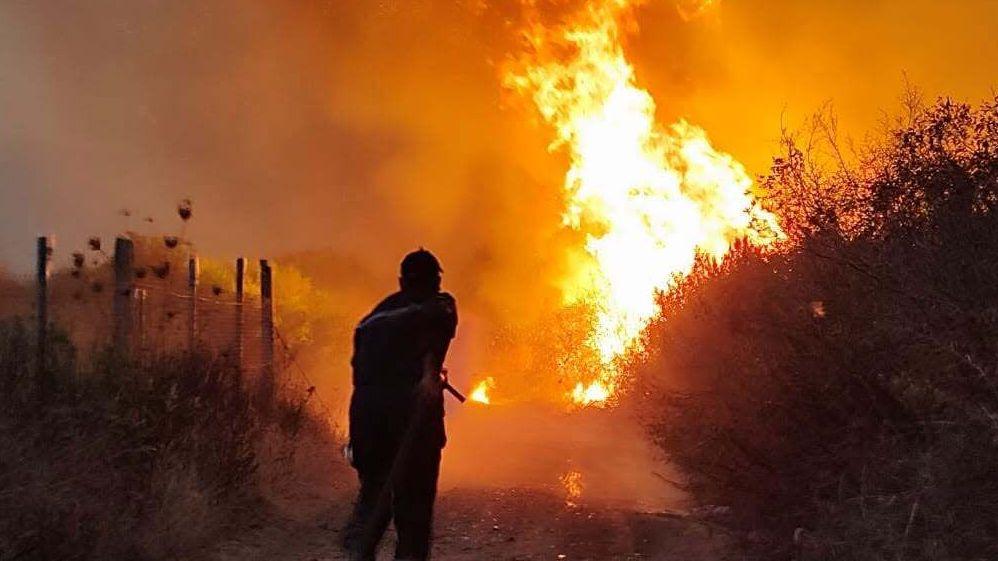
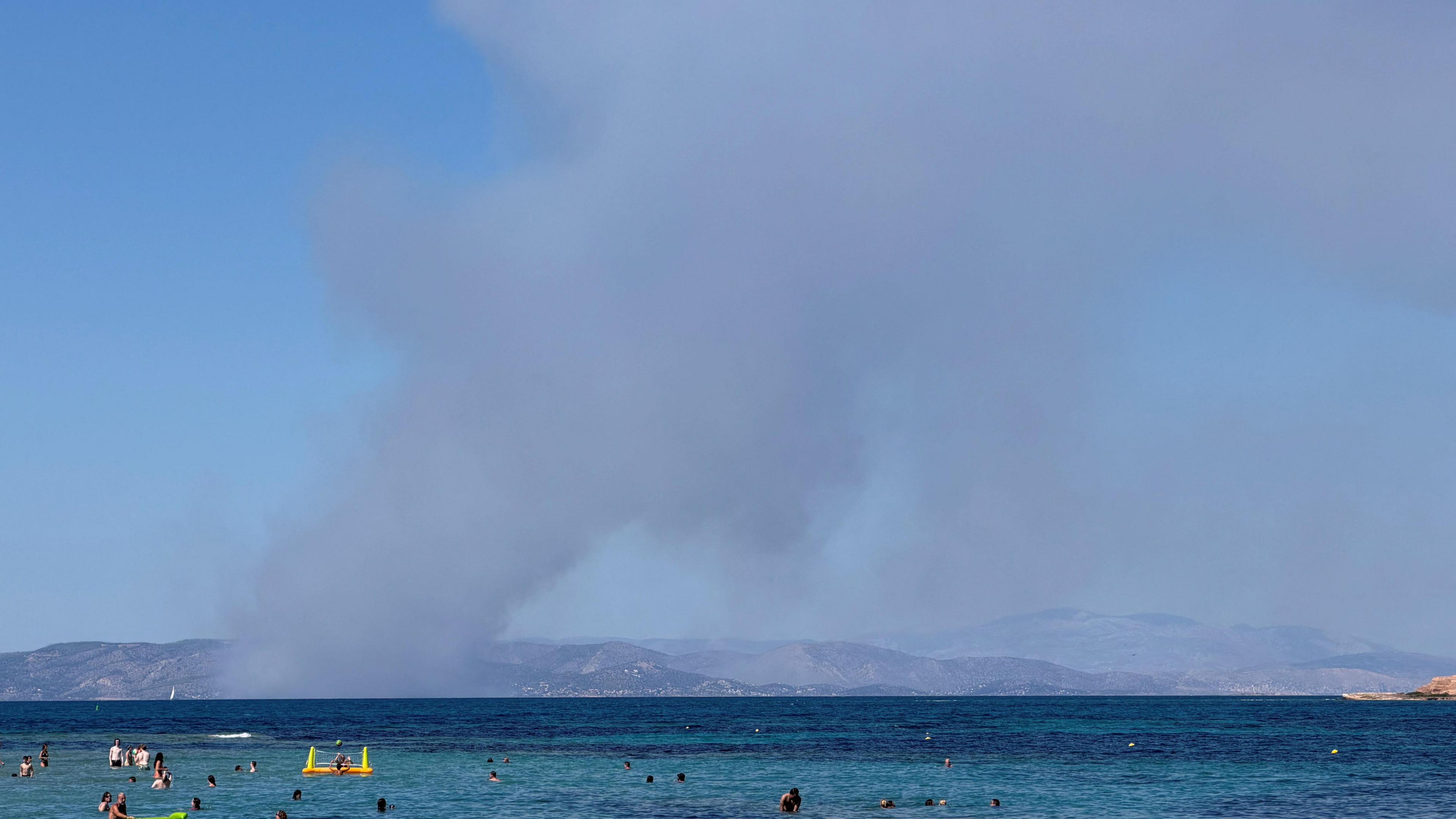
Two residents were killed when lightning‑borne flames erupted on the island of Salamina near Athens, prompting a mass evacuation that has so far seen 90 people rescued by sea.
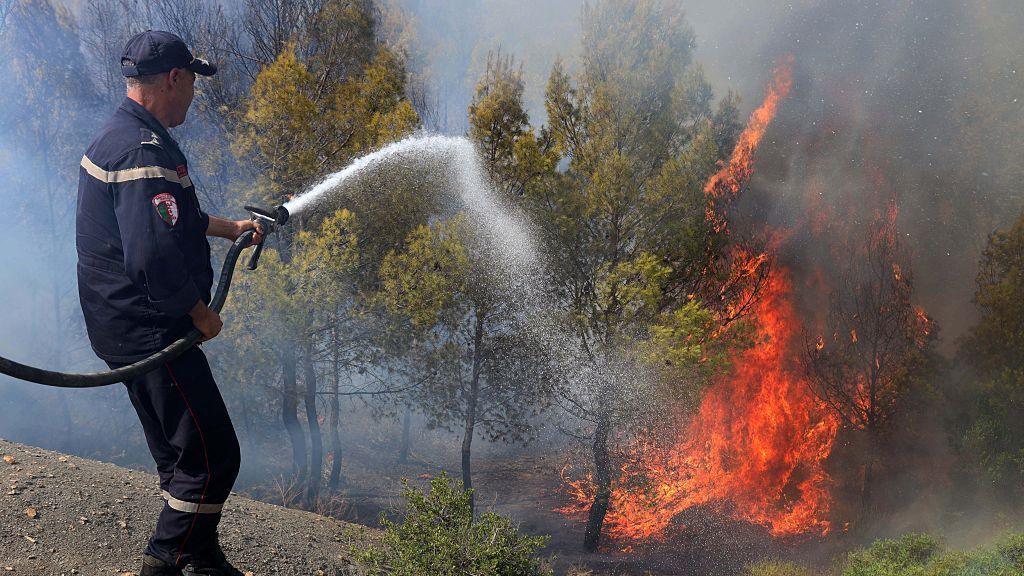
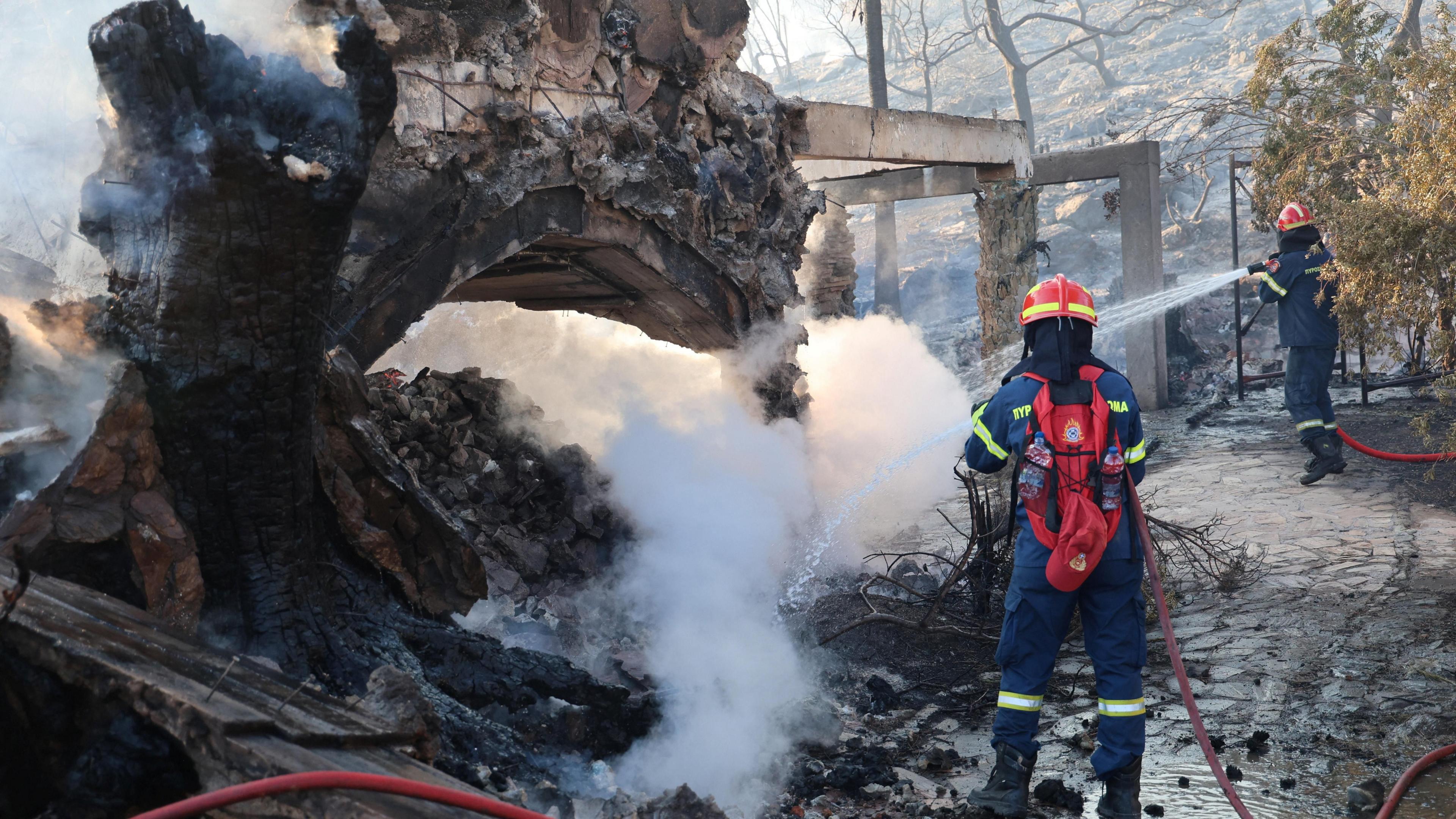
Firefighters say the first blaze broke out at 14:40 local time and spread rapidly, aided by gale‑force winds and a tinder‑dry landscape that had been marked for high wildfire risk. With more than 200 firefighters and 50 engines on the island, crews fought to keep the two fires separate before they could merge into a single, larger inferno.
The island itself is home to roughly 37,000 people, a large proportion of whom are older adults. According to Deputy Mayor Thodoris Zannis, the firefighters’ priority is to prevent the flames from sweeping up the island’s central mountain and creating a single catastrophic blaze.
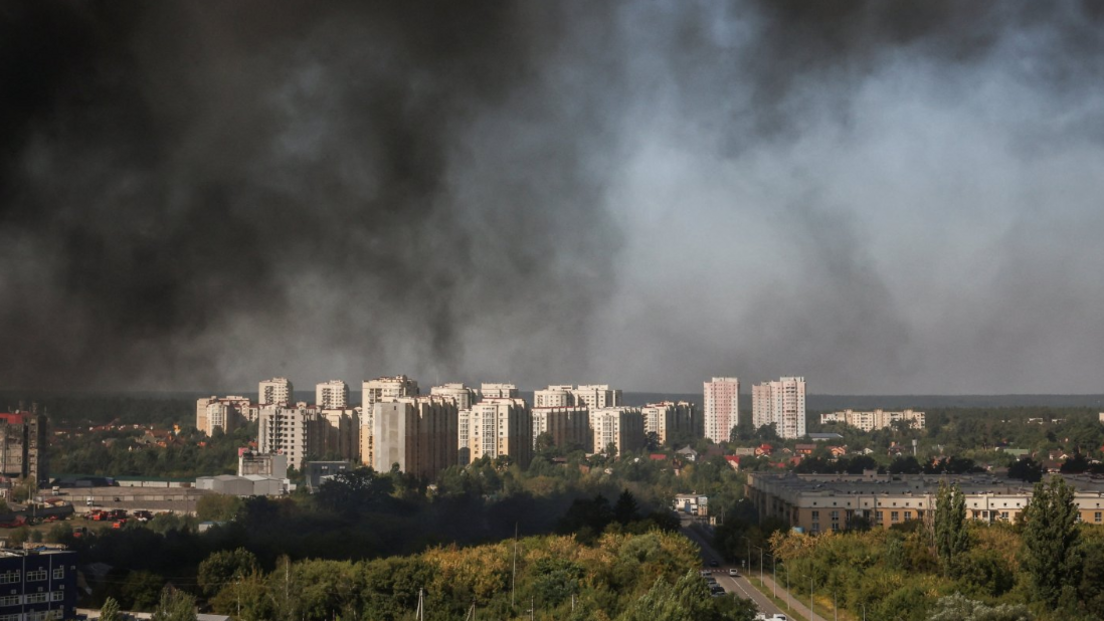
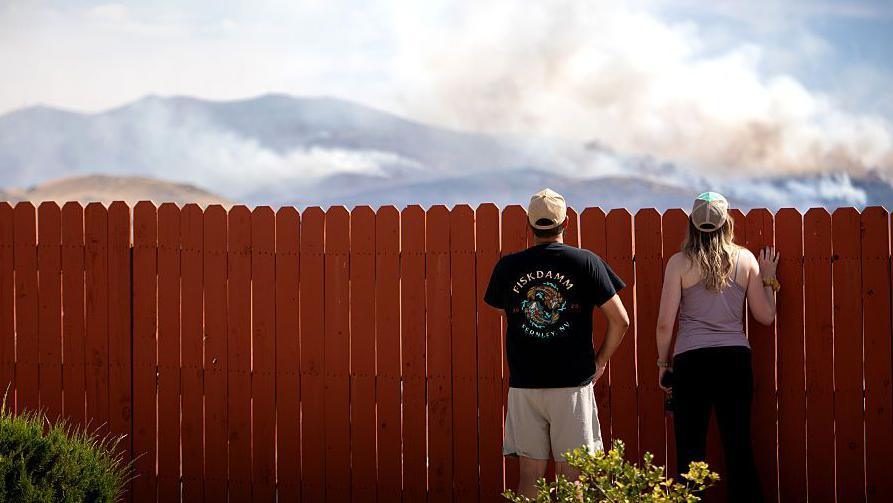
Across Europe, the weekend saw a series of fire outbreaks that fed on the region’s unusually hot temperatures and dry vegetation, underscoring the climate intensification of wildfire risk. Greece’s Department of Civil Protection is optimistic that the combined efforts of state and private vessels, air support and ground crews will bring the fires under control.
Yet as the fires consume vegetation, they release significant carbon dioxide, amplifying the very disaster they cause. Experts warn that the frequency of such events is rapidly rising with global warming and that adaptation measures, such as community fire‑wise planning and reducing flammable fuels, are urgently needed.
With each evacuation and emergency response, Greece shows the resilience of its communities but also the limits of current fire‑management practices in an era of accelerating climate extremes. The Salamina fires thus serve as a stark reminder that protecting vulnerable populations requires not only emergency readiness but also long‑term climate adaptation strategies.