In brief
An American hiker lost his life after being struck by lightning on Sicily’s Mount Etna, a volcano that has been erupting more frequently in recent weeks. The incident highlights the complex risk of weather, volcanic ash and sudden storms that become widespread as climate patterns shift. Thousands of visitors are drawn to Etna’s active slopes while authorities increasingly restrict access to higher zones for safety. The tragedy signals a growing need for real‑time monitoring and improved safety protocols for adventure tourism in volatile environments.
On Sunday a 30‑year‑old U.S. tourist died after a thunderstorm struck the active volcano Mount Etna in Sicily. The man was found in cardiac arrest by firefighters and was flown to Catania Hospital, where he was declared dead upon arrival.
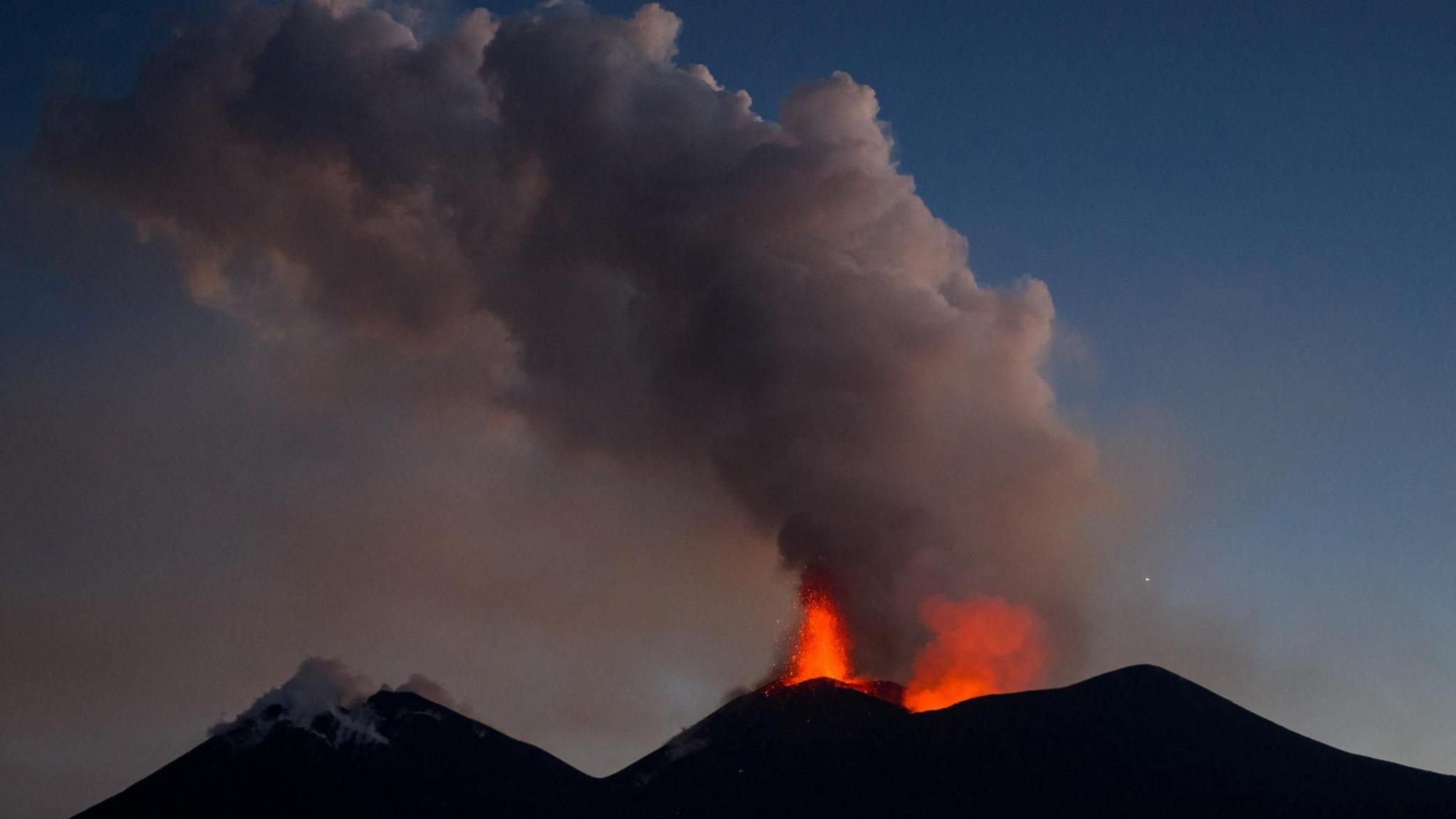
Etna, Europe’s most active volcano, has seen a series of eruptions that have attracted tourists despite the dangers. Atmospheric ash has clouded the eastern Sicilian skies, disrupted flights, and forced aviation authorities to downgrade a red alert to orange.
The dense ash plume combined with sudden weather changes creates hazardous conditions in the upper slopes, where there is little shelter above the tree line. Italy’s civil protection agency warns that volcanic activity and rapid weather shifts can compound risks for hikers and climbers.
Safety calls for real‑time monitoring of seismic activity, weather patterns, and ash levels. For adventure tourists, proper gear, up‑to‑date forecasts and guidance from local authorities are essential to keep pace with the dynamic environment that climate change is intensifying.
With roughly 1.5 million people visiting Etna each year, this tragedy underscores the urgent need for integrated climate‑risk assessment and resilience strategies in the tourism sector.