In brief
In a rare social media post, Obama highlighted Harvard's commitment to academic freedom amid Trump's $2 billion funding freeze, calling it “unlawful” and urging other universities to follow suit against governmental pressure.
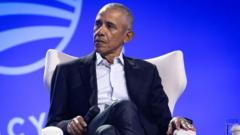
Former President Barack Obama took a stand for academic freedom this week, voicing his support for Harvard University after it resisted pressure from the Trump administration to alter its policies. The administration's decision to freeze over $2 billion in federal funding stems from grievances surrounding the university's hiring, admissions, and teaching practices, which it claims are linked to combating antisemitism on campus.As a Harvard alumnus, Obama expressed his disappointment with the administration's tactics, describing the funding freeze as "unlawful and ham-handed." He commended Harvard for its courage and called upon other educational institutions to reject similar attempts at governmental overreach. In a social media message, Obama wrote, "Harvard has set an example for other higher-ed institutions – rejecting an unlawful and ham-handed attempt to stifle academic freedom."Since leaving office, Obama has largely remained silent on political matters, focusing instead on personal messages and non-political themes. However, this recent criticism comes amidst a growing wave of support for Harvard from other prestigious universities. Notably, hundreds of faculty members at Yale University rallied behind Harvard’s decision, emphasizing that American universities are facing unprecedented attacks that could undermine the core tenets of democracy, such as free expression and academic independence.The Trump administration's direct intervention in the operations of universities has raised concerns across the academic community. As additional institutions grapple with the ramifications of funding suspensions, elite universities like Stanford University have implemented hiring freezes and budget cuts in response to the diminishing federal support, further stoking fears about the implications for research and education.Harvard's president, Alan Garber, firmly stated, “No government – regardless of which party is in power – should dictate what private universities can teach, whom they can admit and hire, and which areas of study and inquiry they can pursue.” This resistance was echoed by the Massachusetts Institute of Technology (MIT), which also declined to adhere to the Trump administration's demands.In a further escalation, Trump has threatened to revoke Harvard's tax-exempt status, a status that provides significant financial benefits. These developments mark an intense moment in the ongoing debate over the relationship between government and education, as universities seek to navigate the delicate balance between achieving funding and maintaining their academic integrity in a politically charged environment.