In brief
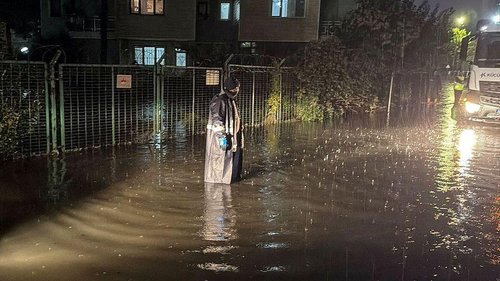
The first day of 2026 marked significant weather extremes across the U.S., including rain in Southern California during the Rose Parade and snow storms in the Northeast and Midwest. Flood warnings and evacuations were issued as the south celebrated in soggy conditions, while frigid temperatures gripped the northeastern states.
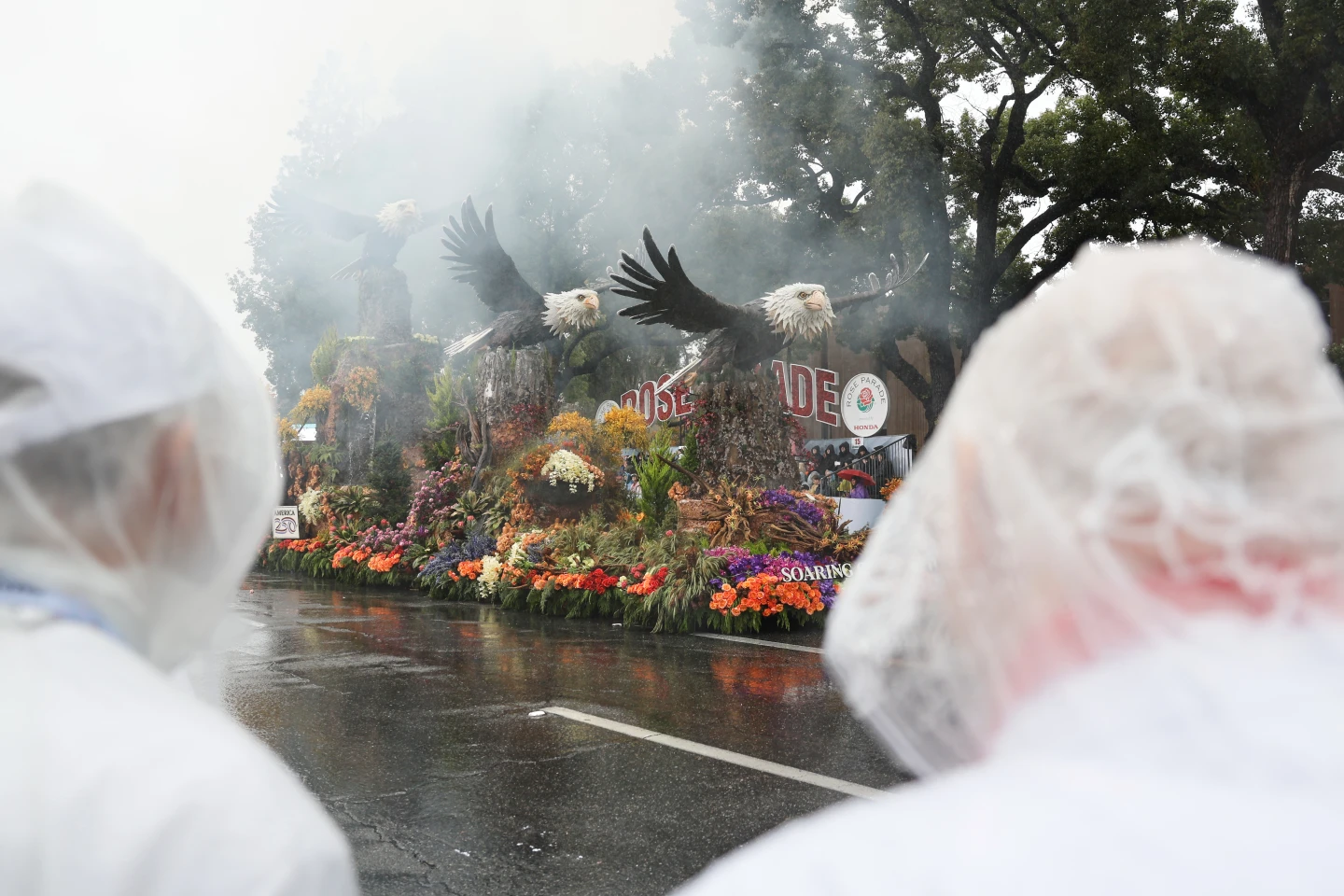
As the calendar turned to 2026, so too did the weather patterns across the United States, with areas experiencing unprecedented weather extremes. This New Year's Day was particularly notable for Southern California, where rain poured down during the iconic Rose Parade for the first time in 20 years, forcing a slight adjustment for the event's organizers.
In the picturesque city of Pasadena, marching bands, vibrant floats, and a sea of spectators were drenched by one to two inches of rainfall, with temperatures dropping to a chilly 58 degrees Fahrenheit by the parade's start time. Flood watches were issued statewide as Californians braced for a damp celebration.
Conversely, New York City prepared for a starkly different experience as Mayor Zohran Mamdani hosted his inaugural celebration amidst freezing temperatures. The ambiance shifted from festive revelry to bitter cold, with conditions impacting travel, causing significant flight delays out of major airports.
As if that wasn't enough, concerns loomed over regions still recovering from last year's devastating wildfires, with evacuation orders surfacing in affected areas. Meanwhile, additional weather disturbances in the Midwest caused snow squalls and high winds, bringing chaos to travel routes and local festivities.
In summary, this year's transition into 2026 has been marked not only by celebrations but by the harsh realities of climate-induced weather patterns and their impacts on communities across the nation. Such events serve as a stark reminder of the pressing need for sustainable climate action as we turn the page on another year.