Something in Europe has snapped.
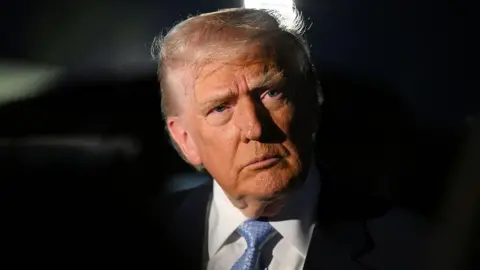
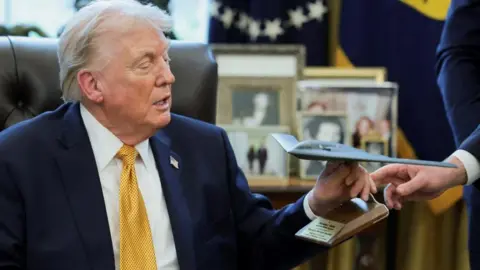
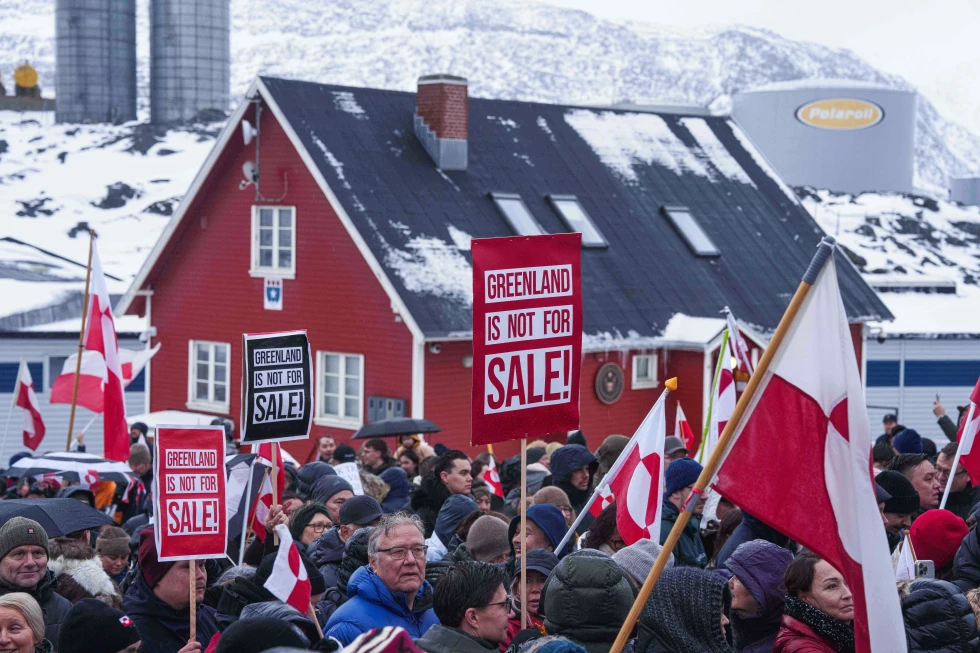
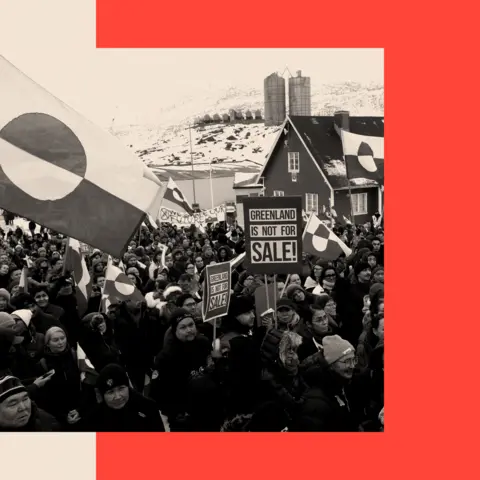
Donald Trump doubled down again on Monday night in his insistence that the US 'has to have' Greenland for national security reasons. He predicted that Europe's leaders aren't 'gonna push back too much.' However, that is not the plan they have when crossing paths with the US president at the World Economic Forum (WEF) this Wednesday.
Greenland is a semi-autonomous territory of Denmark, a member of the EU and of NATO. Trump is now leaning heavily on Denmark's allies in both those organisations to abandon Copenhagen and let the US take control of Greenland or face punitive taxes on all their exports to the United States.
This scenario terrifies European economies already struggling, particularly for those relying on exports to the US like Germany's car industry and Italy's luxury goods market.
Germany's finance minister stated, 'we will not allow ourselves to be blackmailed,' after an emergency meeting ahead of the WEF with his French counterpart. Trump's threats landed hard on European governments, who had only resolved tariff deals with him last year.
European leaders intend to approach Trump at the WEF, employing a cautious yet powerful stance—as suggested by historical precedent. They aim to reassure him that they will support Arctic security priorities, indicating that he need not act unilaterally over Greenland.
The EU has considered imposing €93 billion in tariffs on US goods and potentially restricting access of American businesses to the EU's massive single market if Trump proceeds with his 'Greenland tariffs.' Such retaliatory measures would have far-reaching effects on US consumers and risk translating to job losses in the US due to decreased demand from Europe, which employs 3.4 million Americans.
Evidently, the US's role in global security and the intertwined nature of transatlantic economic relations complicate Europe's response. While European leaders are eager to stand firm against Trump's aggressive rhetoric, concerns arise about their dependency on US defense and the need to maintain strong diplomatic ties.
During discussions, EU officials, reflecting the shifting dynamics, have stated, 'We have no interest to pick a fight, but we will hold our ground' to demonstrate resolve in the face of Trump's challenges.
In summary, while transatlantic relations face strain, they are not irreparably damaged. The future of negotiations hinges on Europe's ability to unify and respond cohesively in the midst of an unpredictable geopolitical landscape.}