In brief
Residents of West Virginia are facing an unprecedented surge in electricity bills, with many seeing charges that exceed their incomes. Fixed-income families like those of Rebecca Michalski and Ashley Nicole Dixon are caught in a crisis as they choose between basic necessities and utility payments. Calls for accountability and solutions are intensifying amidst promises from political leaders. The situation highlights larger issues regarding energy dependence and economic disparities in the state, where coal remains an economic pillar yet burdens residents with high costs.
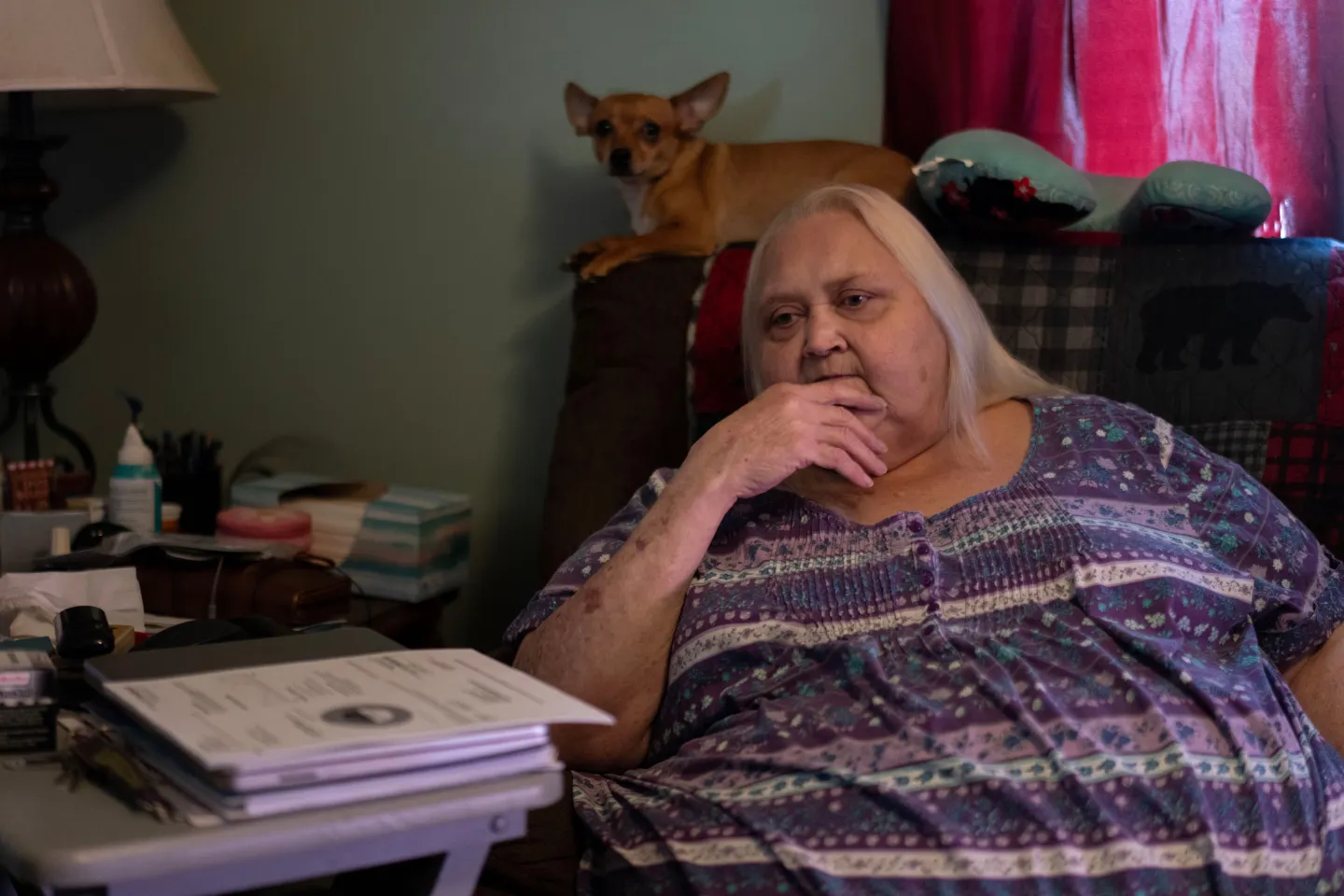
In the small town of Rainelle, West Virginia, resident Rebecca Michalski faces a grim reality each month as she opens her electric bill. Charged almost $940.08 in February alone, more than her monthly income, she finds herself trapped in a cycle of debt, struggling to keep up with exorbitant energy costs that are now surpassing everyday necessities.
Despite implementing strict energy-saving measures, including turning off lights during the day and relying on a single lamp at night, her costs continue to climb. Every time you see that power bill, you’re just sick, Michalski laments, reflecting the sentiments of many in the community who are similarly bewildered and frustrated.
Thousands of West Virginians have taken to social media to voice their dissatisfaction, posting screenshots of their soaring utility charges as they demand explanations and relief from local leaders. Many families are now forced to choose between heating their homes and buying food, a harrowing decision exacerbated by biting winter temperatures.
Political figures, including President Trump, have promised energy relief, colloquially pledging to halve electricity bills. However, instead of relief, residents experienced a 4.8% rise in electricity rates in February. The continuing increase in energy prices is a pressing issue as households face the winter's brutal cold and rising costs of living while grappling with stagnant wages.
Amidst the cold, families like those of Ashley Nicole Dixon share similar struggles. Despite being employed and raising children, utility bills have pushed their finances to breaking points. It’s breaking me, she articulates, underscoring a broader narrative of broken promises and economic hardship in this once-thriving energy state.
Increased energy demands, extreme weather events, and the pursuit of alternative energy sources play a major role in these rising costs. The state's reliance on coal—87% of West Virginia's energy comes from coal-fired plants—contrasts sharply with the call for a transition to cleaner energy, leaving many without viable alternatives for lower energy costs.
Residents call for political accountability, advocating for policy changes to address the soaring costs of essential utilities. As bills continue to strain budgets, the hope remains that legislative measures can bring much-needed relief to the people of West Virginia.