In brief
When Donald Trump announced an energy ceasefire, Russian forces struck six Ukrainian power and gas sites, leading to blackouts and 33 injuries. President Zelensky accused Moscow of violating the truce, while Ukrenergo reported new power cuts in Kharkiv, Donetsk and Zaporizhzhia. These incidents come amid a broader surge in energy attacks on both sides as winter approaches, threatening national grids and global markets. International leaders responded with mixed support, highlighting doubts about the ceasefire’s durability and the vulnerability of critical infrastructure.
Cycling Through Conflict: Energy Ceasefire Collides with Russian Attacks
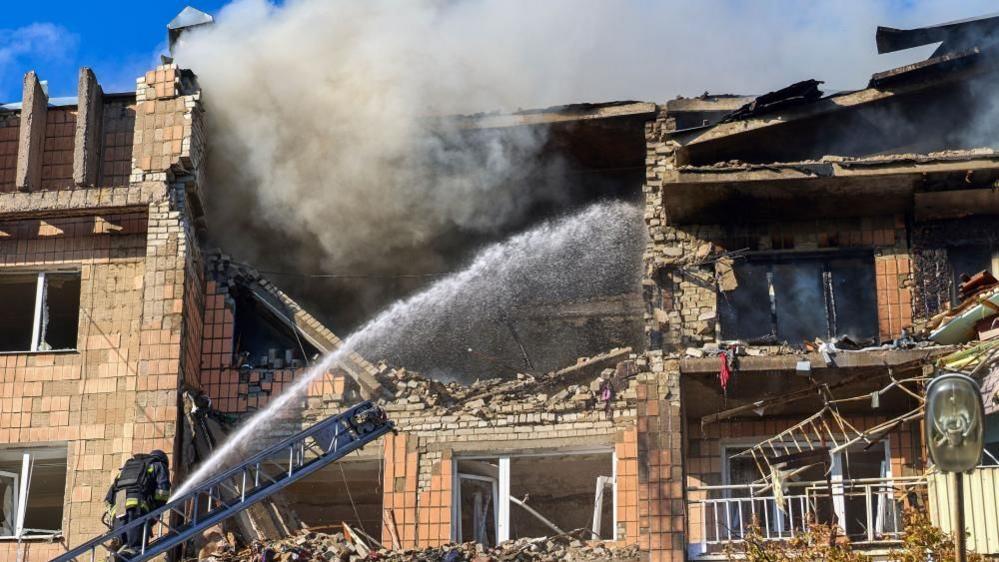
U.S. President Donald Trump announced that Russia and Ukraine would halt attacks on energy infrastructure, a move he said would help stop the war’s spiraling costs. Within hours, Russian forces struck six Ukrainian power and gas facilities, according to President Volodymyr Zelensky, causing blackouts in Izyum and damage in the east. The assaults prompted Zelensky to confirm 33 casualties and accuse Moscow of “unwillingness” to honour the ceasefire.
Energy networks in Kharkiv, Donetsk and Zaporizhzhia suffered “new power cuts” following the strikes, with Ukrenergo scrambling to ration electricity to prevent overload. Ukrainian officials say the attacks demonstrate Russia’s commitment to violating the truce, while international leaders have offered mixed support for the energy pause.
The clashes highlight a broader pattern: both sides have increased energy‑related strikes as winter approaches, with data showing more than double the number of Russian attacks on Ukrainian infrastructure this year compared to 2025. The conflict’s toll on energy supplies threatens not only national grids but global markets, as the U.S. now contemplates lifting sanctions on diesel exports to alleviate shortages.
As the war drags on, the world watches a fragile energy ceasefire whose endurance remains doubtful, raising urgent questions about protecting critical infrastructure and mitigating climate damage caused by conflict‑driven energy disruptions.