In brief
Following nearly a month on strike, nurses from Montefiore and Mount Sinai hospitals have negotiated a tentative deal focusing on improved pay and workplace conditions. With a proposal for a 12% raise and protections against workplace violence, the agreement's ratification vote is set for this week, as the strike continues at NewYork-Presbyterian.
NEW YORK (Echosphere News) — Nurses and two major hospital systems in New York City have come to an agreement to resolve a nearly month-long strike focused on staffing levels, workplace safety, health insurance, and other pressing issues.
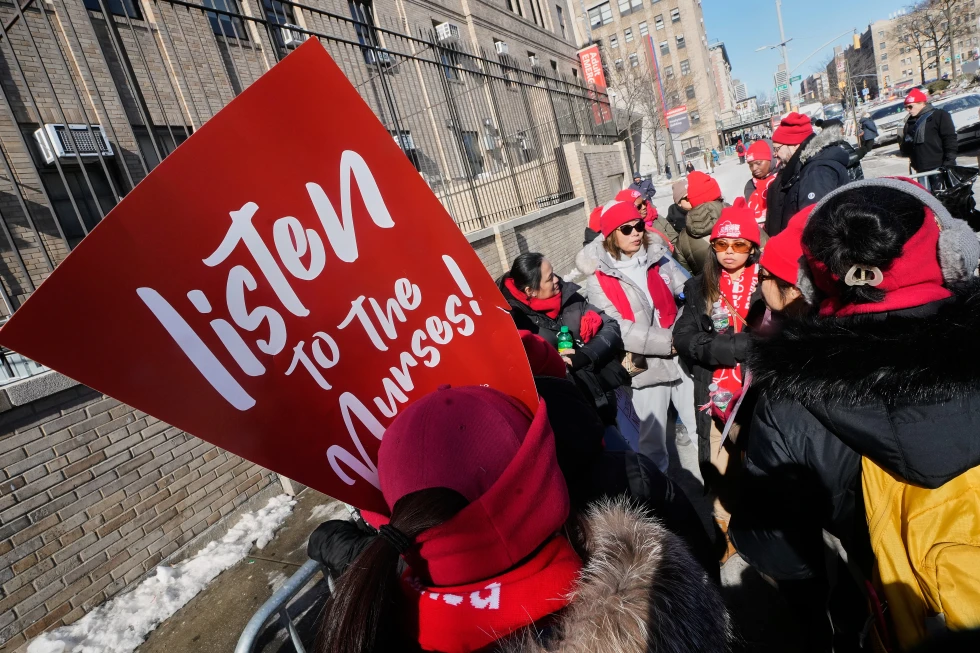
The tentative agreement, announced on Monday by the nurses' union, involves the Montefiore and Mount Sinai hospital systems, although nurses continue to strike at NewYork Presbyterian. The strike, which began on January 12, led to hospitals scrambling to hire a significant number of temporary nurses to manage an intense flu season.
This three-year deal potentially impacts approximately 10,500 of the 15,000 nurses on strike at several of the city's major private, non-profit hospitals.
Nancy Hagans, president of the New York State Nurses Association, expressed pride in the nurses’ efforts: For four weeks, nearly 15,000 NYSNA members held the line in the cold and snow for safe patient care. Now, nurses at Montefiore and Mount Sinai are heading back to the bedside with our heads held high.
Should the agreement be ratified, it includes provisions for a 12% pay increase over the contract's duration, as well as the preservation of health benefits without additional out-of-pocket expenses.
Additionally, the proposed pact encompasses new protections against workplace violence, focusing on the safety of transgender and immigrant nurses and patients, along with provisions addressing the implications of artificial intelligence in healthcare settings. Nurses at Montefiore and Mount Sinai are set to vote on ratifying these contracts later this week.
NewYork-Presbyterian has separately agreed to proposals from mediators that include pay raises and enhanced staffing levels, yet the nurses' strike remains in effect at their facilities.
The negotiations highlight ongoing tensions between nurses and hospital management concerning wages, benefits, and overall working conditions. With the industry averaging nurse salaries of $162,000 to $165,000, the demands have raised questions about equity and compensation amidst a landscape where top executives earn significantly more.
As the situation evolves, the implications for patient care and staffing levels across New York City's healthcare system remain in close watch.