In brief
The Youth Olympic Games have taken a historic turn as Dakar, Senegal, hosted them for the first time in Africa, offering a 15‑day sporting spectacle from 31 October to 13 November. Roughly 2,700 young athletes will compete across 25 sports, including new additions like Baseball5, Skateboarding, and Wushu Taolu, while 10 engagement sports invite local participation. The event promises economic and social benefits—creating jobs, promoting tourism, and supplying training for thousands of volunteers—rooted in a legacy‑first mindset. Beyond competition, the Games celebrate Senegalese and African culture through its lion mascot, the ‘Teranga’ theme, and a tour of the Olympic flame that linked 14 regions across the country.
When the Olympic rings rang on 31 October, the world watched Africa light a new chapter in its sporting history. For the first time on the continent, Senegal’s capital Dakar will host the Youth Olympic Games, inviting 2,700 competitors aged 15‑17 to battle across 25 sports in a 15‑day festival that runs until 13 November.
What Are the Youth Olympics?
The International Olympic Committee (IOC) curates the Youth Olympics for athletes mostly between 15 and 17 years old. It mirrors the senior Games with a focus on inspiring young people, promoting Olympic values, and encouraging sport as a vehicle for peace and solidarity. While the first edition ran in Singapore in 2010, each iteration has introduced new disciplines, mixed‑gender events and cultural exchanges that broaden participation.
Why Is It Big News for Africa?
Africa’s sporting fanbase is huge and the Games bring Olympic branding—heralded by IOC official Christophe Dubi—to the continent for the first time. Organisers pledge opportunities for local volunteers, job creation, tourism, and skills training, with over 400 young Africans already trained in logistics, technology, and sports operations. The event is seen as a catalyst for addressing youth unemployment and demonstrating that Africa can host world‑class sporting events sustainably.
Sports Set for the Games
Of the 25 competition sports, 19—Athletics, Swimming, Breaking, Skateboarding, and more—were on the Paris 2024 roster. Debut sports include Baseball5, a minimalist variant of baseball; Wushu Taolu, a choreographed Chinese martial art; and beach wrestling. Engagement sports such as Golf, Karate and Surfing will be free for local participants. The Games will also showcase 10 events aimed at achieving gender equality for the first time.
Where Will It Happen?
Senegal’s networks of venues will be refreshed instead of reordered. Dakar’s Iba Mar Diop complex hosts Athletics, Rugby Sevens and Futsal, while the Tour de l’Oeuf by the waterfront will stage Swimming, 3×3 Basketball, Breaking, Skateboarding and Baseball5. The new city of Diamniadio, south‑east of Dakar, will serve as the operational hub, housing the opening ceremony at Abdoulaye Wade Stadium and the Archery competition.
Saly, on the Atlantic coast, provides a stage for sailing, triathlon, beach handball, and coast‑based rowing. The complex strategy ensures that after the Games, venues remain useful for the community, supporting long‑term sports development.
Culture Behind the Games
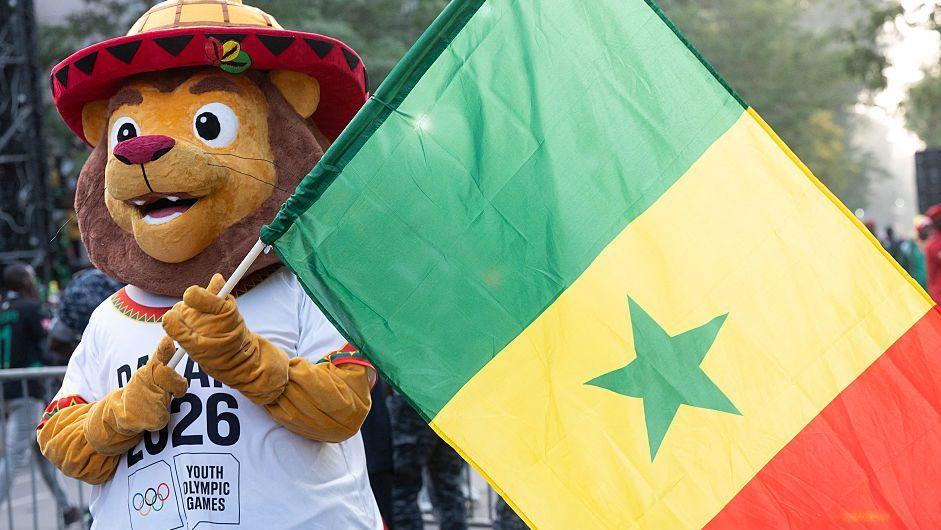
Senegaline the Games with cultural depth. The lion mascot, Ayo, was conceived by a student and names from the Yoruba word for joy. Medals highlight a lion and a baobab, symbols of resilience and longevity. The official anthem, ‘Teranga’, meaning hospitality, is performed by Mamy Mbaye, and the athletes’ village offers drumming and dance lessons in sabar and djembe. The 3,600‑km journey of the Olympic flame touched 14 regions, carrying the spirit of unity across Senegal.
How Much Is It Costing?
Although exact figures remain undisclosed, Senegal’s government committed to spend at least $60 million (about £44.8 million) on the Games, with loans reaching an estimated $90 million (≈£67.2 million) for long‑term infrastructure. The Abdoulaye Wade Stadium, Ayo’s grandhome, opened in 2022 at a reported $270 million cost. The event’s true legacy will be assessed post‑Games, but organisers emphasise the broader impact of sporting development and cultural pride.
Legacy and Future Impact
Beyond the medals, Dakar 2026 aims to leave a footprint—remaining sports venues, motivated youth, and a narrative of African excellence at an Olympic level. As the first Olympic rings to land on African soil, the Games invite the world to witness the continent’s rich culture through a new lens. The expected outcome is a richer sporting heritage that may inspire future generations to become champions, both on and off the field.