In brief
Despite numerous alerts regarding the Alau dam's precarious state, Nigerian officials dismissed concerns leading to tragic consequences after its collapse. Blaming external factors post-disaster highlights a systemic failure to prioritize infrastructure safety.
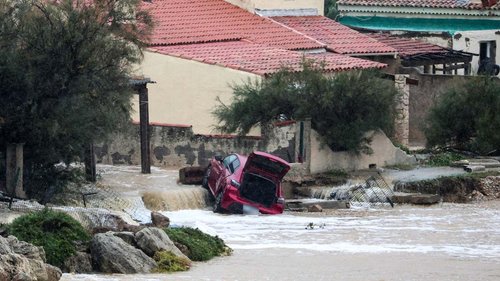
The Alau dam disaster in northeastern Nigeria serves as a stark reminder of the perils of governmental negligence in the face of climate change and infrastructure decay. In early September, following heavy rains, officials reassured residents that the dam was safe, despite being warned by local villagers and engineers about its deteriorating condition for years. Four days later, the dam breached, submerging two-thirds of Maiduguri and resulting in approximately 1,000 deaths along with displacing nearly half a million people.In the aftermath, officials shifted responsibility, attributing the calamity to divine intervention, climate change, and the economic situations of those affected, claiming they chose to live in vulnerable areas. However, evidence shows that government agencies were aware of the dam's risks and failed to act on multiple warnings for necessary repairs and better operational management.This tragic event highlights the urgent need for accountability and proactive action in maintaining essential infrastructure, especially in communities vulnerable to climate-related disasters. With proper attention and resources, many lives could have been saved, underscoring a pressing call for governmental reform and improved disaster preparedness in Nigeria.