In brief
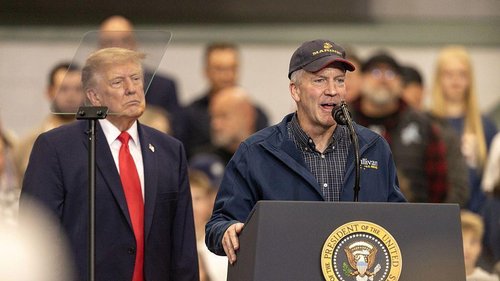
In a keynote address at the Heartland Institute's conference, EPA Administrator Lee Zeldin cheered the repeal of the 2009 endangerment finding, a significant element for regulating emissions. Environmentalists condemned this move as part of a larger agenda undermining climate action amidst increasing extreme weather events. Zeldin argued that the repeal corrects perceived past misconceptions about climate risks, igniting backlash from scientists and environmental groups.
WASHINGTON (AP) — The Administrator of the Environmental Protection Agency (EPA), Lee Zeldin, defended his controversial decision on Wednesday to rescind the 2009 endangerment finding — the scientific basis for federal climate regulations — during a keynote speech at the Heartland Institute's conference, a group skeptical of mainstream climate science. He urged attendees to 'celebrate vindication,' stating this change overturned years of liberal policies regarding climate action. Zeldin asserted that the previous administrations had twisted scientific data to classify greenhouse gas emissions as a public health threat, thus justifying the rollback of regulations meant to curb emissions from vehicles and power plants.Environmental advocacy groups responded vehemently against Zeldin's address. They highlighted the dangers linked to climate change, which manifest in more frequent and severe weather patterns, such as hurricanes and wildfires. Joe Bonfiglio of the Environmental Defense Fund criticized Zeldin's remarks as promoting misinformation, labeling the Heartland Institute a 'disinformation factory.' Meanwhile, Heartland's leadership praised Zeldin, heralding him as an exemplary EPA administrator. The repeal of the endangerment finding could pave the way for broader deregulations concerning emissions standards, with numerous states and environmental organizations preparing legal challenges against the EPA's decisions.