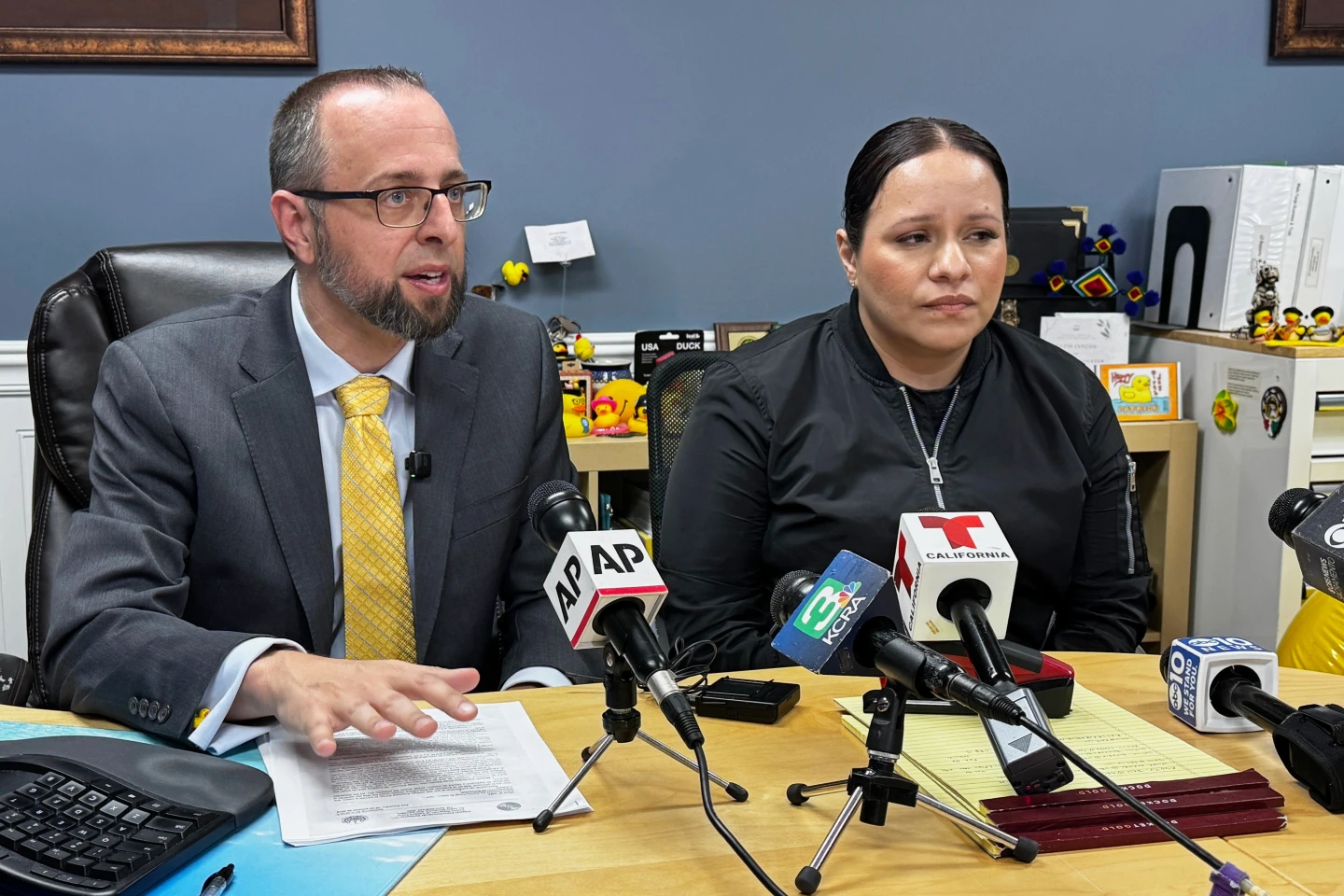
MODESTO, Calif. (AP) — An attorney for Carlos Ivan Mendoza Hernandez, who was shot by U.S. Immigration and Customs Enforcement (ICE) agents during an arrest in California, contested claims that his client tried to run over officers with his car. Mendoza’s attorney, Patrick Kolasinski, argued that accusations against him regarding an arrest warrant in El Salvador are unfounded.
The Department of Homeland Security (DHS) asserted that ICE agents fired shots following Mendoza’s alleged attempt to drive into them during a stop in Patterson, about 75 miles from San Francisco. The DHS described Mendoza, 36, as a suspected gang member wanted in El Salvador for questioning connected to a murder.
However, attorney Kolasinski stated that Mendoza has no criminal history in the U.S. and was acquitted of murder in El Salvador, disputing any gang affiliations. If he was released after being acquitted, with no other holds on him, he cannot have a warrant, Kolasinski said. That information must be either erroneous or completely made up.
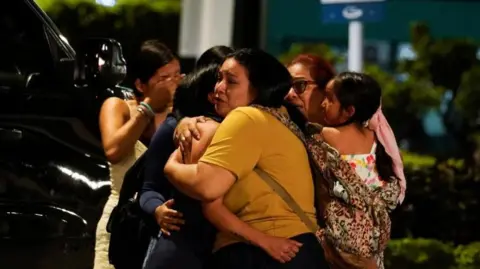
Mendoza's fiancée, Cindy, expressed her fears over the impact of the Trump administration's immigration policies on families like theirs, noting that Mendoza was stopped previously for minor traffic violations.
Dashcam footage from the incident shows Mendoza’s vehicle in motion as surroundings reacted with agents drawn and indicators of confrontation, yet the absence of sound leaves uncertainty over the context leading to the shooting.
Kolasinski emphasized that Mendoza complied to avoid run-ins with officers, while DHS confirmed that ICE's actions were per their training. The FBI is currently investigating the incident, which speaks to ongoing concerns over the aggressive tactics employed by immigration enforcement agencies.
As for Mendoza, who is a dual citizen of El Salvador and Mexico and came to the U.S. in 2019, his family has faced barriers in accessing him since his hospitalization. The uncertainties surrounding his status remain a focal point of distress for those close to him.
The stance of local law enforcement and the participation of federal bodies further complicate this case, amidst a backdrop of heightened scrutiny on immigration practices under the current administration.