In brief
The surge of public opposition to sprawling data‑center projects has become a key issue in the 2026 U.S. midterm elections. Politicians across the aisle are reevaluating legislation, slowly stepping in to regulate local approvals and pressure big‑tech firms. While data‑centres promise AI innovation, the energy demand, water use and wildfire risk they carry are spurring community organising that could tip electoral scales. In states like Arizona, Texas and Ohio, the debate has already prompted temporary shutdowns and new tax‑break moratoria, and federal lawmakers are forced to speak out on the environmental cost of the cloud. The outcome of these battles will not only influence election results but shape the nation’s climate‑adaptation strategy for years to come.
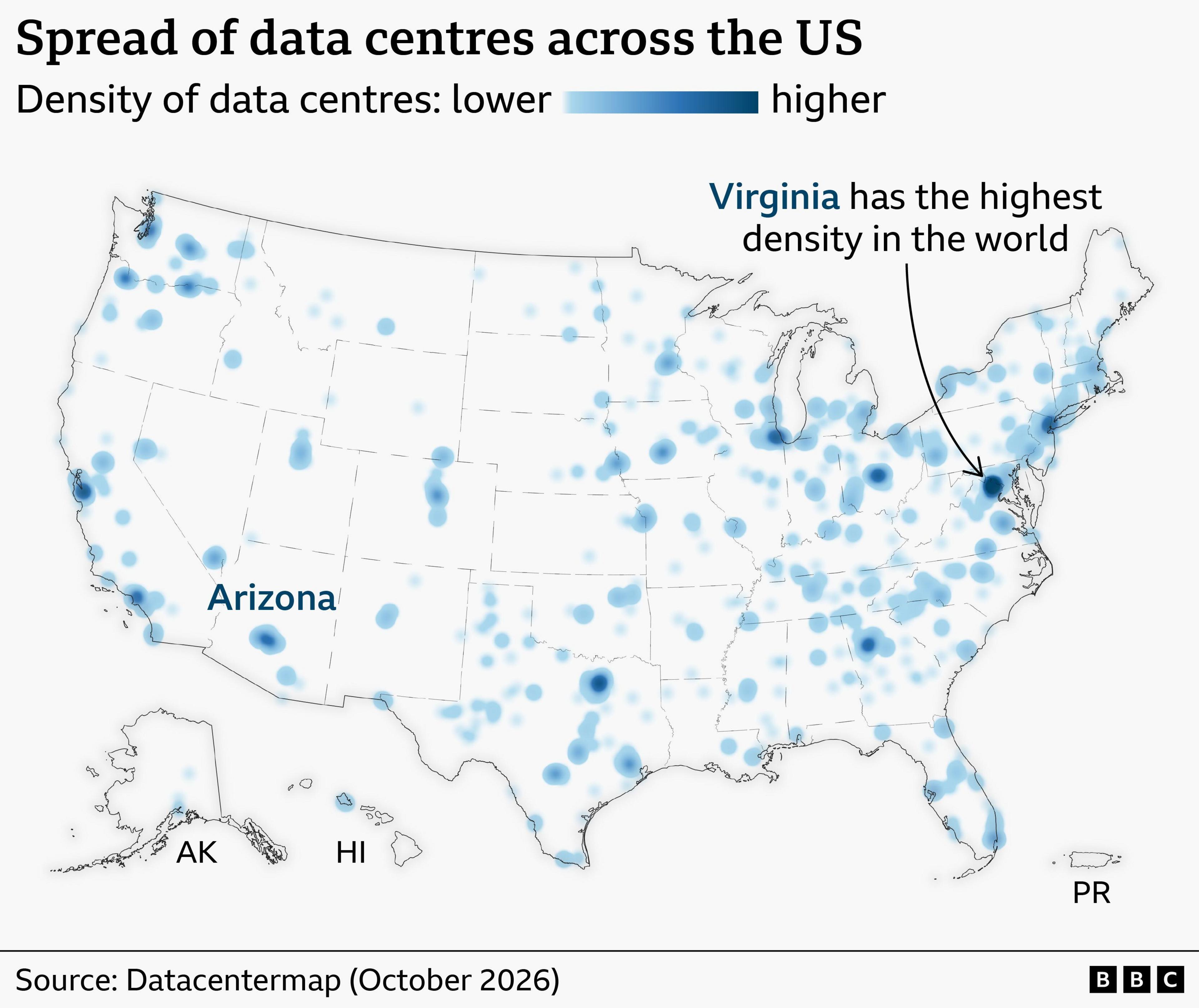
The rapid expansion of data‑centres – the massive warehouses of computer chips that power the internet and artificial intelligence – now sits on the political ballot in the U.S. 2026 midterm elections. Communities that once accepted large‑scale tech projects are raising alarms about the energy draw, water consumption and wildfire risk that new sites bring to local landscapes.
Senate dollars are turning to public concerns. A senior adviser to a U.S. senator, who could not be named, reports that the legislator now holds regular strategy sessions to monitor the environmental footprint of data‑centres and is drafting new laws to limit their unchecked growth. The issue has moved from technical regulation to an electoral imperative, with voter polls showing AI governance as a top concern alongside national security and economic stability.
Conservative politicians are no longer immune to the backlash. Former president Donald Trump branded the revolt a "sick conspiracy," yet his own base now ranks the problem high on the list of issues that could sway elections. The National Republican Senatorial Committee has even issued a memo urging candidates to reframe the narrative and emphasize local empowerment over corporate dominance.
The consequences are concrete. In Arizona, Governor Katie Hobbs has imposed a three‑year pause on tax breaks for new data‑centre projects. Texas, once hailed as the "epicentre of AI development," saw its Republican governor backtrack over safety and quality‑of‑life concerns. And in Ohio, a floor‑sweeping investigation of a proposed six square‑mile OpenAI‑Nvidia‑SB Energy complex has already spurred debate among voters and candidates alike.
Data‑centre developers claim they create jobs, yet Brookings research shows new sites generate only 100 to 200 local positions and have negligible wage impacts. The environmental costs – ranging from 1.3 GW of grid capacity in Texas alone to the need for 78 diesel generators in a single new Indiana facility – are reshaping the equilibrium between technological progress and ecological stewardship.
The response from community organisations is rapidly growing. According to Data Center Watch, groups opposed to data‑centres have doubled to more than 800 across almost every state. In Arizona, activist Stephanie Maldonado calls the opposition a "David and Goliath story," but as angry voices gather, the movement feels it can now influence policy meaningfully.
Beyond temporary moratoria, the challenge remains: will the political will to protect local ecosystems last once the bans expire, or will the cloud continue expanding unchecked? The immediate answer lies in the ballot boxes, where environmental votes may decide the trajectory of U.S. data‑centre regulation for decades to come.