In brief
The U.S. Food and Drug Administration has cleared Rasonque (daraxonrasib), a once‑daily oral regimen that nearly doubles survival time for pancreatic cancer sufferers. In a phase‑III trial, patients averaged 13.2 months versus 6.6 months on conventional chemotherapy. The drug specifically targets the KRAS mutation present in over 90% of pancreatic tumours, curbing cancer spread. Approval came six months early, reflecting extraordinary results in a high‑need field. Side effects were fewer than chemotherapy, offering a clearer path for patients and clinicians.
New Daily Pill Doubles Pancreatic Cancer Survival, Boosting Precision Medicine
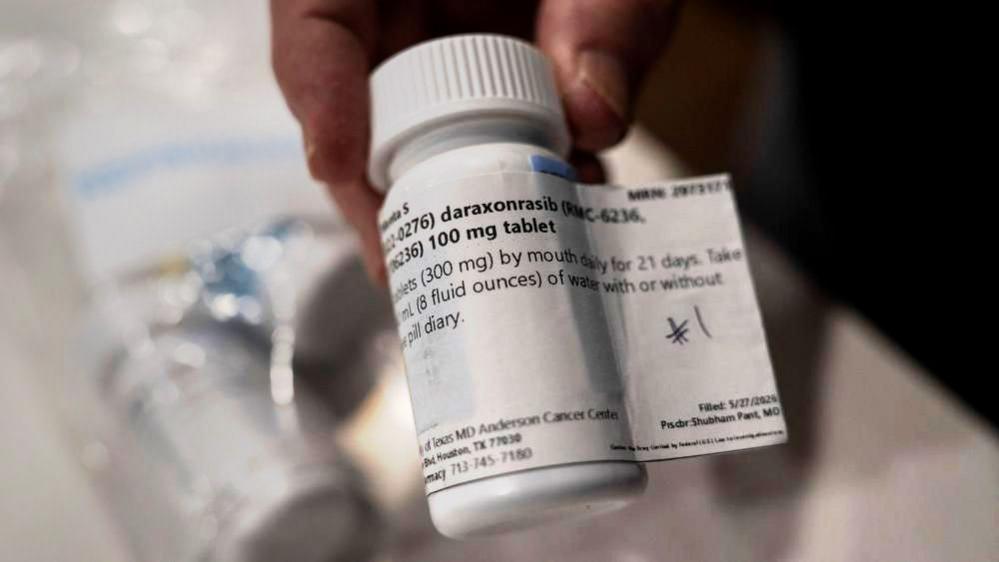
\The U.S. Food and Drug Administration has approved a once‑daily oral drug, daraxonrasib, sold as Rasonque, that can nearly double the overall survival time for patients with pancreatic cancer. The decision comes after a large‑scale phase‑III trial involving 500 patients showed a median survival of 13.2 months for those on the pill compared with 6.6 months for those receiving standard chemotherapy.
\Daraxonrasib blocks the mutated KRAS gene—present in more than 90 % of pancreatic tumours—that fuels uncontrolled cell growth, effectively halting disease progression. Because it targets a specific genetic driver, the treatment offers a “critical new option” for a disease that historically has been hard to manage.
\The FDA’s expedited approval was granted six months ahead of schedule after the drug achieved breakthrough therapy status in 2025. In the trial, severe side effects occurred in 44 % of patients on the drug, compared with 57.5 % among those on chemotherapy, indicating better tolerability.
\While not directly related to climate change, breakthroughs such as Rasonque illustrate how precision medicine—leveraging genetic insights—can improve quality of life and reduce the medical system’s carbon footprint by shortening hospital stays and cutting intensive treatments that consume large amounts of resources.
\For more details, visit the BBC News article.
\