In brief
Innovative research is paving the way for improved treatments of autoimmune diseases, including lupus, rheumatoid arthritis, and multiple sclerosis. Scientists are developing CAR-T therapies that reprogram parts of patients' immune systems to target rogue cells, as well as utilizing messenger RNA to create 'peacekeeper' cells. These methods aim to correct the root causes rather than just suppress symptoms, sparking enthusiasm about future clinical trials and potential breakthroughs in the treatment of these chronic conditions.
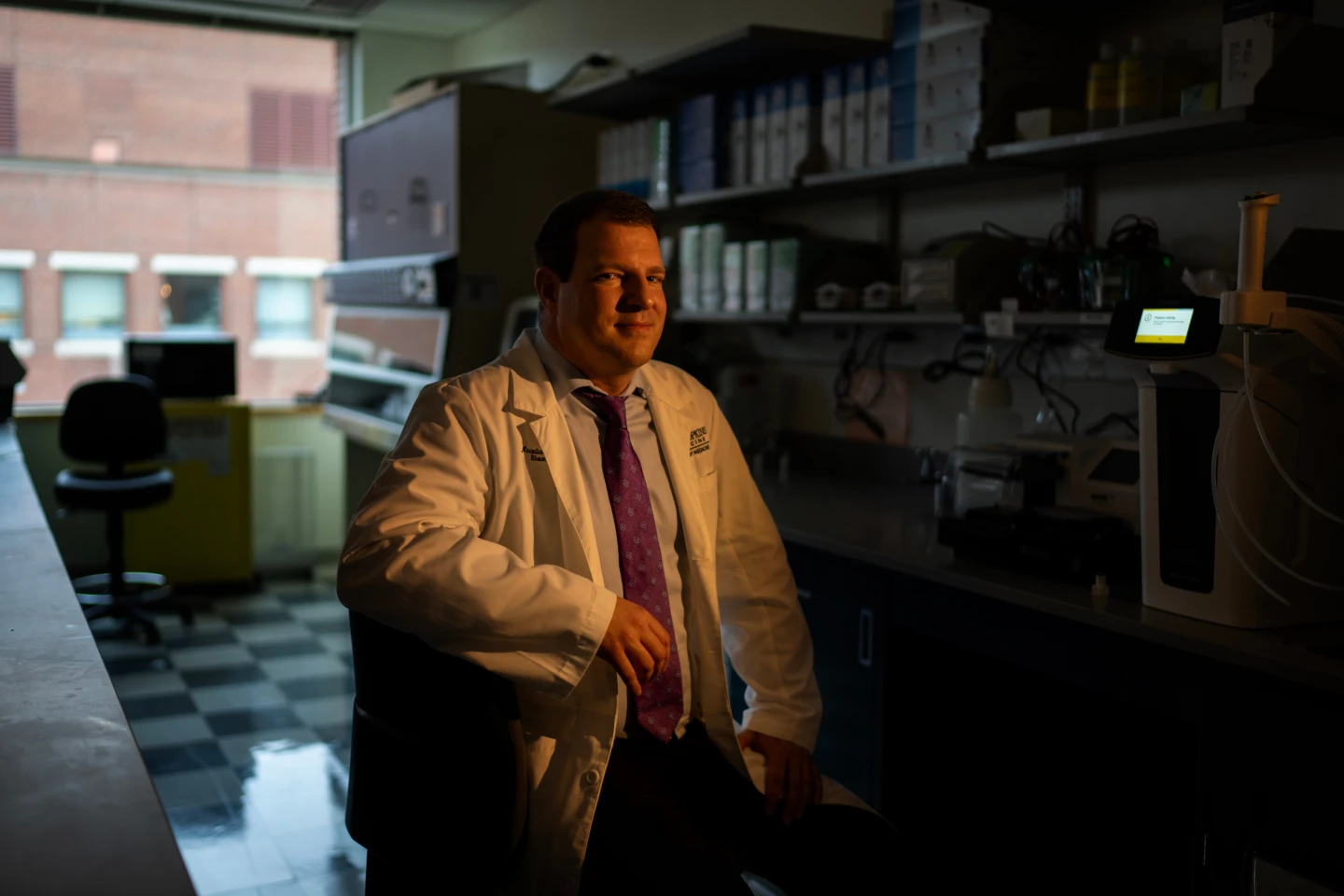
Recent advances in research are taking a revolutionary approach to treating autoimmune diseases by reprogramming the patients' immune systems rather than merely suppressing their overactive responses. Innovators like Dr. Maximilian Konig from Johns Hopkins University emphasize the potential of these new therapies to not only better control the conditions but also to achieve outcomes never accomplished before.
Conventional treatments often merely manage symptoms and come with significant side effects. Patients often endure a lifetime routine of medications that seldom keep their diseases fully in check. This context of struggle makes the exploration of new therapeutic strategies even more compelling.
Research teams are excited about therapies like CAR-T, which is adapted from cancer treatment methods and is currently being tested for various autoimmune disorders. For instance, researchers have observed remarkable improvements in patients who have gone through studies using CAR-T therapy, leading to remission without other medication.
Another pioneering approach involves the engineering of messenger RNA to instruct T cells to promote healing rather than harm. These treatments aim to target and eliminate only the harmful immune cells, allowing the remaining healthy cells to function correctly. As the promise of these methods unfolds, patient testimonials, such as that of Allie Rubin, highlight significant breakthroughs that could revolutionize autoimmune disease management.
With myriad clinical trials already on the horizon, researchers like Konig suspect that the next decade could dramatically alter the landscape of treatments available, moving toward possible cures. However, the journey is still in its infancy, and significant research remains to find effective and safe solutions for those affected by these complex diseases.