In brief
Expectant mothers in Cuba are under extraordinary strain due to a severe fuel blockade and frequent power outages. The crisis has increased challenges surrounding pregnancy and healthcare, leaving many feeling anxious about the future of their children in a nation facing significant socio-economic difficulties.
As fuel shortages bring chaos to daily life in Cuba, expectant mothers such as Mauren Echevarría Peña are caught in a crisis that threatens their health and that of their babies. Following a near-total fuel blockade initiated by U.S. sanctions, Mauren finds herself residing in a maternity hospital in Havana, facing complications from pregnancy amidst rolling blackouts that often leave the facilities without power.
‘I've had gestational diabetes and chronic hypertension,’ Mauren explains, revealing the stress of her medical condition alongside the anxiety over giving birth in a hospital where electricity availability is uncertain. She acknowledges, 'They have done everything they can for me at the hospital.' However, she also fears the implications of delivering her child during a power outage.
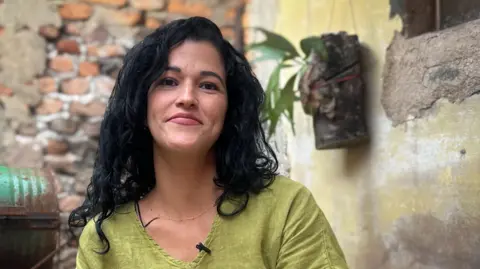
Another mother-to-be, Indira Martínez, reflects on the harsh domestic situation exacerbated by the ongoing energy crisis. With the government's promises of support having largely failed to materialize, Indira and her family now rely on a small charcoal grill to cook when power outages render their electric stove useless.
Indira, who is also battling pregnancy-related challenges, expresses deep concern over her child's prospects: 'How am I going to tell her she has no prospects in life? Because she won't have any.' This statement encapsulates the despair felt by many in a nation where education and economic viability are in decline.
The distressing atmosphere is compounded by an aging population and a very low birth rate, as Cuba faces significant outward migration of its youth in search of better opportunities abroad. With significant humanitarian aid reported to have reached the island but largely unavailable to many families, the struggle for expectant mothers becomes paramount.
In conclusion, as Cuba navigates this profound crisis, the stories of Mauren and Indira highlight the resilience and strength of mothers fighting for a better future for their children amidst suffocating circumstances.