In brief
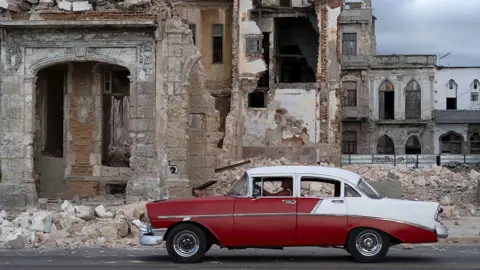
The United States' intensified sanctions have sent the number of foreign visitors to Cuba plummeting 58.4% in the first five months of 2026, sparking cascading effects across the island. Airlines halted flights, and hotel operators withdrew, deepening the economic downturn. The resulting fuel shortages, coupled with power cuts, have left garbage bins overflowing and rationed medical supplies scarce, painting a grim picture of how economic pressure can amplify environmental and public‑health vulnerabilities. The crisis underscores the urgent need for climate‑resilient, diversified energy and waste‑management systems in fragile economies.
The number of foreign travellers visiting Cuba has plummeted since the beginning of the year amid tightened United States sanctions, according to data from the national statistics agency.
Less than 360,000 foreigners visited the island in the first five months of 2026 – a 58.4% drop compared to the same period a year earlier.
The Trump‑era crackdown on Cuba’s tourism sector, a vital source of income, has forced several foreign airlines and hotel chains to stop operating on the island.
Air Canada, for instance, announced an indefinite suspension of its flights to Cuba because of political and economic uncertainty; the traveler numbers from Canada made up the largest foreign contingent.
Spanish hotel groups Meliá and Iberostar halted operations at dozens of properties as an USA deadline for companies to cut ties with the Cuban army‑run conglomerate Gaesa approached.
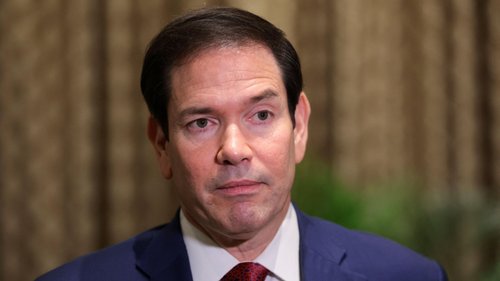
US Secretary of State Marco Rubio has called Gaesa a "state within a state," accusing it of hoarding profits for a small elite while suppressing dissent.
These sanctions have exacerbated already existing shortages - fuel, medicines and food, leading to a rough daily two‑hour electricity allotment in many households and stalling production of essential items such as communion wafers.
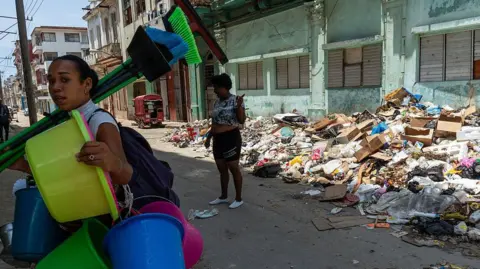
Fuel starvation has paralyzed vital sectors, including rubbish collection – piles of garbage now litter the Havana streets. Power cuts have become frequent, triggering rare protests in a country where dissent can be heavily punished.
The survival rate for children with cancer has fallen from 85% to 65% since the sanctions, according to state‑run news.
Amid these crises, local communities and NGOs are now looking to renewable energy solutions – solar and wind – to reduce dependency on imported fuel, aiming to mitigate further environmental damage and strengthen economic resilience.