In brief
Children living in war zones face immeasurable challenges, from physical injuries to deep psychological trauma. The story of Abdelrahman, who lost his leg in an air strike and now struggles with depression, highlights the urgent need for mental health care in conflict areas. Experts point to the importance of a stable and nurturing environment for healing, as they call for global awareness of the ongoing humanitarian crisis impacting millions of children worldwide.
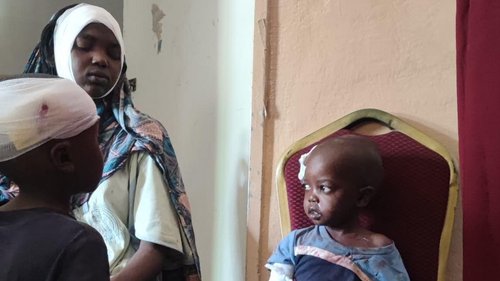
Content warning: this article includes details about the impact of conflict on children in war zones and descriptions of injuries that some readers may find distressing.The first thing was that Abdelrahman's dad was killed... The family home was struck by an Israeli air strike. The boy's mum, Asma al-Nashash, 29, remembers that they brought him out in pieces.Then on July 16, 2024, an air strike hit the school in Nuseirat, central Gaza. Eleven-year-old Abdelrahman was seriously wounded. Doctors had to amputate his leg.His mental state began to deteriorate. He started pulling his hair and hitting himself hard, Asma recalls. He became like someone who has depression, seeing his friends playing and running around… and he's sitting alone.When I meet Abdelrahman at a hospital in Jordan in May 2025, he is withdrawn and wary. Dozens of children have been evacuated to the Kingdom from Gaza for medical treatment.We will return to Gaza, he tells me. We will die there.Abdelrahman is one of thousands of traumatised children I've met in my nearly four decades of reporting on conflicts. Certain faces are embedded in my memory. Some as though I had only met them yesterday. They reflect the depth of terror inflicted on children in our time.Over 520 million children are living in conflict zones worldwide. The psychological effects of war can have lifelong consequences for young minds. Experts like Prof Theresa Betancourt emphasize that exposure to trauma impairs brain development, affecting mental health and behavior. Efforts towards healing, however, are often hampered by the chaos of ongoing violence and displacement, with many children unable to find the safe, stable environments they desperately need.Overall, the challenge remains not just to address the immediate needs of these children but to advocate for a world where their futures are not written in the shadows of war.