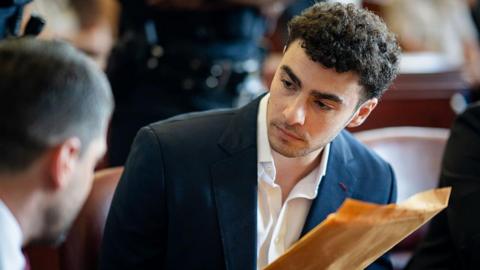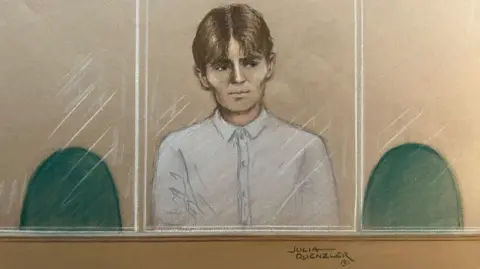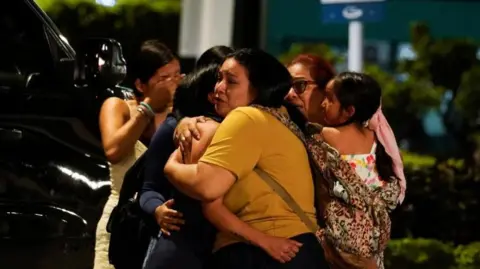
Lawyers defending Tyler Robinson, accused of murdering conservative activist Charlie Kirk, are urging a Utah judge to curtail media coverage of the case, claiming biased reporting risks unfairly influencing potential jurors. Among mounting concerns, they argue graphic videos revealing details about Kirk's shooting could shape public opinion and complicate the pursuit of an impartial trial.
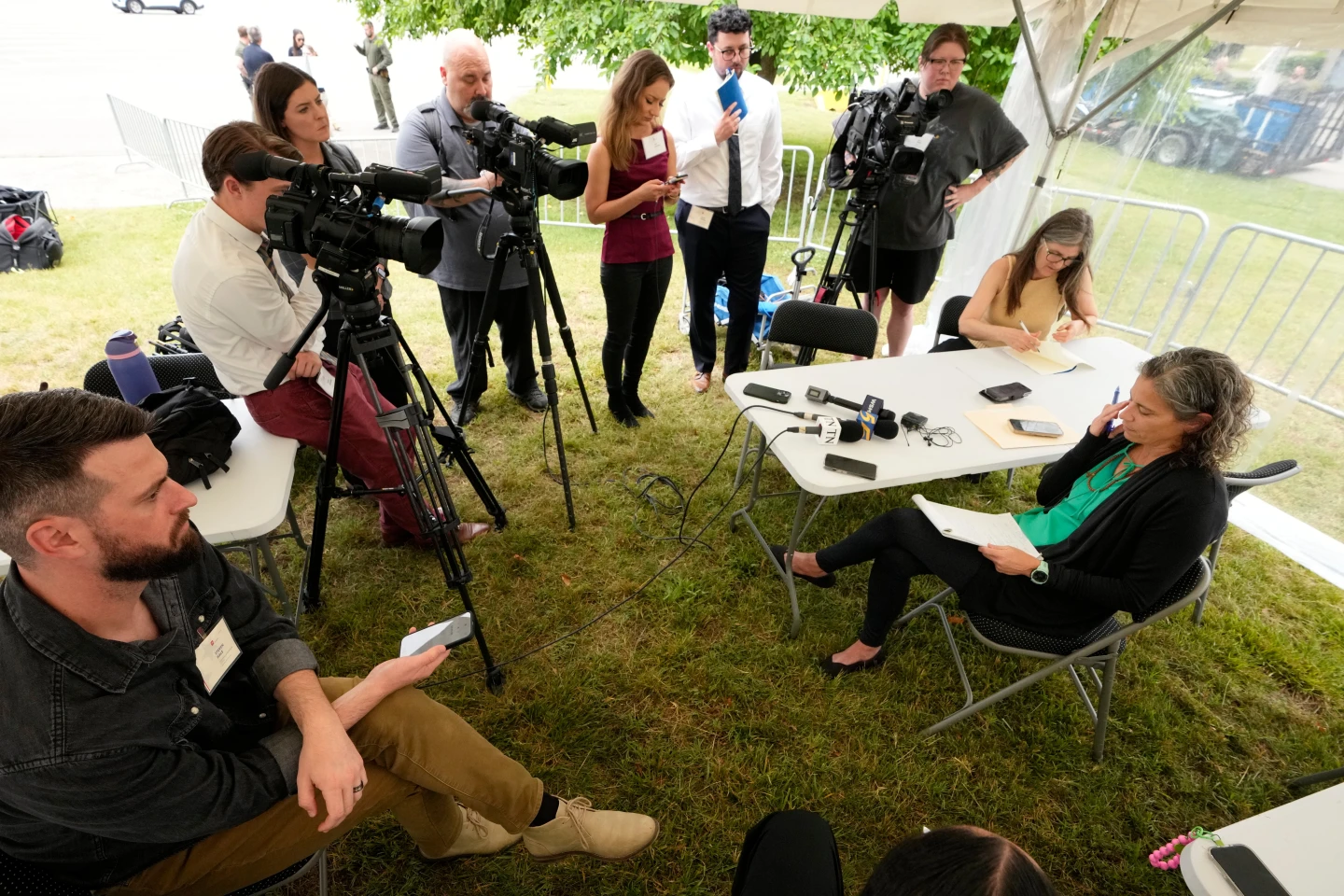
As prosecutors insist on maintaining public access to proceedings, emphasizing the necessity of transparency for judicial confidence, the defense points out the prejudicial spectacle surrounding high-profile cases. 'In the absence of transparency, speculation and misinformation thrive,' asserts Erika Kirk's attorney.
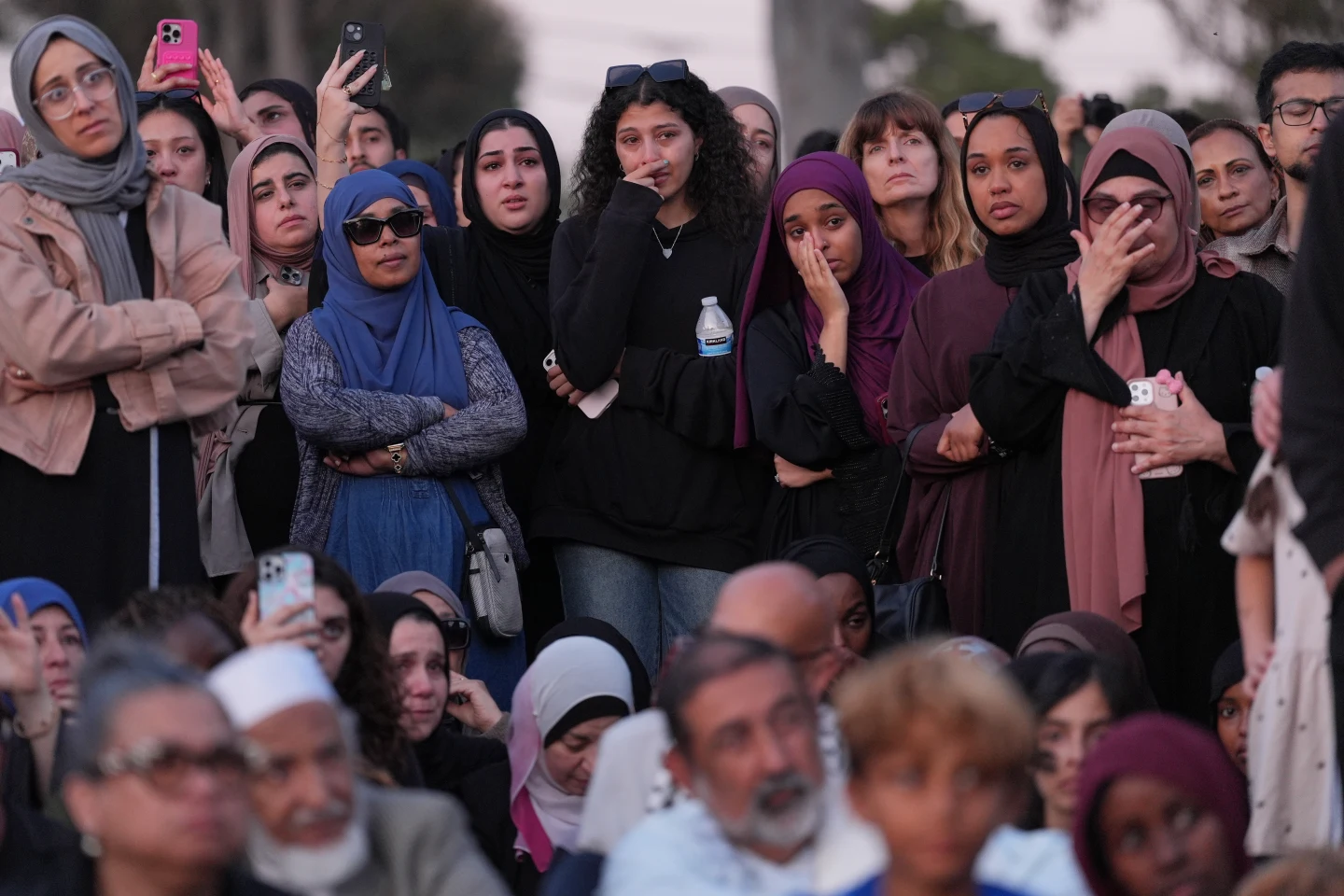
Legal experts affirm the defense's concerns, highlighting that excessive media exposure can create preconceived notions that jurors bring into the courtroom. Such media influence was evident in the public's immediate reactions following the incident, impacting the perceptions surrounding the motivations behind the shooting.
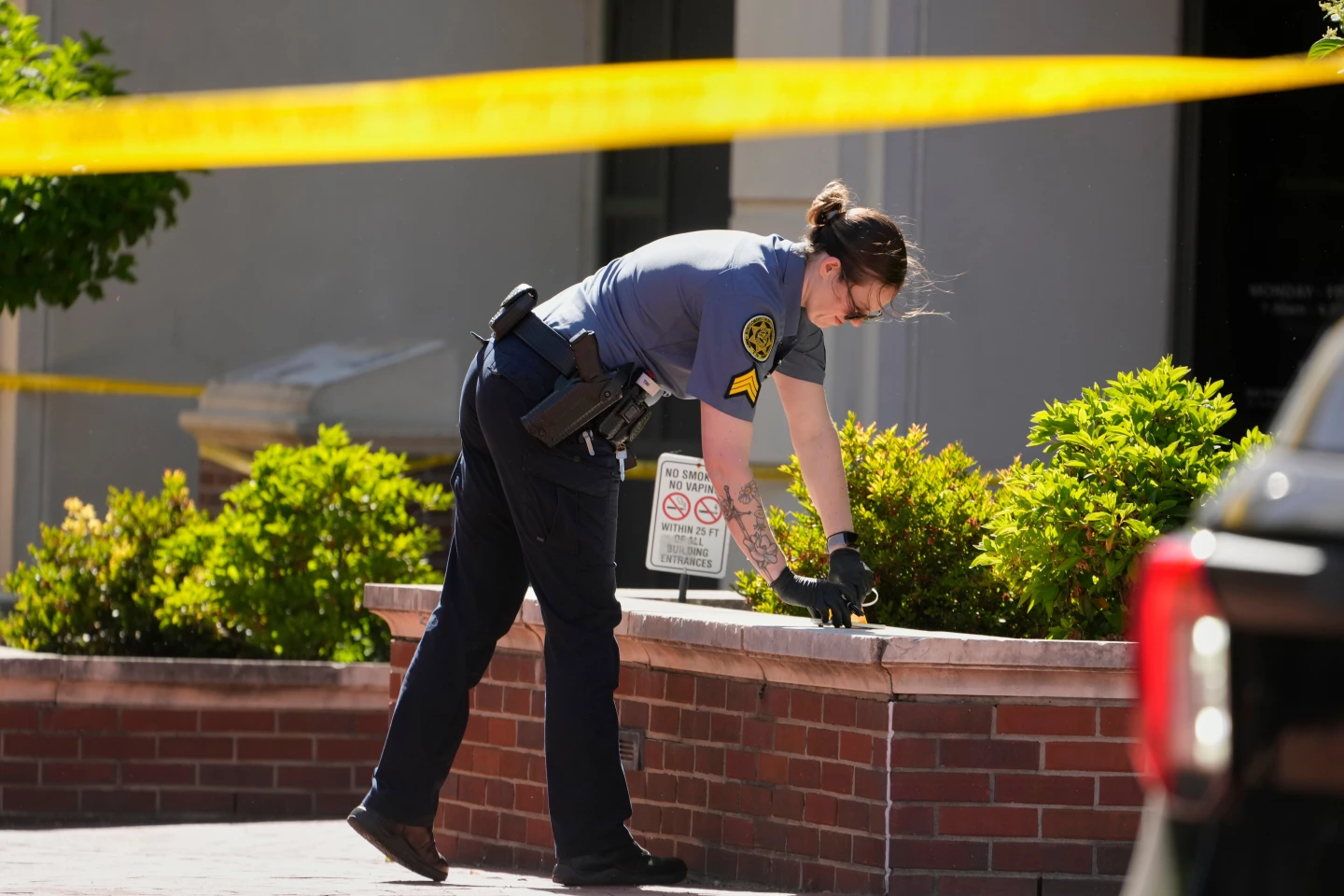
Complicating matters, prosecutors plan to seek the death penalty, citing the heinous nature of the crime—an argument that could be bolstered by graphic footage of the incident. While both sides agree on the significant public interest, the challenge remains in ensuring that the trial proceeds without external biases interfering with its integrity.
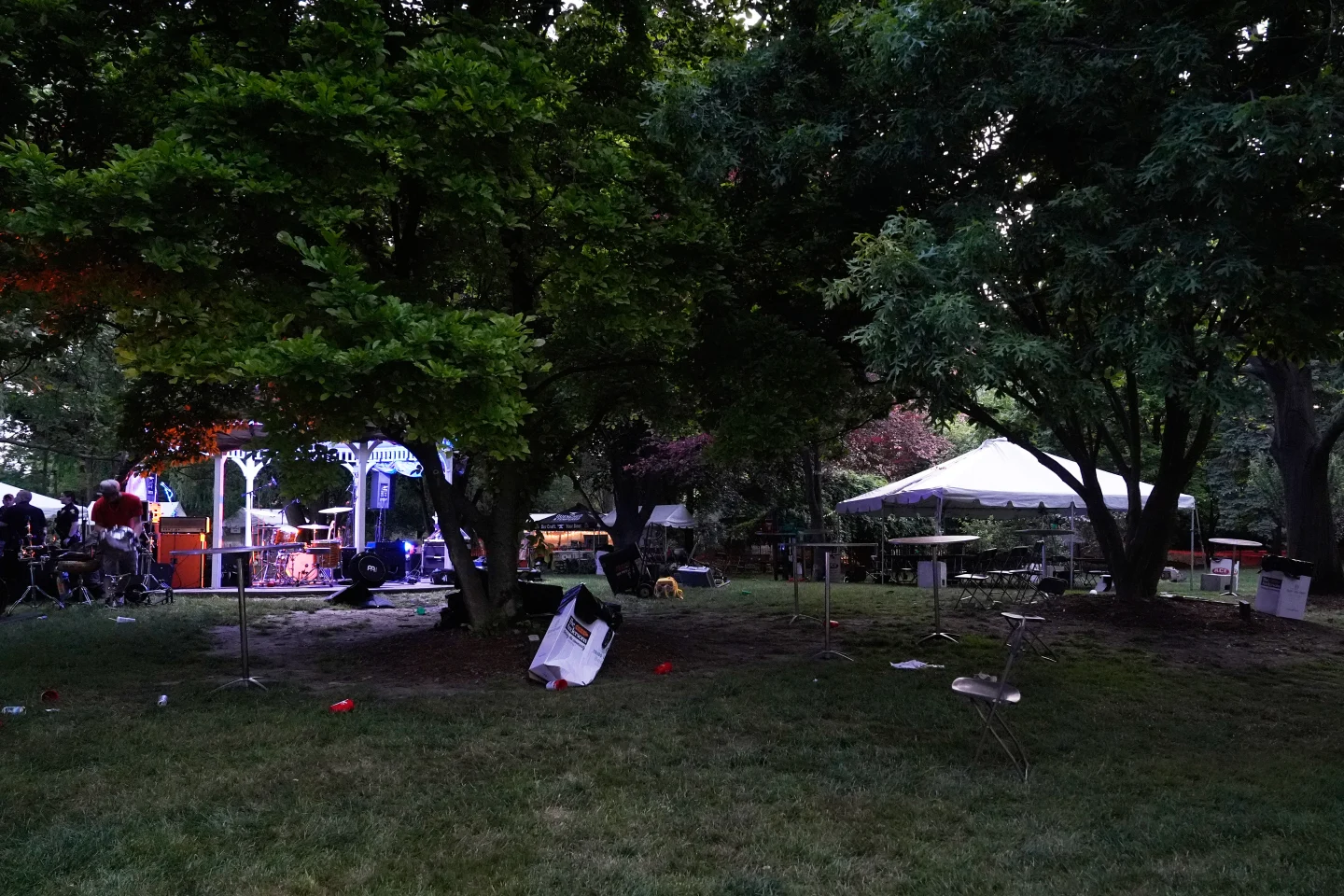
As Robinson's team considers disqualifying local prosecutors over alleged conflicts of interest due to personal connections to attendees at the rally, the stakes of maintaining judicial fairness in this politically charged case continue to escalate. The outcome of this trial may set precedential norms regarding media coverage and courtroom transparency in similar high-profile cases.