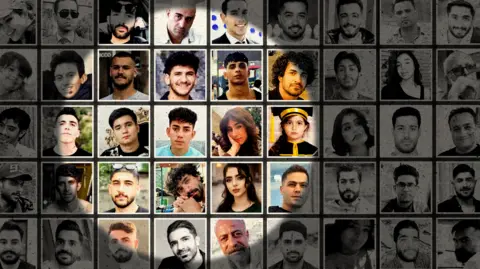
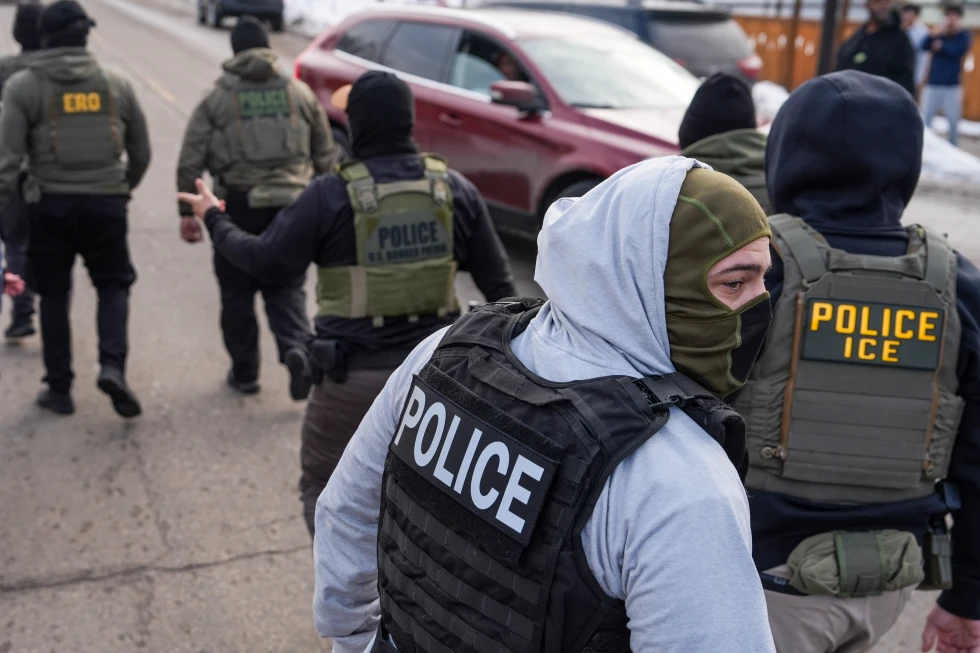
In light of increasing concerns surrounding immigration enforcement within communities, heads of key agencies executing the immigration agenda under President Trump are set to testify before Congress. Major attention has centered on U.S. Immigration and Customs Enforcement (ICE), U.S. Customs and Border Protection (CBP), and U.S. Citizenship and Immigration Services (USCIS), whose actions have drawn criticism following recent incidents involving law enforcement-related fatalities among protesters.
With public sentiment shifting against the administration's hardline immigration policies, officials will face questions regarding tactics that critics argue violate civil liberties and exacerbate community tensions. The hearing occurs as these agencies, bolstered by significant funding increases, are poised to broaden their operational scope despite the public backlash.
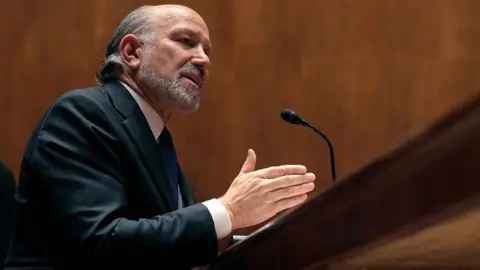
Todd Lyons, acting director of ICE, Rodney Scott of CBP, and Joseph Edlow of USCIS are prepared to address concerns over their enhanced arrest and deportation strategies. These policies, aimed at ramping up enforcement, have transformed traditional roles into contentious missions characterized by an increased presence in urban settings.
Among the contentious topics likely to arise is a memo signed by ICE's Lyons, which permits officers to enter homes without a judge’s warrant, raising questions about Fourth Amendment protections against unlawful search and seizure.
As these discussions unfold, the administration maintains that such aggressive measures are critical for national safety, arguing they primarily target those posing a genuine threat. However, growing scrutiny suggests that the aggressive tactics and the rising number of confrontations could lead to further unrest, making the upcoming testimony pivotal in shaping the future of the U.S. immigration policy.
Finally, USCIS's policy changes, including additional vetting for refugees and delayed asylum case decisions, have further fueled the ongoing debate over the balance between security measures and humane treatment for displaced individuals.