In brief
US and Iranian forces exchange air strikes and maritime attacks around the Strait of Hormuz, prompting a temporary cease‑fire and calls for dialogue. The disruption threatens to choke the world’s oil supply, push up fuel prices, and increase greenhouse‑gas emissions linked to shipping. The conflict underscores how geopolitical instability can undermine climate‑security by sparking fossil‑fuel dependence and maritime pollution. In the midst of war, resilient renewable maritime infrastructure emerges as a strategic alternative. The article highlights the need for climate‑aligned maritime solutions and the urgency of transitioning to cleaner shipping routes.
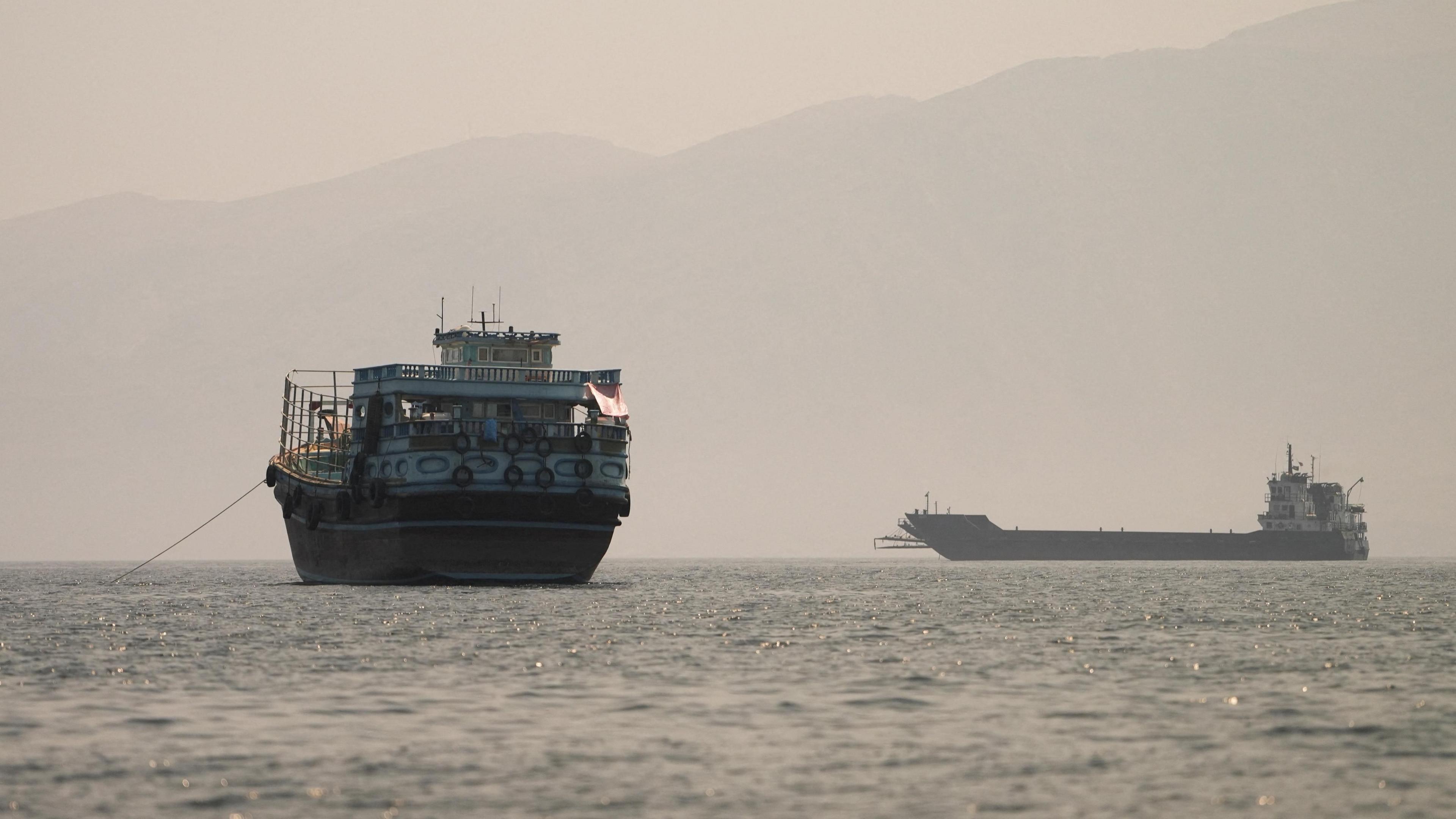
The US and Iran have just agreed to stand down after a series of missile strikes across the Strait of Hormuz, a vital hub for global oil transport.
The exchange of fire began after an Iranian missile struck a cargo ship and months of unresolved tensions. The US, citing “continued aggression” against commercial shipping, retaliated with a broader strike campaign. Both sides have accused each other of violating a recently signed cease‑fire and of allowing nuclear‑grade weapons access to strategic waterways.
While the cease‑fire promises “freely moving vessels,” the drama in the Gulf is a stark reminder of how military conflict can elevate fossil‑fuel consumption. A single halted shipping lane can push oil prices higher, leading to increased aviation and road traffic to seek alternative energy sources.
Each tug‑boat that waits for a pass in the Straits is an opportunity for climate engineers to rethink how maritime freight moves. Renewables such as wind‑propelled vessels, battery hybrids, and hydrogen‑fuelled ferries offer a window to decouple logistics from hydrocarbons. The international community’s real test is whether conflict can spur investment in green maritime infrastructure.
In related regional news, diplomatic efforts between Israel and Lebanon have stalled; local cease‑fires were lost when Hezbollah strikes were launched. US diplomatic messaging indicates that these geopolitical tremors could persist, increasing uncertainty for both energy markets and shipping milestones.
As the world pivots toward net‑zero, the resilience of maritime supply chains hinges on a stable political environment. The recent US‑Iran accord highlights the fragility of the path to a climate‑safe future. Policymakers, investors and citizens alike must watch the Strait as a potential flashpoint for both economic and environmental stability.