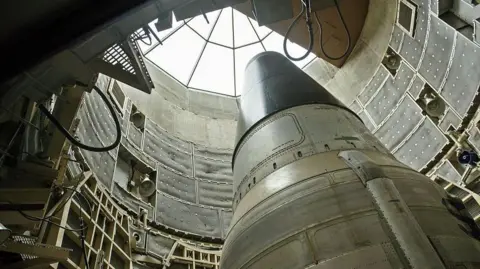
The last nuclear weapons control treaty between the US and Russia is due to expire, raising fears of a new arms race.
The Strategic Arms Reduction Treaty, known as New START and signed in 2010, was one of several agreements designed to help prevent a catastrophic nuclear war.
The treaty capped the number of deployed strategic nuclear warheads for each party to 1,550 and established transparency measures such as data transfer, notifications, and on-site inspections.
This expiry marks the end of arms control cooperation between Washington and Moscow that helped bring an end to the Cold War.
Recently, Pope Leo urged both nations to renew the treaty, emphasizing the need for efforts to avert escalating military tensions.
The original START treaty, established in 1991, limited each signatory to 6,000 nuclear warheads.
Although Russia suspended the treaty three years ago amid rising tensions over the Ukraine conflict, both nations were believed to still comply with its terms.
Ineffectively preventing an uncontrolled arms buildup, the treaty provided transparency measures to help avoid misjudgment of each other’s intentions.
The expiration of New START follows a worrying trend as several long-standing arms control agreements have dissolved, increasing global security risks.
Admiral Sir Tony Radakin, the former head of the armed forces in Britain, highlighted that the collapse of key arms control treaties could endanger global safety.
Russia’s Dmitry Medvedev warned of the alarming implications of treaty expiration, especially amidst heightened nuclear rhetoric.
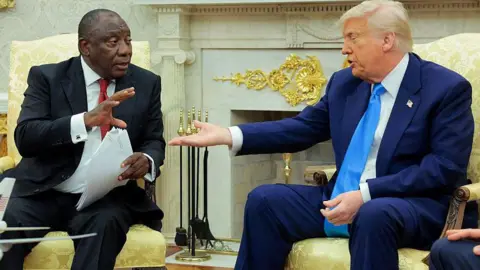
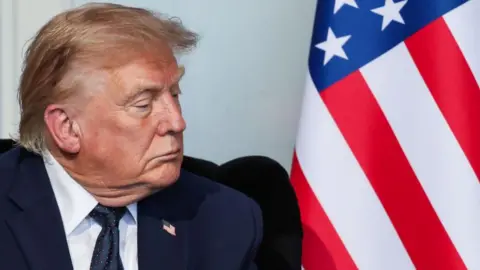
While a senior adviser to President Putin stated intentions for measured actions post-expiration, commentary from US President Donald Trump indicated a more cavalier stance on the matter.
The landscape of nuclear capabilities is changing, with both the US and Russia undertaking significant modernization efforts of their nuclear arsenals, potentially ushering in an era of renewed arms competition.
Experts warn that the lack of a new treaty could exacerbate global insecurity, at a time when nations appear more inclined to expand their nuclear capabilities.