In brief
In a significant move, US President Donald Trump has announced a reduction of tariffs on Indian goods from 50% to 18%, generating optimism in India. The decision comes after a period of strained trade relations, largely due to previous tariff increases following India's oil purchases from Russia. While industry leaders are hopeful this deal will strengthen US-India relations, experts emphasize the need for clarity on the specifics of the agreement and its implications for future trade.
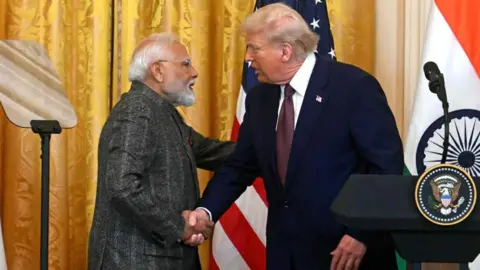
US President Donald Trump's decision to lower reciprocal tariffs on India from 50% to 18% has been met with a sense of relief in Asia's third-largest economy, even as precise details on the agreement remain sketchy.
India paid the highest tariffs in the world after Trump raised import duties on Indian goods from 25% to 50% in August last year, citing Delhi's purchase of discounted Russian oil as a contributing factor to sanctions error related to the war in Ukraine.
After a call with Prime Minister Narendra Modi, Trump claimed that Modi agreed to stop buying Russian oil and increase imports from the US. Modi thanked Trump on behalf of the Indian populace and expressed hopes for a stronger partnership.
The declaration marks a significant development following a trade war that strained US-India relations; key exports from India had dropped in sectors like textiles and seafood. Trump's tariffs pushed India to seek alternative trade agreements, resulting in a notable push from India to diversify its markets.
Recent agreements, including one with the EU eliminating tariffs on numerous goods, illustrate India’s strategy to expand trade ties globally amidst challenging circumstances.
Indian industry swiftly welcomed the announcement, marking it as a relief from uncertainties that had previously affected markets. Experts, while optimistic, noted that the specifics of the agreement leave several questions unanswered, including which products are included and timelines for implementation. Trade analysts encourage caution until more formal details emerge.
This deal, while a positive sign, requires a thorough examination to ascertain its impact on both countries, as well as on a global scale, especially in the context of ongoing geopolitical tensions with China and Russia.