In brief
Across the United States, the expansion of data centers is met with mounting resistance from local communities. As developers seek to build large facilities to meet the demand for artificial intelligence and cloud computing, residents express concerns regarding environmental impacts, increased energy costs, and the loss of open space. Community meetings are now filled with residents who oppose these projects, leading to significant pushback against tech giants and real estate developers alike.
SPRING CITY, Pa. (AP) — In the face of booming demand for data centers to power artificial intelligence and cloud computing, a growing number of communities across the United States are vocally opposing the establishment of these energy-intensive facilities. Residents in various towns and suburbs are uniting to express their discontent, leading to numerous rejected projects.
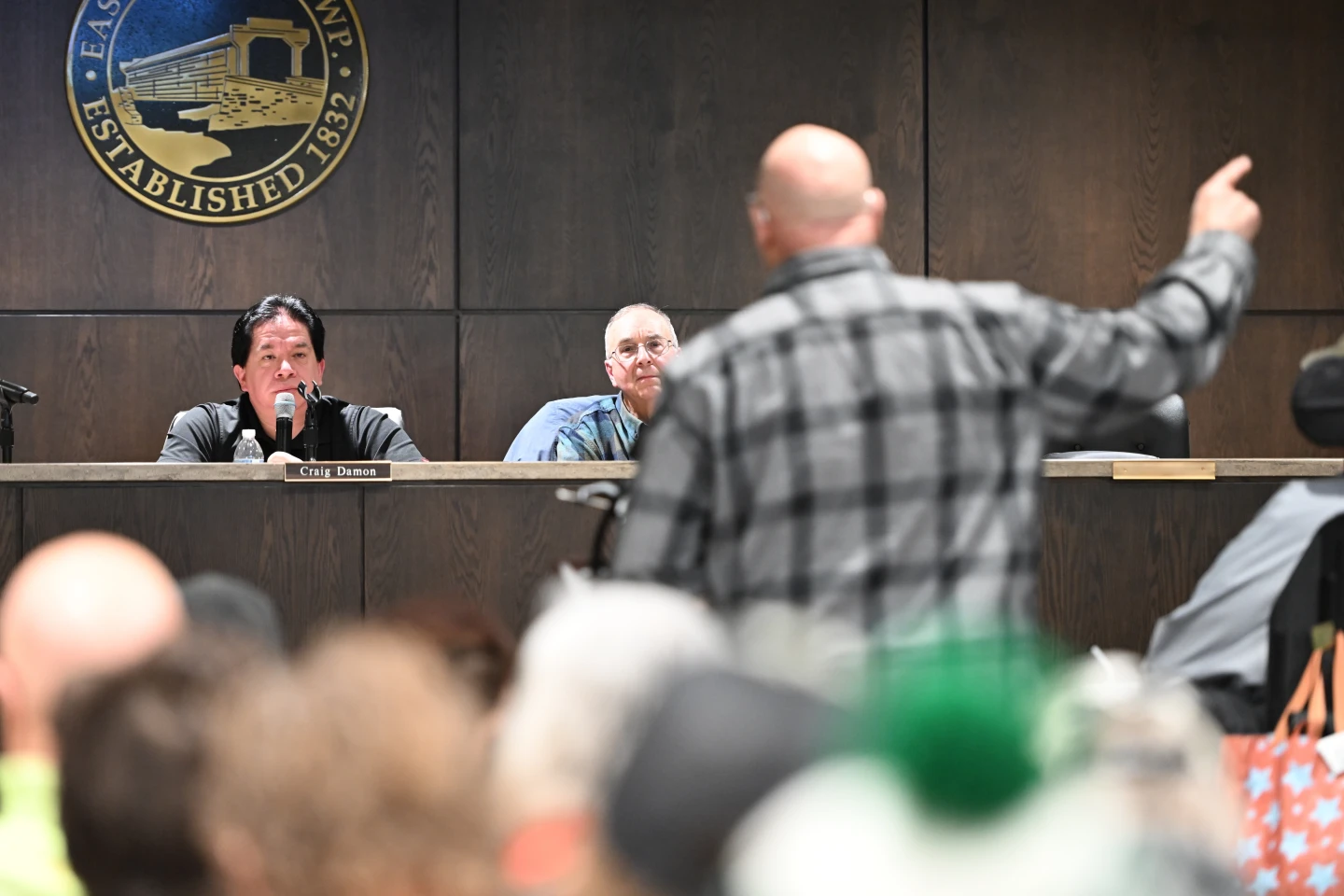
Local opposition has transformed once-quiet municipal meetings into platforms for heated discussions, where residents rally against data centers proposed for their neighborhoods. Concerns range from environmental ramifications to the hefty increases in electricity bills that these developments might bring. Larry Shank, from East Vincent Township in Pennsylvania, captured the sentiment: “Would you want this built in your backyard?”
Growing Resistance to Data Center Development
Data Center Watch reports a staggering tally of community objections, with 20 proposals worth $98 billion blocked or delayed in just three months due to local dissatisfaction. Many municipalities now grapple with how to incorporate these massive infrastructures into existing zoning laws, often leading to contentious debates. In places like Indiana, a surge of rezoning petitions is being met with fierce opposition, drawing extensive community engagement.
Environmental advocacy groups are stepping in to assist communities facing these challenges, providing resources and knowledge on safeguarding their neighborhoods. A vocal opponent, Bryce Gustafson from the Citizens Action Coalition, noted the unprecedented scale of local pushback across Indiana, where numerous projects have faltered.
Unified Community Concerns
Residents are increasingly alarmed over losing their open spaces and the potential impacts on their quality of life, worsening property values, and health threats from on-site diesel generators. The worry extends to dwindling water sources as data centers demand significant water resources.
Even as tech giants like Microsoft, Google, and Amazon plow billions into these facilities worldwide, many failed to respond to inquiries about community resistance. Microsoft, however, acknowledged these challenges in an October filing, acknowledging that local opposition can impede infrastructure development.
A Political Landscape Altered by Local Pushback
Despite some supportive local officials, winning over communities remains a challenge. For example, in Matthews, North Carolina, a project that would have funded half the city budget was scrapped after receiving overwhelming opposition from the public, demonstrating that resident influence can outweigh monetary promises. Residents in some locales have organized aggressively using social media to share information and strategies against proposed data centers, sparking even more significant community activism.
As stakeholders in the data center industry acknowledge the struggles of community engagement, they call for improved communication and collaboration with local residents, aiming to alleviate fears of environmental degradation while highlighting potential economic benefits. Many in the community, however, remain unconvinced, and the fight against data center developments continues unabated.