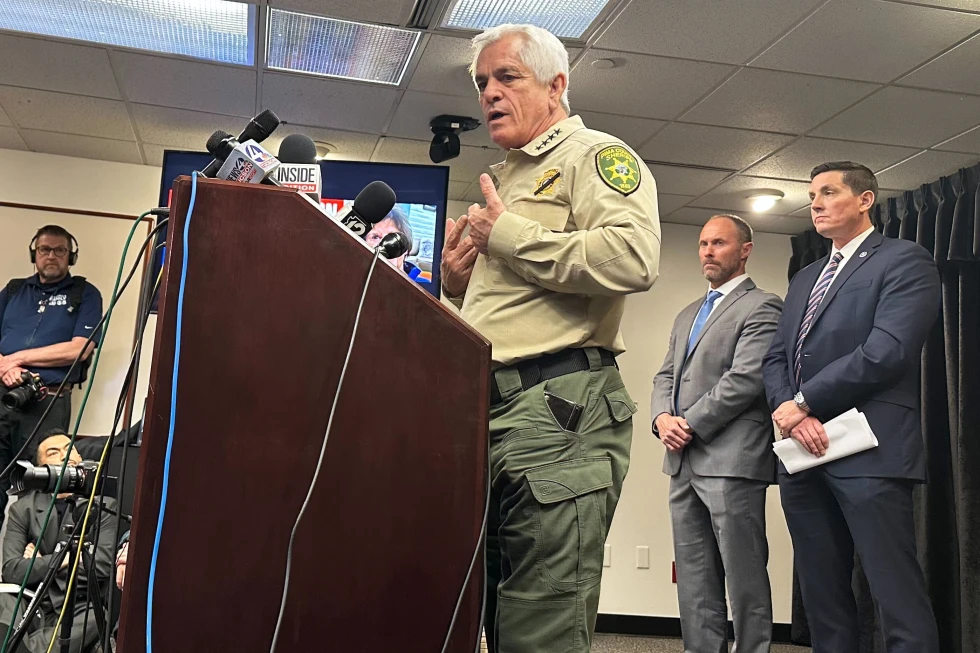
The urgent search for 84-year-old Nancy Guthrie has brought to light the unsettling intersection of artificial intelligence and crime, particularly in kidnapping cases. Amid ongoing investigations, her daughter Savannah made a poignant call to the kidnapper for 'proof of life,' emphasizing the complexity introduced by AI technologies capable of producing deepfake visuals and audio.
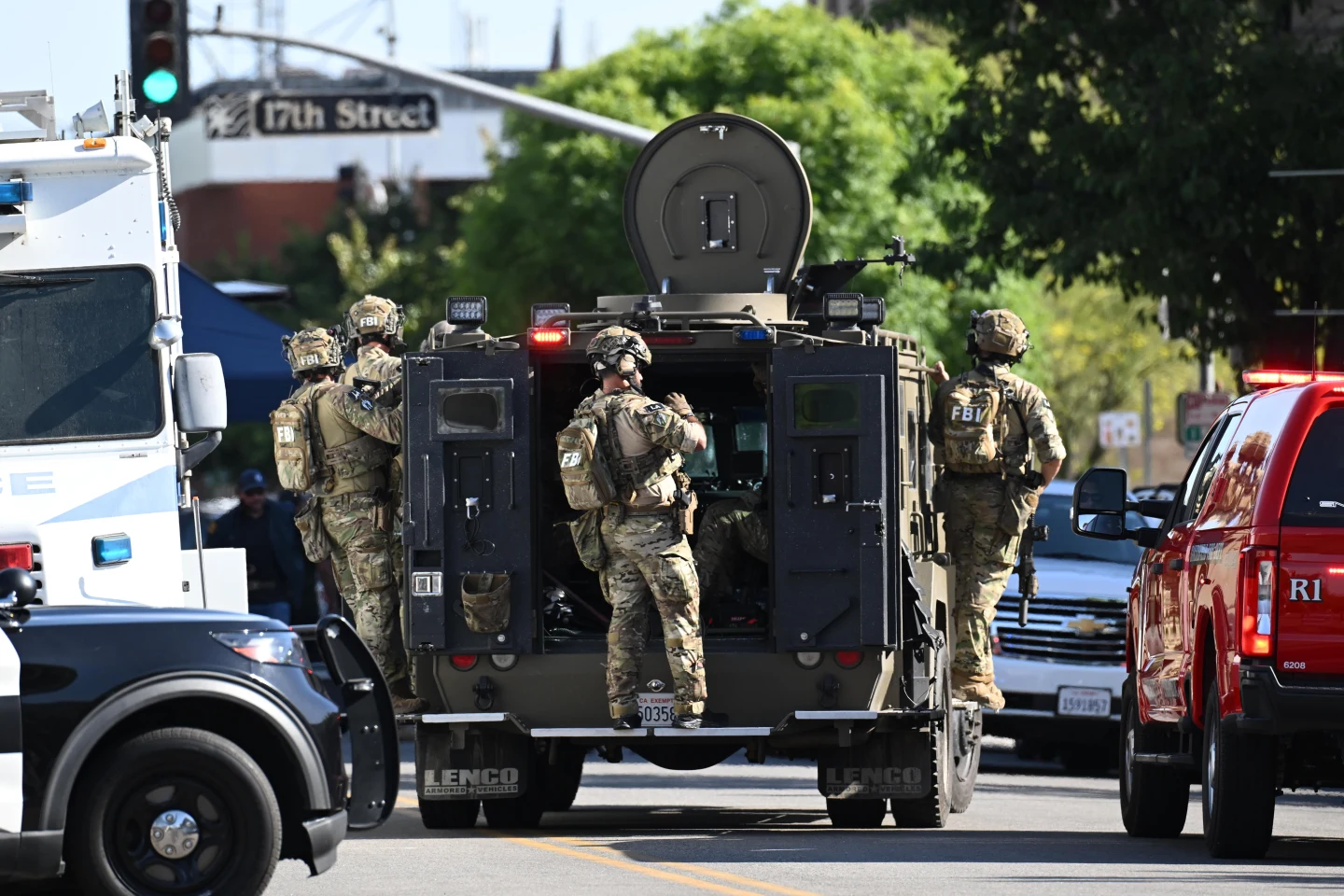
Law enforcement, including the FBI, has been alerted to the evolving tactics of criminals who can create manipulated images and videos that could mislead families and authorities. 'With AI these days, you can make videos that appear very real. So we can’t just take a video and trust that’s proof of life,' highlighted Heith Janke, FBI chief in Phoenix.
Historically, ransom communications have evolved from analog letters to today’s digital demands, complicating the verification process significantly. Notably, several news organizations have reported receiving suspicious ransom notes, which investigators are currently examining.
Amidst these discussions, Katherine Schweit, a former FBI agent, underscored the importance of evolving investigative techniques that now include digital forensics. She believes that direct communication with the perpetrator, as Savannah has attempted, is a critical tactic: 'The goal is to engage and explore ways to move forward.' This approach not only serves as an emotional plea but could potentially yield vital dialogue with the abductors.
As technology continues to advance, it will be imperative for families and law enforcement alike to adapt and employ new strategies in confronting these unprecedented challenges within the realm of crime and safety.