In brief
A devastating 7.4‑magnitude earthquake ripped through Cali, Colombia, killing at least 169 people and leaving many survivors trapped in collapsed buildings. The tragedy has highlighted the urgency for climate‑resilient and sustainable construction standards in earthquake‑prone regions. Citizen scientists and eco‑activists are pushing for green building protocols that incorporate flexible materials and community‑based monitoring. The international response calls for improved seismic risk assessments and the integration of climate adaptation into disaster resilience strategies.
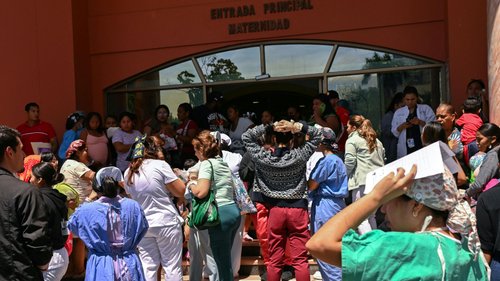
On 10 August 2026, a 7.4‑magnitude earthquake struck the western part of Colombia, with Cali – the country’s third‑largest city – bearing the brunt of the devastation. The tremor produced widespread collapse of residential and commercial buildings, leaving at least 169 civilians dead and dozens more injured as rescue teams search for survivors among the rubble.
The tragedy underscores the pressing need for resilient infrastructure that can withstand the intensified seismic pressures many regions face amid a warming planet. While tectonic plate movements drive earthquakes, climate change contributes indirectly: altered weather patterns affect soil stability, river flooding can deepen fault zones, and increased temperatures stress building materials beyond design limits. Each seismic event challenges the built environment and offers a critical moment to rethink standards that prioritize human safety and environmental stewardship.
- Strong‑steel and engineered timber frameworks can flex during seismic waves, reducing collapse risk.
- Retrofitting older structures with base isolation bearings and ductile connections has proven effective in similar earthquake‑prone cities.
- Sustainable building materials – such as recycled aggregate concrete or geopolymer composites – offer lower embodied carbon while maintaining structural performance.
- Community‑based monitoring using smartphone sensors can detect precursory seismic signals, enabling rapid evacuation and support.
- Integrated land‑use zoning that avoids densely populated areas at fault intersections will reduce emergency response demands.
Citizen scientists in Colombia have begun mapping damage and risk zones using low‑cost sensors and open‑source software. Their observations feed national building codes and help prioritize retrofits where they will have the greatest impact. Eco‑activists advocate for disaster recovery that not only replaces lost structures but also incorporates green infrastructure—green roofs, permeable pavements, and community gardens—that improves both resilience and ecological health.
The international community, including the United Nations Office for Disaster Risk Reduction, is calling for a coordinated response: updated seismic performance standards, widespread adoption of climate‑adapted building practices, and funding mechanisms that incentivize sustainable reconstruction.
With 169 confirmed fatalities and many more displaced, the urgency is clear. Beyond immediate rescue, the path to recovery must be anchored in climate‑resilient and environmentally conscious infrastructure that safeguards citizens and protects future generations from natural disasters amplified by climate change.