In brief
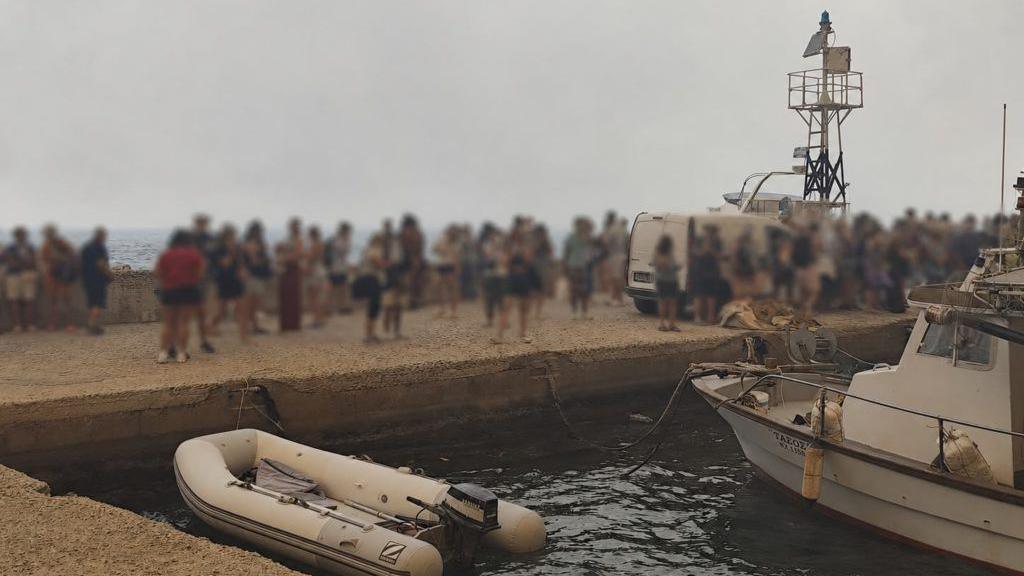
Early Friday, a fire near Agios Vasileios in Viotia forced hundreds—mostly tourists—to evacuate by boat as wind‑blown flames barricaded the town. Greek authorities and neighboring nations contend with simultaneous blazes, with Crete's island fire consuming thousands of hectares and prompting mass evacuations. In Spain and Portugal, hot conditions have already scorched over 200,000 hectares, and Turkey sees rising coastal threats. Climate change has amplified fire season, turning mild winters into drought‑laden summers. The escalating blazes underscore the urgent need for adaptive fire‑resilience strategies across southern Europe.
Hundreds of coastal residents are evacuating by sea after a wildfire surrounding Agios Vasileios, Viotia, snapped open and spread under strong winds.
Around 500 people—most tourists—found themselves trapped when the fire erupted Friday morning, pushing them toward boats as firefighting efforts stalled. Greek officials hope additional ship evacuations will free those still inland, while the blaze also broke out further along the coast, threatening the rural town of Xironomi.
Simultaneously, Crete’s wildfire has turned thousands of hectares to ash, forcing the temporary evacuation of 8,000 people. Fires also ignited on the islands of Paros, Andros and Kalymnos.
The current surge is a stark reminder that most fires originate from human activity, but climate‑driven heatwaves and moisture loss have turned these sparks into widespread catastrophes. Europe’s southern coast is grappling with breezes that turn every dry patch into a tinderbox.
Reported figures warn that Spain has burned over 200,000 hectares up to July, a five‑fold increase compared with seasonal averages, while Portugal’s 15,000‑hectare blaze in northern regions has already injured five.
Turkey meanwhile registers 206 active wildfires along its Mediterranean shoreline, including the popular tourist hub of Antalya.
The mounting fire tally across Greece, Spain, Portugal and Turkey highlights the critical need for advanced fire‑management and climate‑adaptation measures to safeguard communities and ecosystems.