A recent federal ruling in Minnesota has shed light on the practices of U.S. Immigration and Customs Enforcement (ICE), which has been accused of systematically violating court orders regarding immigration enforcement. Chief U.S. District Judge Patrick Schiltz's remarks underscored the need for compliance with legal rulings, relating to nearly 100 court orders that ICE failed to follow since January 1.
Judge Schiltz, who holds a conservative judicial background, stated unequivocally, ICE is not a law unto itself, as he critically assessed the agency's practices during Operation Metro Surge. The judge noted that ICE's repeated failures to comply with court mandates cannot be ignored, stressing that it is a concern that transcends political differences, pointing to a foundational respect for the rule of law.
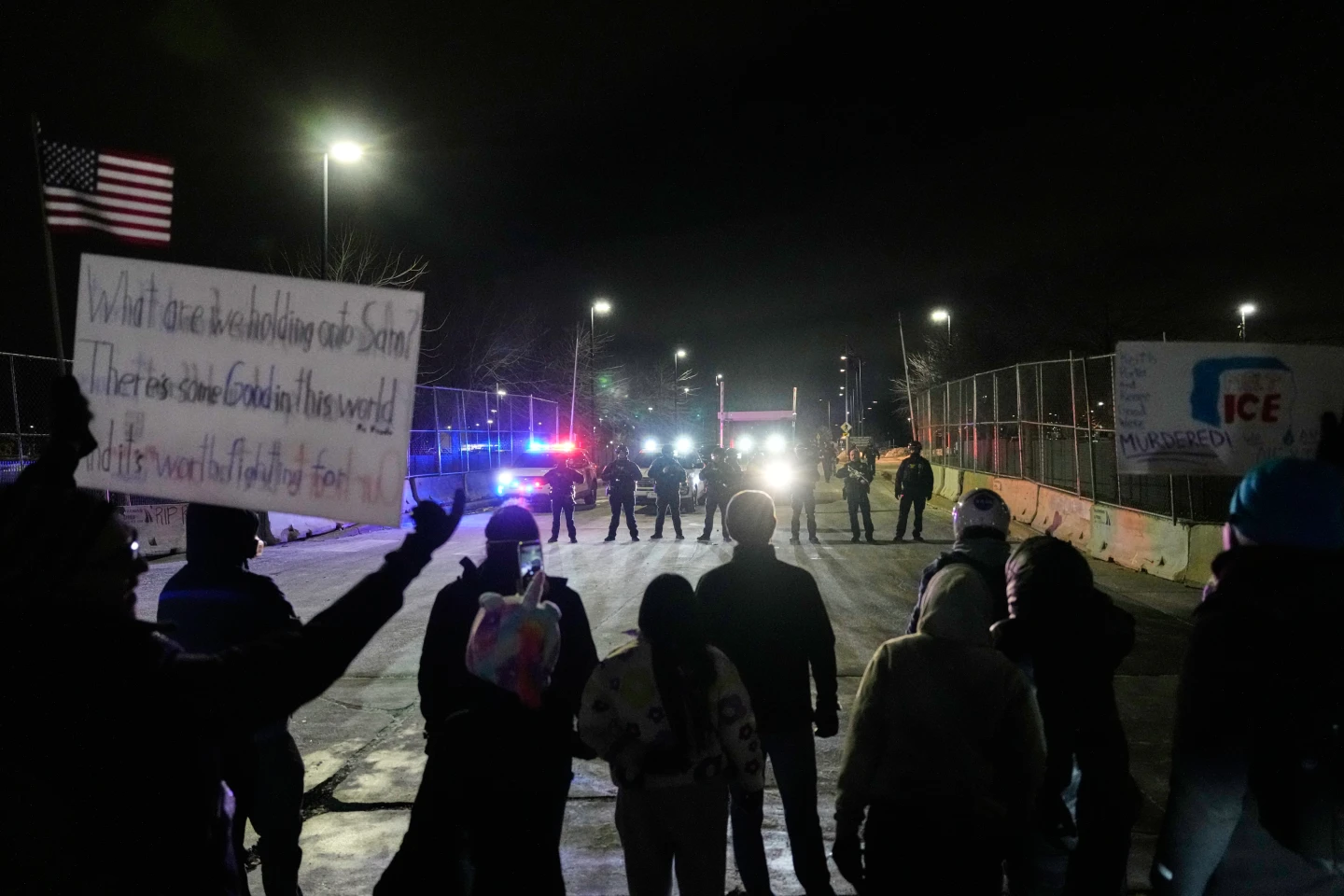
Highlighted in his statements were the tactics used by immigration officers that have drawn public outcry, including aggressive home raids and confrontations with protesters. These tactics have resulted in fatalities, raising alarm about the agency’s operational methods.
Judge Schiltz’s extraordinary action includes a demand for ICE's acting director, Todd Lyons, to appear in court to explain the agency's noncompliance. This demand follows heightened scrutiny on ICE following multiple lawsuits from detainees seeking relief from their unjust treatment.
This scrutiny has sparked conversations about governmental accountability amid aggressive immigration enforcement policies. Schiltz’s ruling is seen as a pivotal moment reflecting an increasing willingness among judges to hold government officials accountable for their actions in the realm of immigration law. Commentators, like law professor Mark Osler, affirm that such accountability is vital for maintaining trust and order within the government.
As ICE’s operational tactics continue to be challenged both in and out of court, the ruling acts as both a legal precedent and a moral reminder that adherence to legal processes is paramount in upholding the integrity of government operations.