In brief
Brazil’s 213 million voters head to the polls for a runoff that will determine who leads the country for the next decade. Incumbent Lula, 80, seeks a fourth non‑consecutive term while 45‑year‑old Flávio Bolsonaro, son of the former president now in prison, leads the opposition. The election mirrors a broader struggle over Brazil’s environmental future: Lula has pledged to halt Amazon deforestation and meet Paris targets, while Bolsonaro’s platform calms crime and boosts tax cuts, potentially at the expense of environmental safeguards. Supporters on both sides have rallied in Rio and other cities, underscoring the high stakes. The result will shape Brazil’s role in global climate diplomacy, deforestation policy, and its contribution to global emissions reductions.
Brazil’s 213 million voters head to the polls for a decisive runoff that could reshape the nation’s environmental landscape
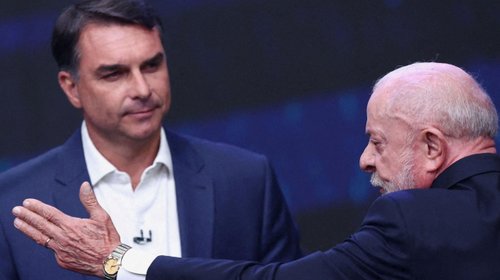
On Sunday, Brazil’s electorate will decide between two very different visions for the country’s future. Incumbent president Luiz Inácio Lula da Silva, aged 80, seeks a fourth non‑consecutive term, while 45‑year‑old Flávio Bolsonaro, the son of former president Jair Bolsonaro, leads the opposition. The race has become symbolic of how Brazil will chart its path on climate action, biodiversity and deforestation.
Bolsonaro’s campaign has focused on a tough crackdown on organized crime, public‑spending cuts and reduced taxes—policies that could ease the fiscal burden on industries that fuel Amazon deforestation. Lula, on the other hand, has promised to halt illegal logging, restore protected areas and honour the country’s commitments under the Paris Agreement, including a target to cut emissions by 45 % by 2030.
The stakes are heightened by the fact that the country’s largest protected rainforest spans one‑fifth of the planet and is a critical carbon sink. Lula’s last government lifted the 292‑kilometre fire‑line across the Amazon in 2020, slowing illegal activity, while Bolsonaro’s administration reversed key environmental safeguards. A win for Lula could see Brazil re‑engage with international climate finance and sharpen its deforestation monitoring, whereas a victory for Flávio Bolsonaro could roll back many environmental protections and shift the national focus back towards short‑term economic growth.
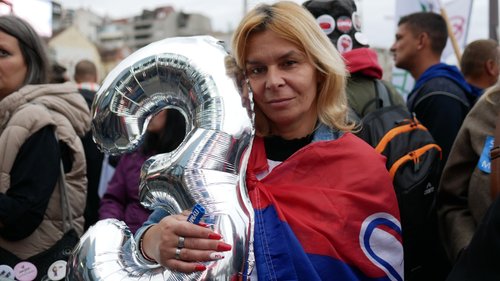
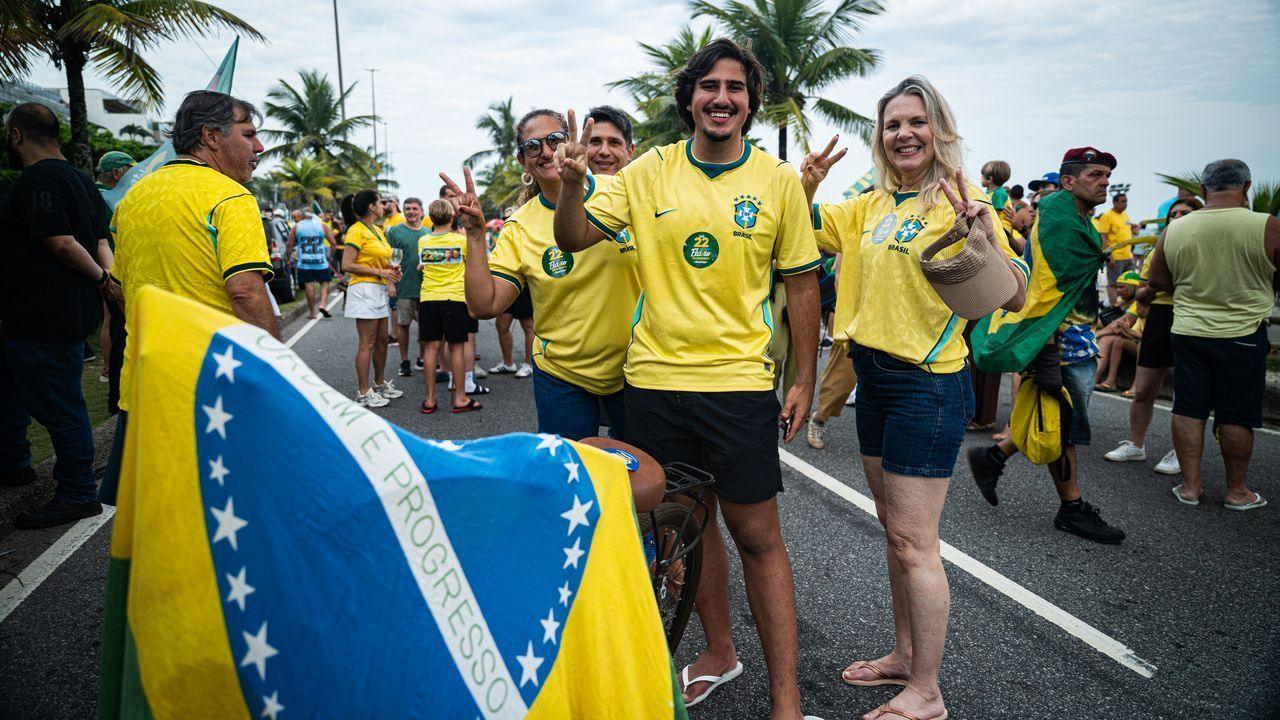
Both camps have mobilised supporters on the streets of Rio, São Paulo and Belo Horizonte. Lula’s supporters gathered on Copacabana beach, chanting that the election is a matter of Brazilian sovereignty versus foreign influence. Bolsonaro’s supporters, meanwhile, rallying in Barra de Tijuca, emphasised a desire to “end violence in Brazil” and to overthrow what they see as a hostage regime against national interests.
The outcome will not only decide Brazil’s political trajectory but also its role in global climate resilience. With 198 million hectares of the Amazon currently threatened by deforestation, the choice of president will influence Brazil’s future contributions to the United Nations Climate Change framework and its strategies for carbon sequestration, biodiversity conservation and sustainable agriculture.
International observers, environmental NGOs and citizen scientists have urged voters to consider how the new administration’s policies will affect Brazil’s carbon budget. The Sunday runoff, therefore, represents more than a political contest—it is a pivot point for the country’s environmental future and its global climate legacy.