In brief
On election day Israel’s defence forces shuttered all West Bank land crossings and barred Palestinian workers from entering settlements, adding to tensions after a checkpoint shooting. The crackdown, timed with political manoeuvres, has seen the demolition of homes in Hebron and the displacement of about 2,000 residents. International observers warn the restrictions resemble collective punishment amid a fragile cease‑fire, while the Israeli government cites security concerns.
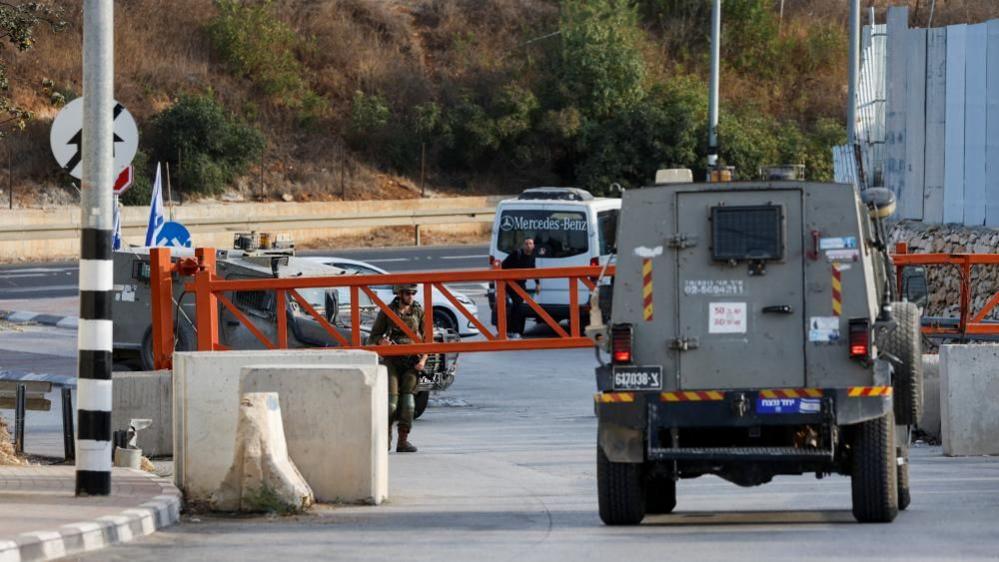
Israel’s military announced the closure of all West Bank land crossings and the prohibition of Palestinian workers from entering settlements on election day.
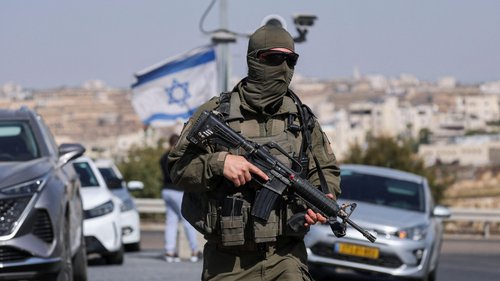
The decision came after two Israeli soldiers were killed and three wounded at a checkpoint, prompting officials to tighten security measures. The IDF’s ban now covers the entire Judea, Samaria, and Jordan Valley, effectively preventing the cross‑border labour that many Palestinian workers rely on.
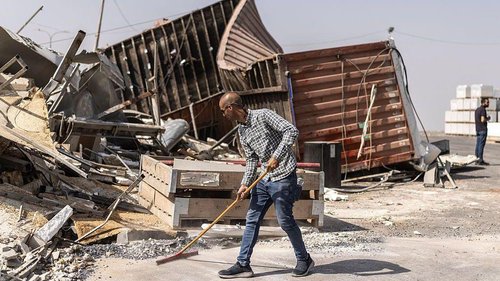
This sweeping restriction follows a pattern of demolishing properties tied to alleged attacks. In Hebron, Israeli forces have demolished several homes, displacing around 2,000 residents and flattening entire streets, as footage shared online shows.
Defence Minister Israel Katz highlighted the scale of displacement, noting the operation’s impact on the region’s 200,000‑strong population. Palestinian civil‑rights groups label the practice as collective punishment, citing the absence of a trial or due process for those condemned.
Prime Minister Benjamin Netanyahu has invoked the elections to justify “a very big surprise” for the Palestinian Authority, with the Hebrew mayor of Hebron accusing the operation of targeting the far‑right vote. Meanwhile, protests in Tel Aviv recorded by the October Council weigh on the nation, demanding accountability for the perceived security failures.
As international bodies continue to monitor the situation, the region’s fragile cease‑fire hangs in the balance beneath the looming political showdown.