In brief
When the San Marino‑flagged Wine Trader set ablaze near the Danube mouth, eight of twelve crew vanished amid explosive drone fire. The incident highlights the dual dangers of maritime conflict and carbon‑heavy fossil fuel use in shipping. Environmental groups warn that a marine oil spill would devastate fragile Black Sea ecosystems already strained by war‑related pollution. Experts now call for accelerated adoption of alternative fuels, stronger vessel safety protocols and regional maritime agreements to protect life and environment alike.
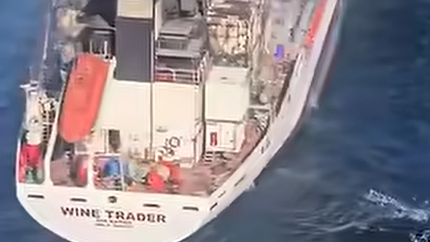
When the San Marino‑flagged Wine Trader caught fire 13 nautical miles east of the Danube mouth, medical crews were alerted to explosions and the ship’s blaze. Eight of twelve crew went missing, as rescue teams battle large waves while two Black Hawk helicopters hover above. The ship was reportedly struck by two Russian drones, a new weapon‑motive that has intensified maritime insecurity in the Black Sea.
The incident puts a glaring spotlight on the environmental footprint of the maritime sector. Standard oil tankers, like the Wine Trader, burn heavy fuel oil that releases significant carbon and sulphur oxides. An uncontrolled spill in the Black Sea would deplete oxygen‑rich waters, harm fisheries and disrupt the delicate balance of this critical food source for millions worldwide.
Industry leaders and climate scientists now argue that the dual threats of conflict and climate urgency demand a pivot away from fossil fuels. Algal bio‑diesel, hydrogen‑powered vessels and next‑generation electric propulsion are likely, but only if backed by international policy and investment. The EU’s Sustainable Shipping Action Plan and COMBATS initiative could offer frameworks to keep vessels out of harm’s way and on a cleaner carbon trajectory.
With Ukraine’s grain exports and global food security tightly linked to Black Sea routes, the urgency to prevent further environmental degradation cannot be overstated. An uncompromised marine environment is essential not just for the planet’s health but for the livelihoods of millions who depend on this maritime artery.
The incident urges all maritime stakeholders to adopt a faster timetable for green ship conversion, bolster vessel resilience against drones, and uphold rigorous safety protocols. Only through collective action can the shipping industry reconcile the demands of security, trade and the climate.