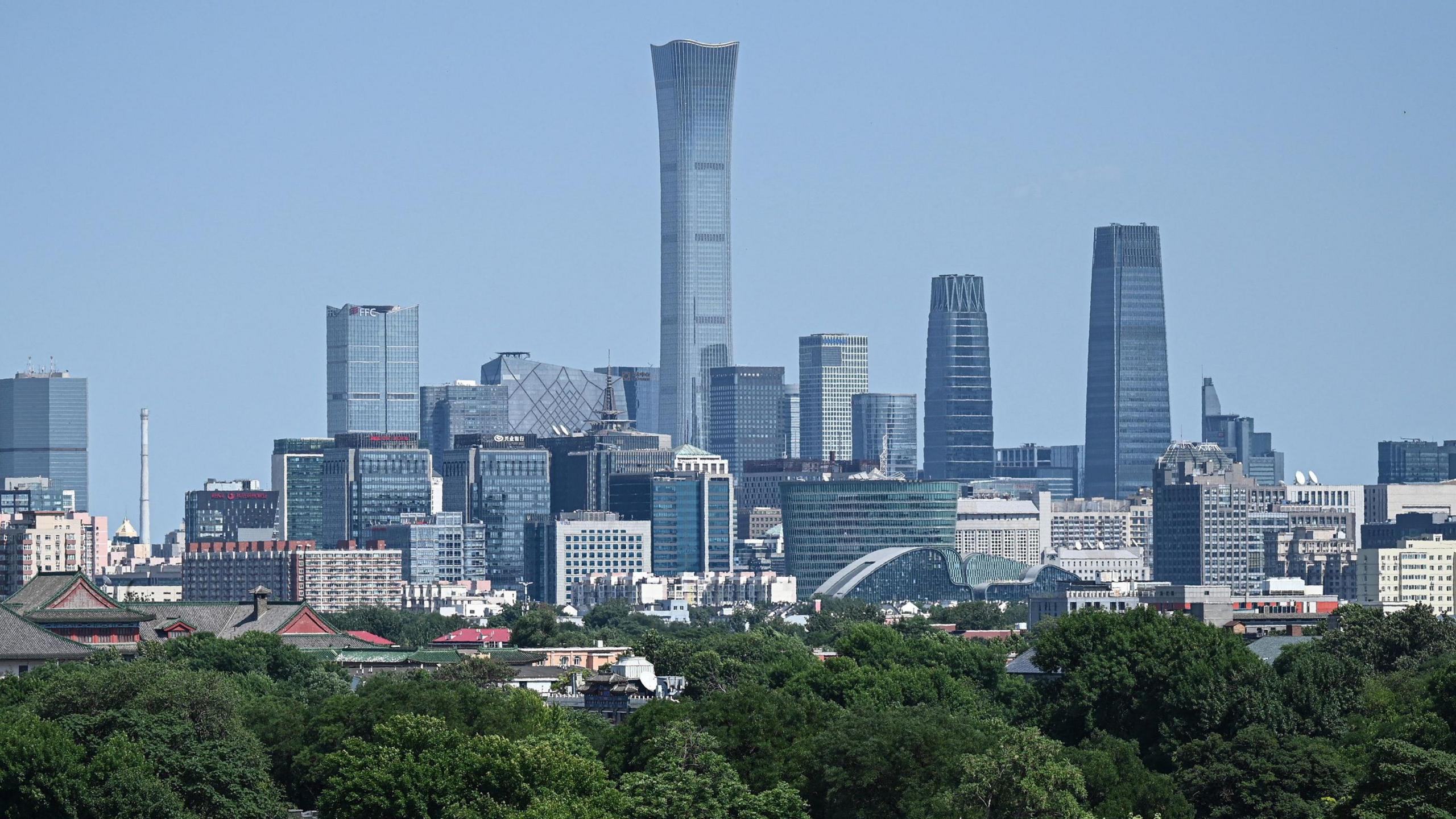
A Plane Slammed Into Beijing’s Tallest Skyscraper
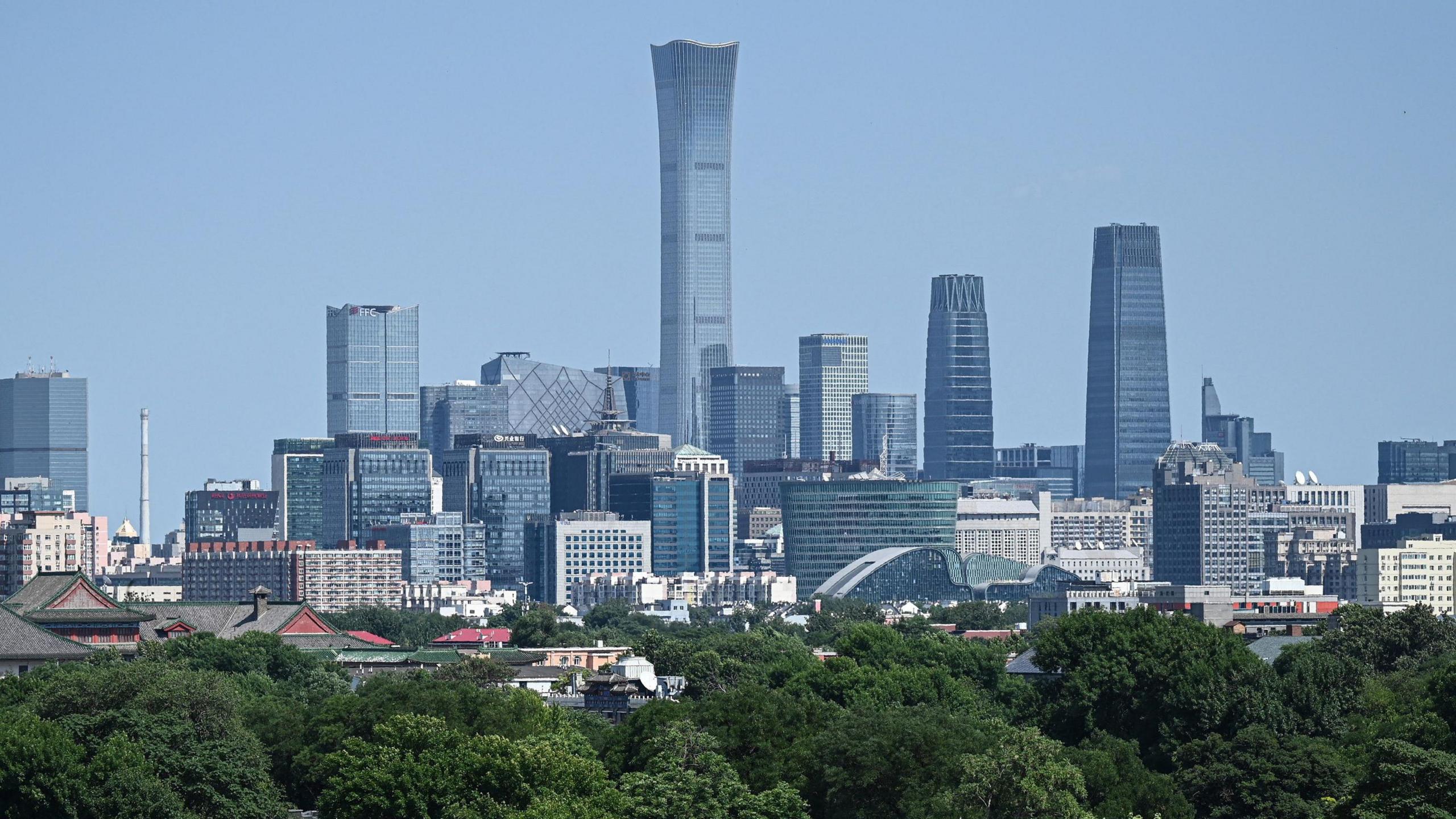
Four days after a small plane struck the side of the 109‑storey CITIC Tower, only one person was confirmed dead – the aircraft’s pilot – while thirteen others sustained injuries. The impact left visible holes on the tower’s façade, which have since been boarded up.
Official statements are sparse. Beijing Daily released a succinct 60‑word report summarising the facts, and only a handful of aviation firms confirmed that light aircraft operations have been suspended since the incident, but they declined to elaborate because instructions were issued not to discuss it.
The crash occurred a few kilometres from Zhongnanhai, the heavily guarded compound where the Communist Party’s leaders reside. This proximity highlights a severe breach of the city’s strict 100‑sq‑km no‑fly zone that covers Tiananmen Square and the political core.
Dissent is rare in China, especially on matters that challenge the regime or hint at incompetence. The sudden censorship of images and memes featuring the CITIC Tower itself – unrelated to the crash – shows how rapidly the Chinese Information Authority tightened control as officials were still formulating explanations.
Security experts have likened the incident to historical gaps in air‑defence systems. They warn that if a fully operational aircraft can approach the heart of Beijing, drones or missiles could do the same, making this a politically embarrassing failure for the country’s security agencies.
The crash involved a Sunward AB‑60SA, a two‑seat, single‑engine aircraft designed for touring and aerial photography. Whether the event was accidental, mechanical, or intentional remains unknown, but the implications for China’s aviation oversight and political narrative are profound.