In brief
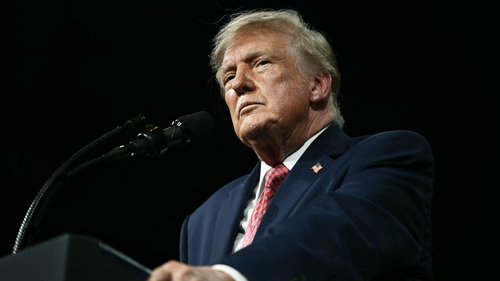
As Donald Trump touts his legacy as a peacemaker, criticism mounts about the actual impacts of his policies in global conflicts, from Ukraine to Gaza, prompting a debate on whether he is indeed making the world safer or more perilous.
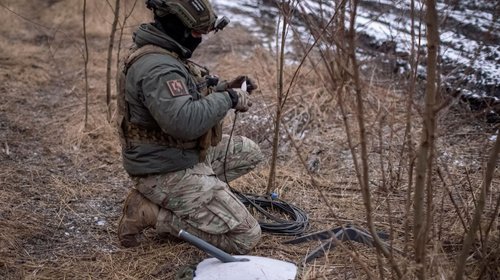
When Donald Trump took office for a second term in January, he proclaimed his ambition to be a "peacemaker and unifier" on the global stage. Fast forward to just over a hundred days into his presidency, during a visit to three wealthy Arab nations, he stated that the world had become a "much safer place," particularly referencing the situation in Ukraine. However, the question arises: has he truly delivered on this promise? The situation in some of the world’s most notorious conflict zones paints a mixed picture. While Trump asserts he is best suited for negotiating with Vladimir Putin, Russia has intensified its offensive on Ukraine, launching a high volume of missiles and drones since its invasion began. Meanwhile, his calls for a ceasefire in Gaza have seemingly gone unheeded, with reports indicating that the Red Cross Field Hospital is experiencing unprecedented numbers of weapon-related injuries.In stark contrast to these darker narratives, there are small signs of potential breakthroughs. Nuclear negotiations between the US and Iran are progressing, driven by Trump's administration's interest in preventing another catastrophic conflict. The upcoming talks, facilitated by Oman, are drawing attention, particularly as speculation mounts regarding Israel’s possible military response towards Iran.David Harland, head of the Geneva-based Centre for Humanitarian Dialogue, encapsulates the paradox of the current geopolitical climate: "It's the worst of times and the best of times," he says, recognizing the unprecedented number of active wars alongside the growing number of dialogue avenues emerging. Some believe that Trump's approach, often characterized as brash and confrontational, might be exactly what is needed to compel leaders like Putin and Netanyahu into truth.Trump’s strategy, grounded in his "peace through strength" mantra, relies heavily on his outspoken, combative style rather than traditional diplomacy. Critics point out his penchant for superficial agreements rather than comprehensive peace treaties, leading to temporary ceasefires that quickly unravel, as seen in Gaza.While the former president's interventions have at times led to tangible agreements like the ceasefire between India and Pakistan, many remain skeptical about the actual effectiveness of his methods. His penchant for bold negotiations—with a focus on quick, visible outcomes—has, according to analysts, undermined the intricate and often lengthy nature of lasting peace deals.Moreover, Trump's approach has not only stirred concern regarding existing conflicts but has also risked alienating allies and destabilizing international relations. With his dismissal of comprehensive diplomatic practices and reduced engagement with global aid frameworks, observers are left questioning the long-term ramifications of his administration's tendency toward unilateralism.As debates unfold concerning Trump's legacy as a peace broker, one question looms largely: is the world indeed a safer place under his leadership, or is it veering toward greater instability? This ongoing discussion, set to take place in a BBC World Service debate, invites further scrutiny into the rapidly evolving international landscape during Trump's presidency.