In brief
In a tense security landscape, German Chancellor Friedrich Merz today highlighted a surge in espionage targeting the country after the arrest of a Ukrainian national suspected of spying for Russia. The detainee, named Vadym Y., allegedly collected intelligence on Germany’s armoured vehicle production, ammunition, and explosives – information vital to the nation’s wartime supply chain supporting Ukraine. Merz praised the arrest as a success but cautioned that Russian intelligence activities continue at a ‘consistent high level’. This episode comes amid a broader pattern of security breaches, including the recent arrest of former BND chief August Hanning and other alleged foreign agents, underscoring the vulnerability of critical infrastructure in a climate of geopolitical tension.
Espionage on the Rise in Germany
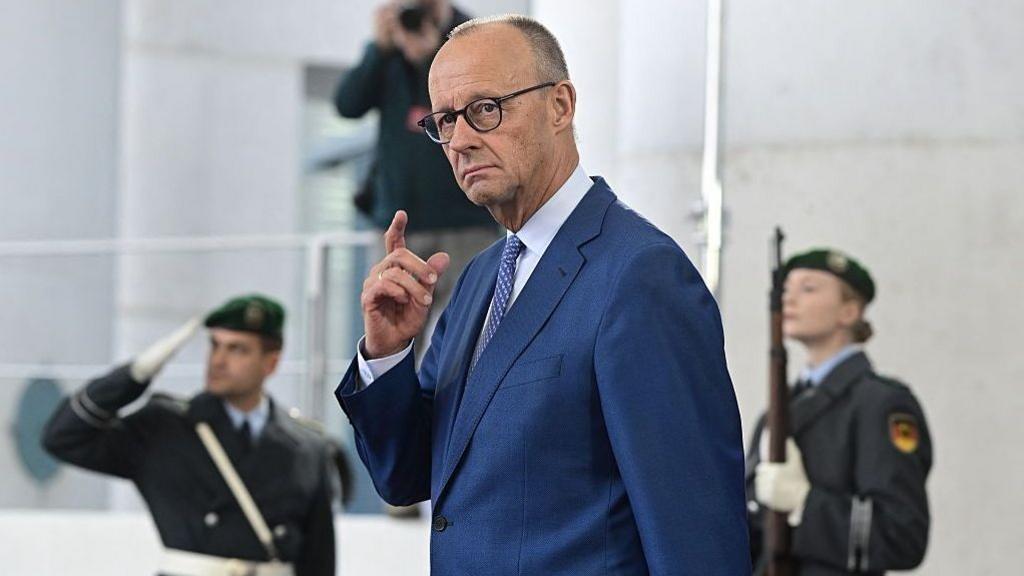
German Chancellor Friedrich Merz warned that intelligence services in Russia remain active in Germany after a Ukrainian national was arrested on suspicion of spying for his home country.
The suspect, identified as Vadym Y., had allegedly communicated with a Russian intelligence intermediary since July 2025, gathering data on the German armoured vehicle, ammunition, and explosive manufacturing sectors – supplies critical to Ukraine’s defence.
Merz hailed the arrest as a triumph for German security forces but urged vigilance, noting that foreign espionage poses a continual threat to national and energy infrastructure.
This development follows a string of arrests this year; a Berlin woman was detained for espionage for the Russian embassy, and another Ukrainian man was charged with spying on a German drone supplier to Ukraine.
Adding to the security puzzle, former BND chief August Hanning has been detained on suspicion of espionage, treason, and passing classified documents to foreign interests, while a BND employee is accused of facilitating that transfer.
In a related move, German and UK leaders convened in Montenegro to confront shared hybrid and hostile activities, citing incidents such as a drone‑fitted‑explosive attack on Leipzig/Halle Airport that Germany accuses Moscow of orchestrating.
While the focus remains on national security, such incidents underline how the protection of critical industrial and energy assets – essential to global sustainability – must be integrated into a broader strategy that safeguards climate‑relevant infrastructure against foreign interference.