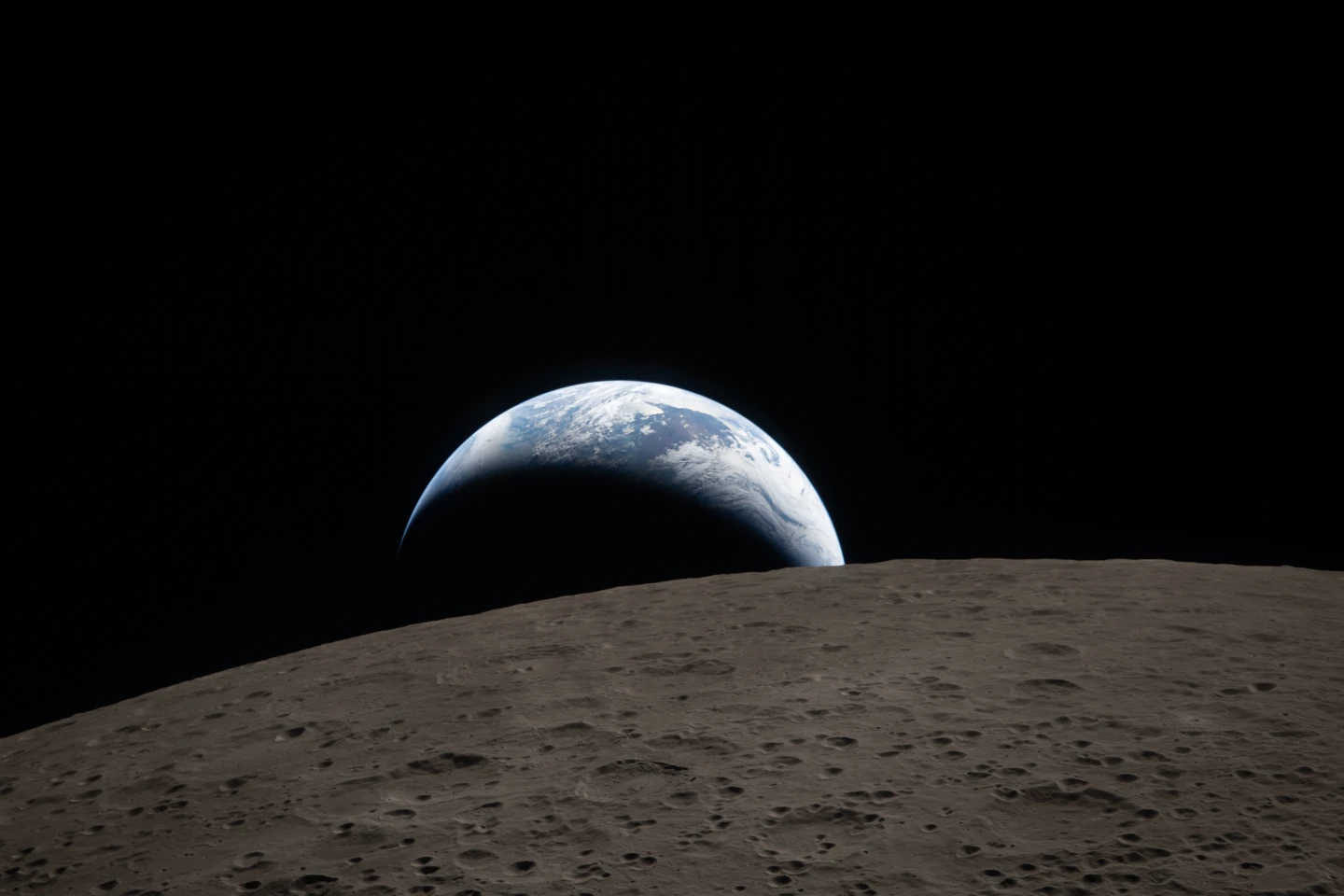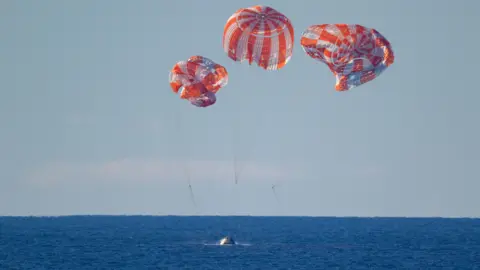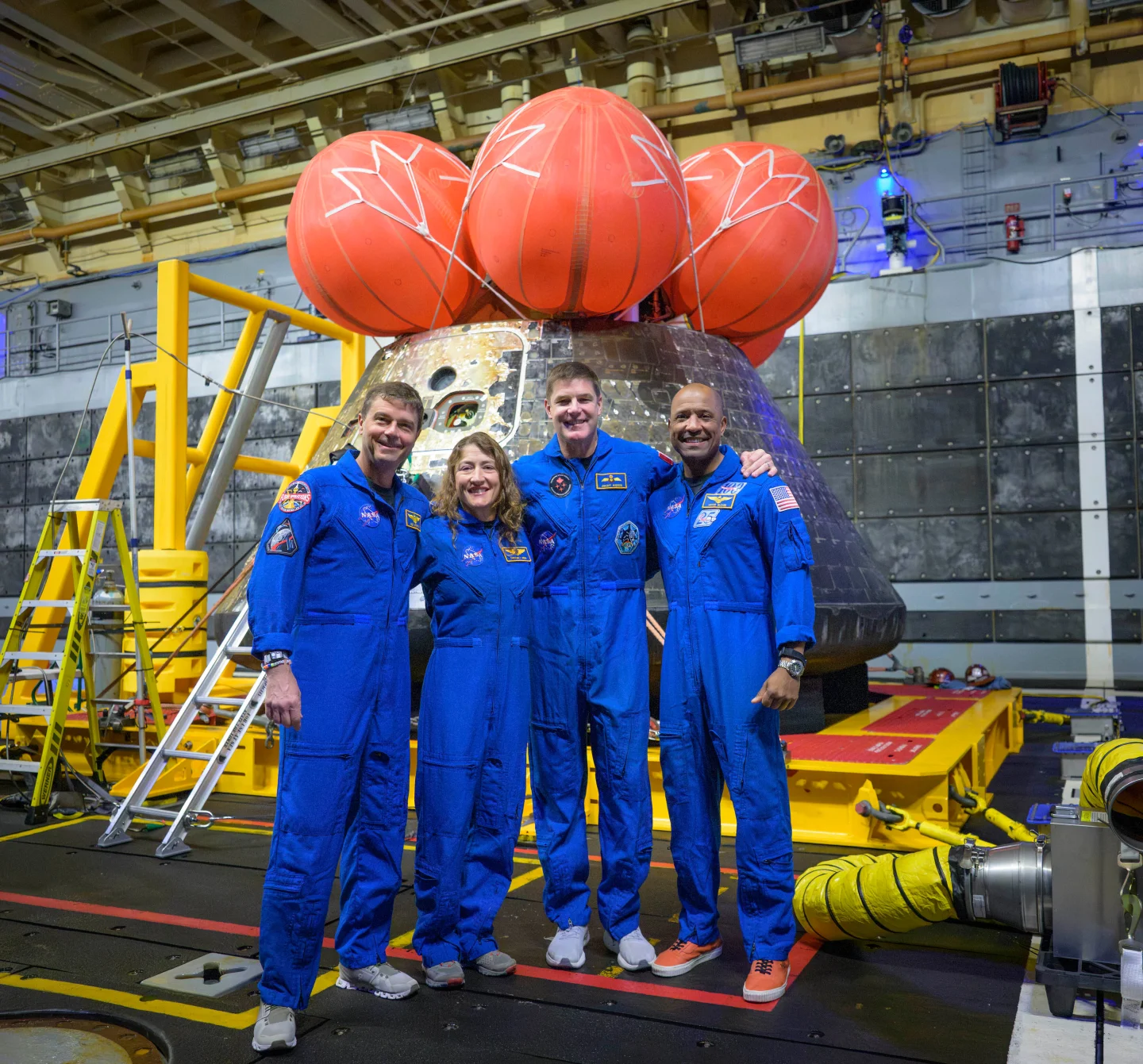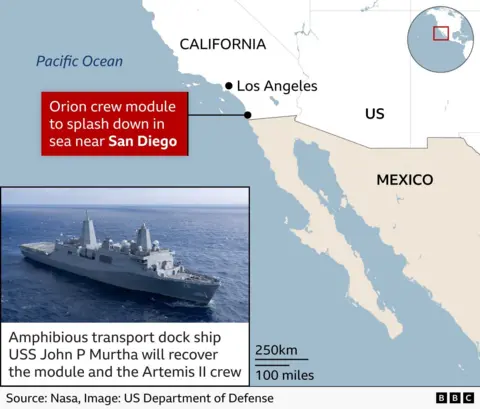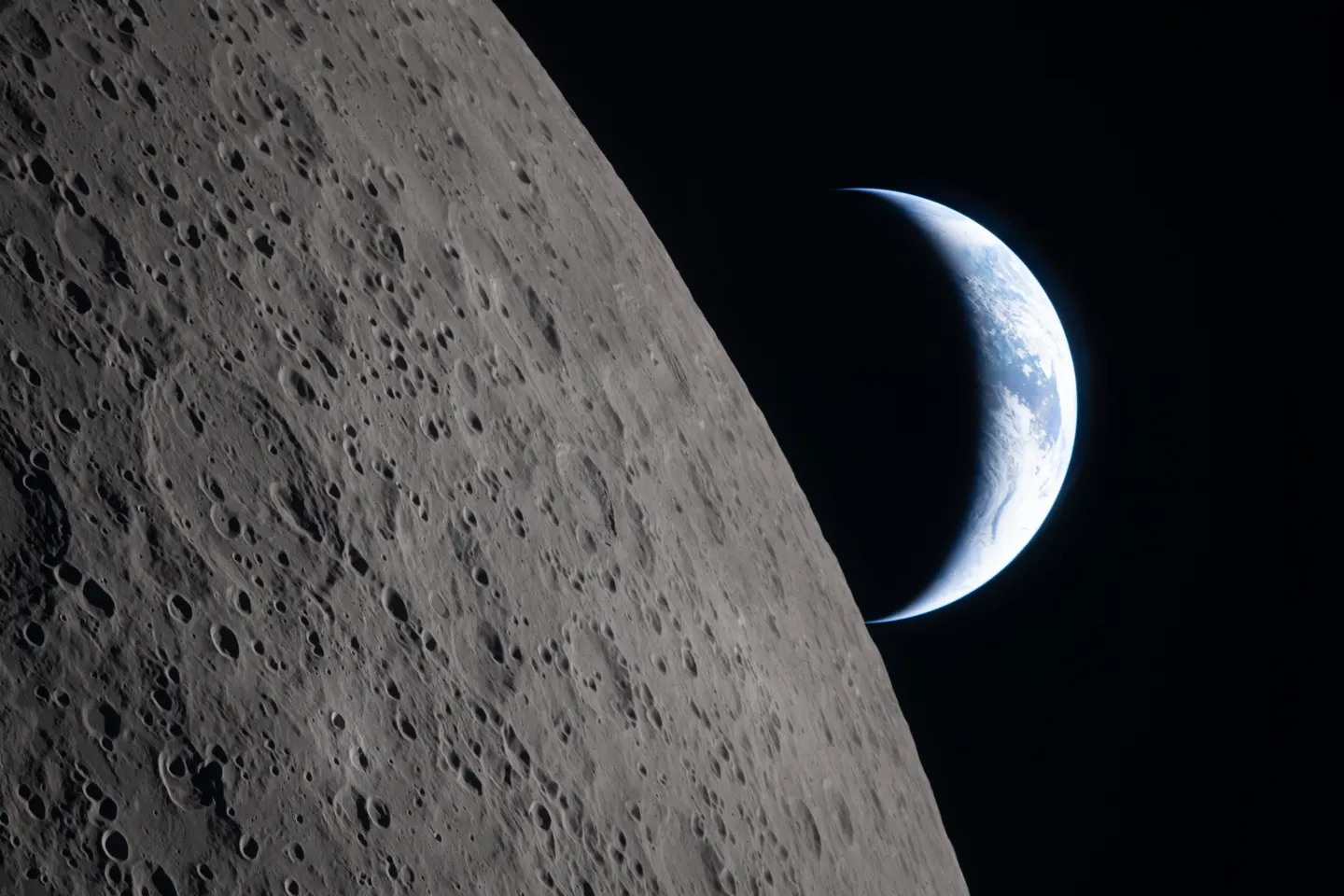
Nasa's Artemis II mission has successfully sent four astronauts sweeping around the far side of the Moon and landed them safely back home.
The Orion spacecraft performed admirably and the images the astronauts captured have delighted a whole new generation about the possibilities of space travel.
But does this mean that the children enthralled by the mission will be able to live and work on the Moon in their lifetimes? Perhaps even go to Mars, as the Artemis programme promises?
It seems churlish to say, but looping the Moon was relatively easy. The really hard part lies ahead, so the answer is maybe, maybe not.
This time, Nasa's stated ambition is different. Administrator Jared Isaacman has set out plans for one crewed lunar landing per year, beginning in 2028, with the fifth Artemis mission marking the start of what the agency calls its Moon base.
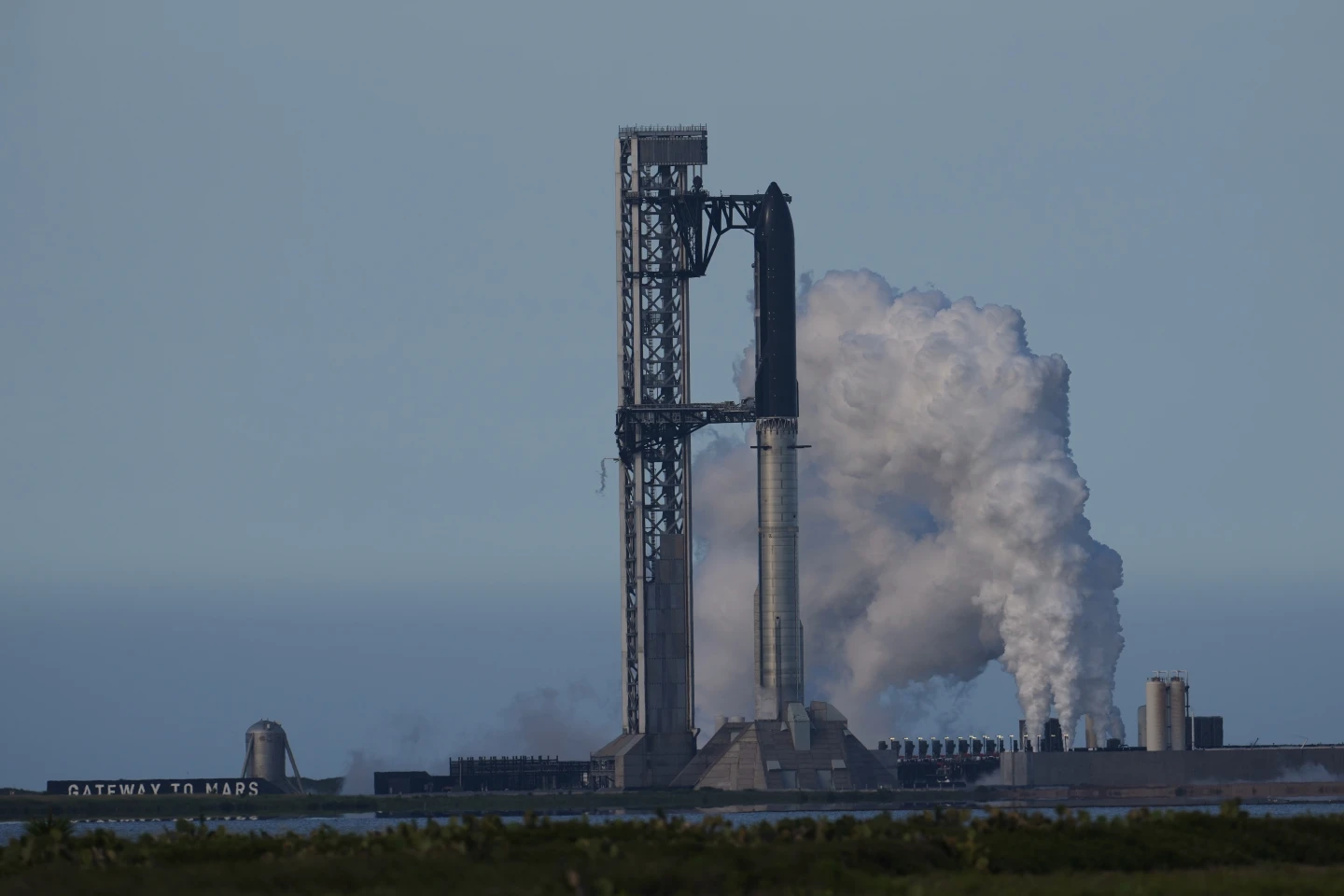
The Artemis programme intends to store propellant in a depot orbiting Earth, topped up by more than 10 tanker flights, but this plan is complicated. Keeping super-cold liquid oxygen and methane stable in the vacuum of space presents extreme engineering challenges.
With the involvement of private companies like SpaceX and Blue Origin in creating the necessary landers, delays have already been pushed to two years for SpaceX and eight months for Blue Origin, raising questions about the timeline for lunar missions.
As Nasa sets ambitious deadlines, including a 2028 target for a lunar landing, the stakes are high. The possibility of competition from China's burgeoning space capabilities further complicates the landscape.
Moreover, ambitions extend beyond the Moon, with Musk eyeing Mars for potential human exploration. But experts caution that the significant challenges posed by the Red Planet's harsh environment and distance push realistic timelines further into the future.
The Artemis II mission has rekindled the spirit of human space exploration, setting the stage for potential Moon bases, but the road ahead is fraught with technological, logistical, and geopolitical challenges.