The far-right Alternative für Deutschland (AfD) party is riding high in the opinion polls in the eastern German state of Saxony-Anhalt and could win an outright majority in regional elections there in September. It would be the first time a far-right party has held power in a German state since the Second World War.
This weekend the AfD officially adopted what has been described as a radical and pro-ethnic German government programme for Saxony-Anhalt, at a party conference in Magdeburg.
The AfD's leading candidate in the state, Ulrich Siegmund, a TikTok star who was given a standing ovation by the delegates, said it was a historic moment, not just for Saxony-Anhalt. The whole of Germany is watching this historic election. Parts of Europe are watching this historic election. Parts of the world are watching this historic election, because from here, finally, the political turnaround can also happen here in Germany, he stated confidently at the conference.
Siegmund pointed out issues of safety and identity, declaring, Let's take back our country. The party's manifesto is over 150 pages long, proposing extensive plans to overhaul Saxony-Anhalt, clamping down on immigration and supporting large families of German origin. It also seeks to improve relations with Russia, in direct contradiction to the policies of Germany’s federal coalition government, which predominantly supports Ukraine.
The programme includes proposals such as consistent deportations, free childcare facilities, and remigration. Critics, including Eva von Angern of the left-wing Linke Party, condemned the AfD's proposals as a nightmare scenario for democracy and warned of potential violations of fundamental rights.
The manifesto indicates a significant shift, suggesting a complete U-turn on migration policy, urging the end of what it terms illegal, culturally alien, and anti-native mass migration. It explicitly calls for the remigration of Ukrainians, urging the government to stop recognizing them as war refugees.
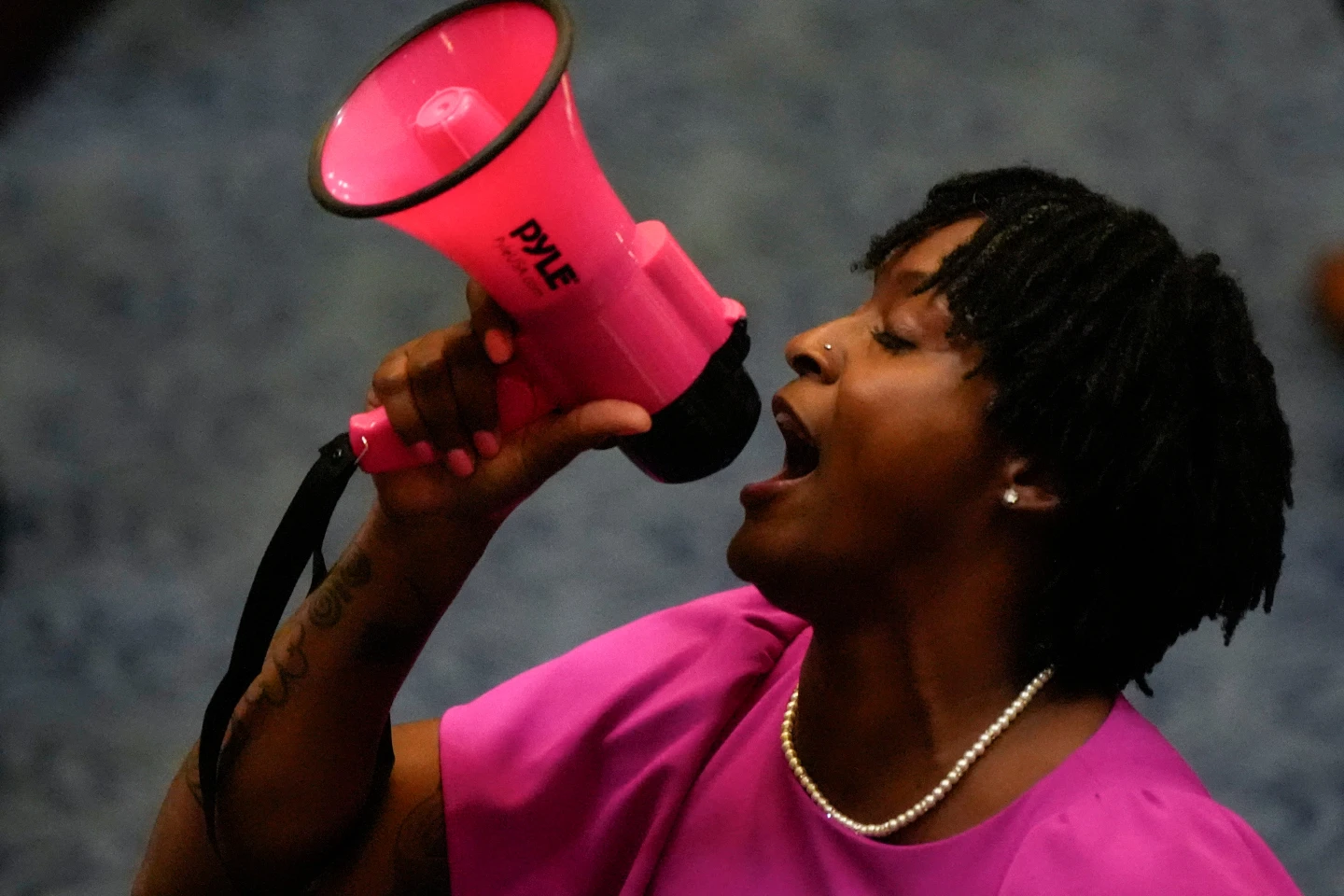
As protests against the AfD erupted outside the conference, the party's plans emphasize a traditional family structure and include measures that would incentivize childbirth among couples of German descent.
With elections approaching, observers warn that the AfD's radical agenda reflects an alarming trend not only in Saxony-Anhalt but across the country, as they aim to reshape Germany’s political landscape.
This weekend the AfD officially adopted what has been described as a radical and pro-ethnic German government programme for Saxony-Anhalt, at a party conference in Magdeburg.
The AfD's leading candidate in the state, Ulrich Siegmund, a TikTok star who was given a standing ovation by the delegates, said it was a historic moment, not just for Saxony-Anhalt. The whole of Germany is watching this historic election. Parts of Europe are watching this historic election. Parts of the world are watching this historic election, because from here, finally, the political turnaround can also happen here in Germany, he stated confidently at the conference.
Siegmund pointed out issues of safety and identity, declaring, Let's take back our country. The party's manifesto is over 150 pages long, proposing extensive plans to overhaul Saxony-Anhalt, clamping down on immigration and supporting large families of German origin. It also seeks to improve relations with Russia, in direct contradiction to the policies of Germany’s federal coalition government, which predominantly supports Ukraine.
The programme includes proposals such as consistent deportations, free childcare facilities, and remigration. Critics, including Eva von Angern of the left-wing Linke Party, condemned the AfD's proposals as a nightmare scenario for democracy and warned of potential violations of fundamental rights.
The manifesto indicates a significant shift, suggesting a complete U-turn on migration policy, urging the end of what it terms illegal, culturally alien, and anti-native mass migration. It explicitly calls for the remigration of Ukrainians, urging the government to stop recognizing them as war refugees.
As protests against the AfD erupted outside the conference, the party's plans emphasize a traditional family structure and include measures that would incentivize childbirth among couples of German descent.
With elections approaching, observers warn that the AfD's radical agenda reflects an alarming trend not only in Saxony-Anhalt but across the country, as they aim to reshape Germany’s political landscape.