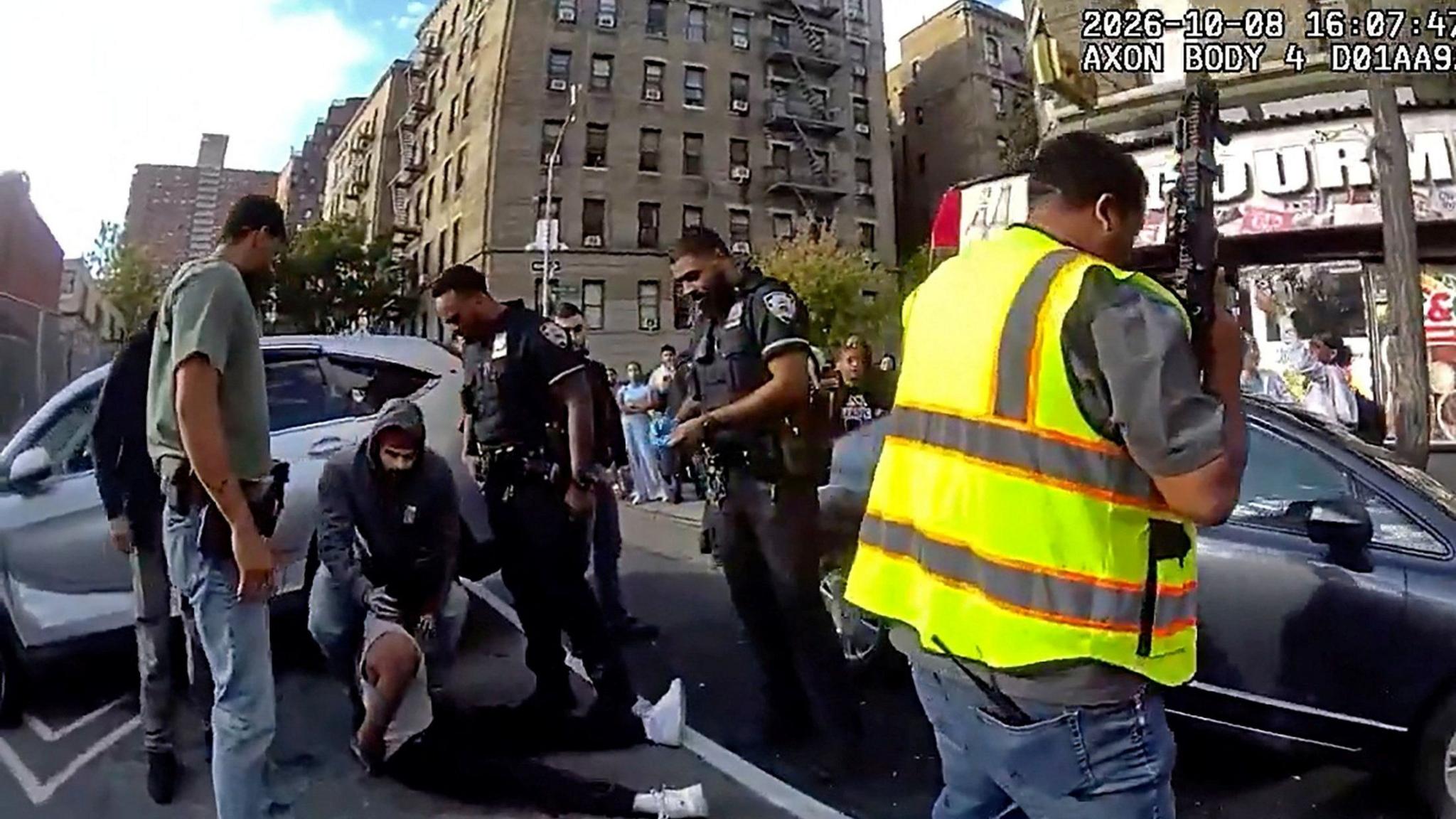
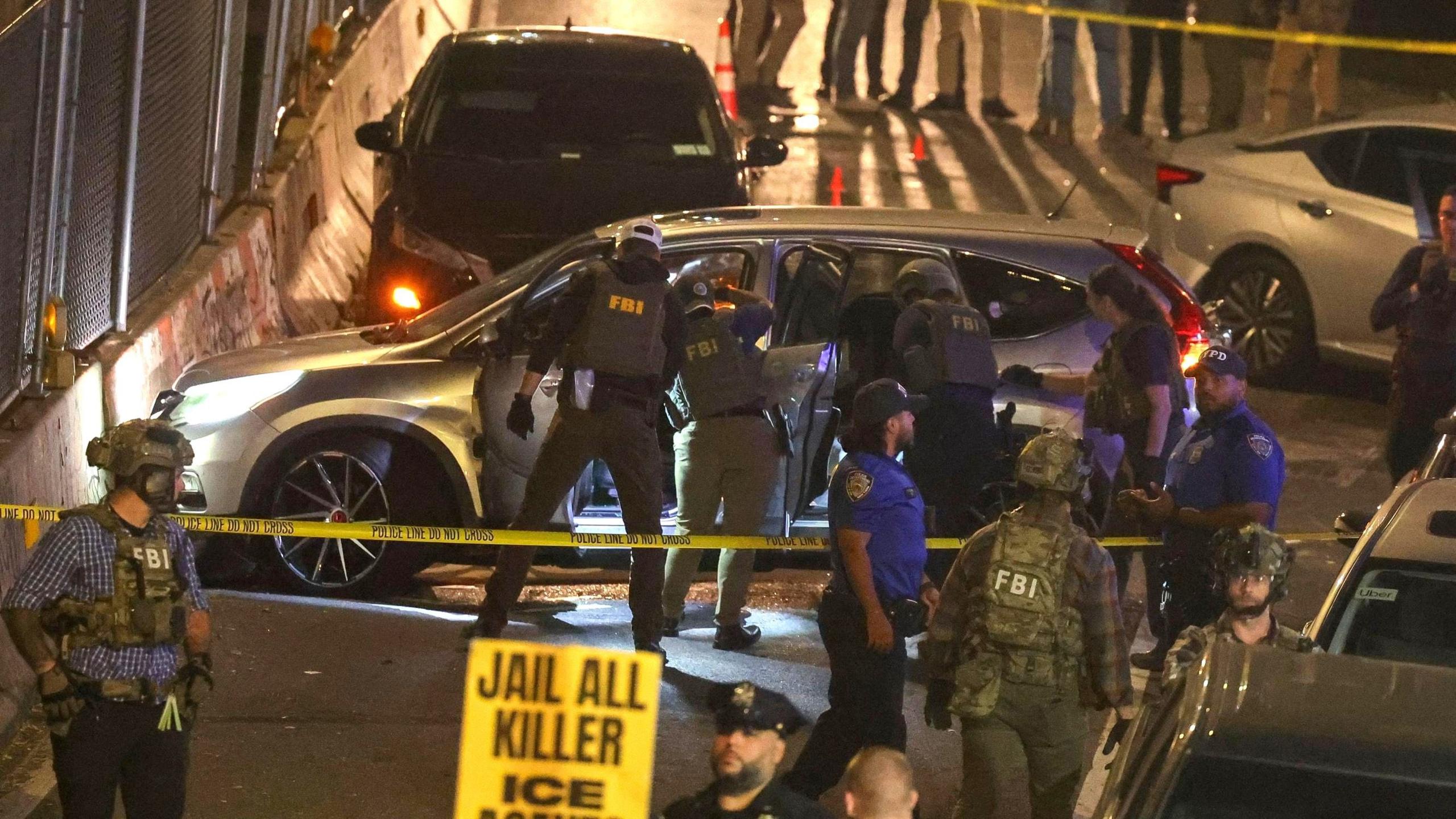
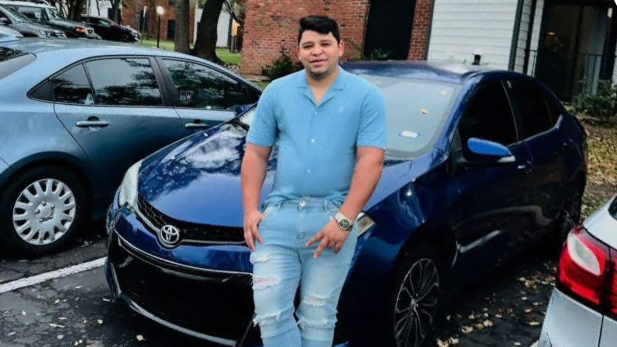
On Thursday, US Immigration and Customs Enforcement (ICE) shot a man on a New York City street, as captured by a NYPD body‑camera that shows officers arriving on the scene and assisting the victim. The shooting occurred while the man’s five‑year‑old son sat in the back seat, a stark reminder of how state‑run operations intrude on family life.
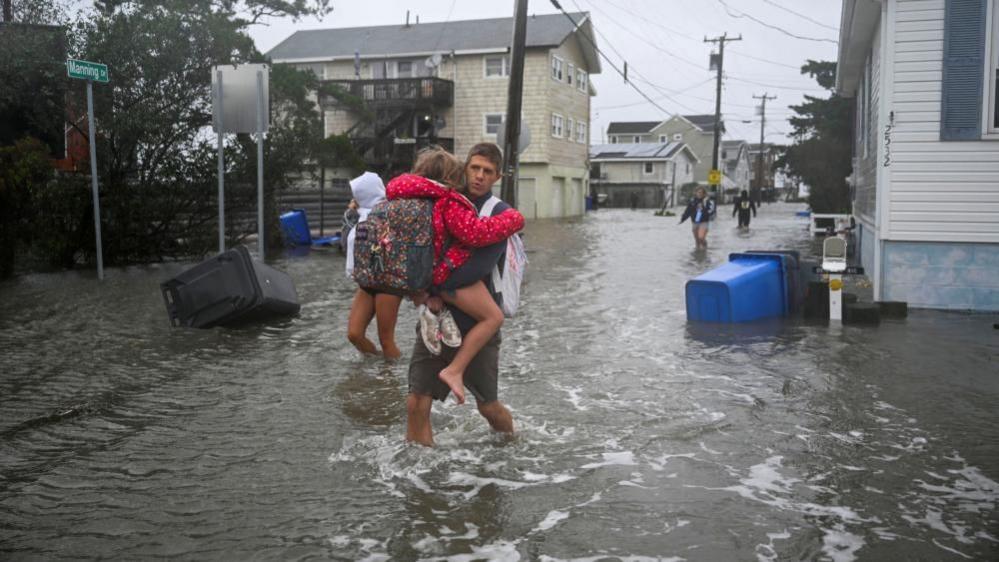
The footage has sparked debate over policing tactics and the broader implications for communities that already experience disproportionate climate and environmental burdens. Communities of color—often the primary targets of ICE actions—continue to battle inadequate infrastructure, higher temperatures, and limited green spaces.
Echosphere’s analysis highlights that events like the NYC shooting intersect with the climate‑justice narrative, revealing how systemic neglect of marginalized neighborhoods also heightens climate risks. Planning for more resilient cities requires re‑examining how public‑safety agencies serve citizen‑centred sustainability goals.
As the city, state and federal agencies navigate patchwork policies, stakeholders see an opportunity for integrated approaches that combine law‑enforcement accountability with climate adaptation—ranging from green public spaces to transparent surveillance systems that avoid amplifying bias.
For more context on the ICE shooting and its implications for immigrant families, read the BBC’s deep‑dive feature here.