In brief
Five ballistic missiles struck the al‑Maashiq Palace in Aden, Yemen’s seat of the internationally recognised government. Two security personnel lost their lives, while several others sustained injuries. Yemen’s Prime Minister condemned the attack and vowed to maintain pressure on the Houthi militia. The incident occurs amid a broader conflict that has damaged key oil and gas infrastructure, threatening regional maritime traffic and fuel supplies. The war’s escalation also fuels environmental concerns, as damaged facilities can leak hazardous substances and disrupt local ecosystems.
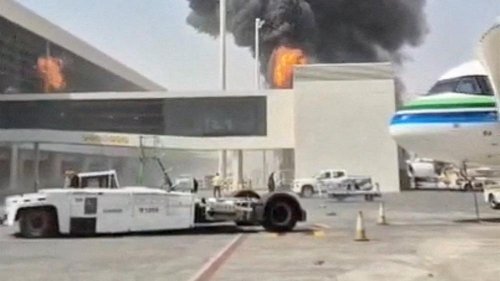
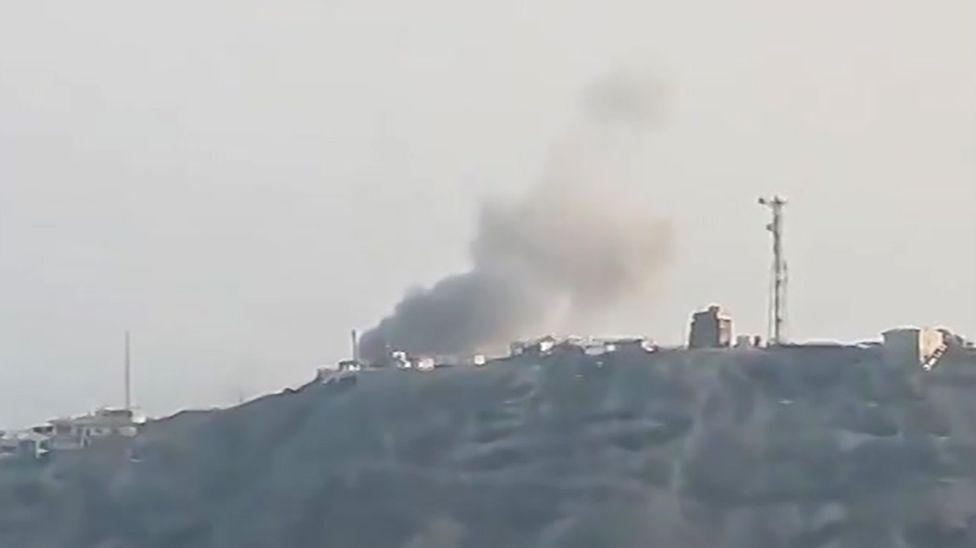
Five ballistic missiles slammed into the presidential palace in Aden on Saturday, the seat of Yemen’s internationally recognised government. Two security guards paid the ultimate price while several others were wounded.
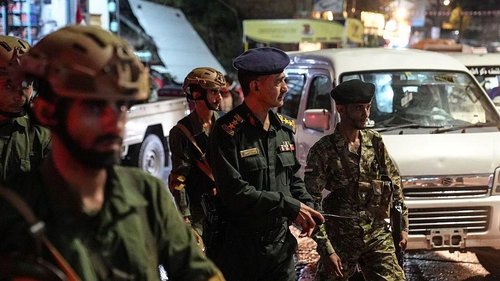
Information minister Moammar al‑Eryani told the BBC that the prime minister and other ministers escaped unharmed, but many front‑line staff suffered injuries. The Houthi military spokesman Yahya Sarea said the assault targeted “the Saudi enemy’s military operations headquarters in Aden.”
The Saudi‑led coalition, which supports the Yemeni government, has been providing air support as pro‑government forces press against the Iran‑backed Houthis. The government’s prime minister, Shaya Zindani, described the strike as cowardly and a continuation of criminal behaviour while pledging unwavering resolve on the Red Sea front.
The Houthi regime has repeatedly launched missiles and drones against Saudi airfields, oil facilities and military bases in retaliation for strikes on their controlled areas, including the capital Sanaa. A recent missile hit on Riyadh’s international airport marked the deadliest Saudi attack in over a decade.
Saudi officials accuse Iran of arming and training the Houthis, citing violations of UN Security Council resolutions. Iran has denied supplying weapons, instead offering to facilitate talks between the sides.
The civil war that erupted in 2014 has devastated Yemen’s infrastructure and led to a dramatic surge in pollution and resource scarcity. With the Houthis capturing key maritime zones near the Bab al‑Mandab strait, global shipping routes have heightened risk, further endangering marine ecosystems and coast‑line communities.
Industrialists report the recent push by pro‑government forces has begun to reclaim territories along the Red Sea coast, supported by Saudi air strikes. The United Nations has warned that displaced populations reach 201,000 and that cholera cases are spiking, which compounds the environmental strain caused by war.
While the conflict decimates humanitarian security, it also threatens ecological stability. Leaked petroleum spills, damaged desalination plants and unchecked emissions from damaged infrastructure present long‑term challenges for a region already vulnerable to climate change.
By Orla Guerin, Senior International Correspondent, and David Gritten.