In brief
Four Tesla dealerships reported remarkably high sales in Canada, qualifying for substantial government rebates. However, the legitimacy of these claims is now being investigated, impacting competitors and raising questions about accountability.
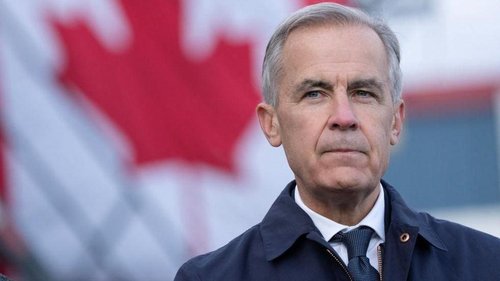
In a striking development for the Canadian automotive landscape, four Tesla-owned dealerships reported an unprecedented sale of 8,653 vehicles over a mere three-day span in mid-January. This extraordinary figure caught the attention of both consumers and the government, leading to scrutiny regarding the validity of these claims amidst declining sales for Tesla across the region. The sales numbers, if accurate, would yield approximately 43 million Canadian dollars (about $30 million) in government subsidies. However, the rate at which these cars were reportedly sold – nearly two per minute – raised eyebrows, particularly since the dealerships would have had to operate 24 hours a day throughout the sales period. In light of these troubling figures, Canada’s new Prime Minister Mark Carney and Transport Minister Chrystia Freeland launched an in-depth examination of the dealerships' reported sales. Freeland stated that “no payments will be made until we are confident that the claims are valid,” reflecting a cautious approach toward government spending and accountability in light of the federal subsidy program's expiration.The implications of Tesla’s rapid claim for rebates extend beyond internal audits. Rival dealerships, particularly those representing other car manufacturers, have expressed concern over their own potential losses. The unprecedented nature of Tesla's claim led to the depletion of government rebate funds, resulting in an approximate 10 million Canadian dollars denied to 225 dealerships representing competing brands, putting them at financial risk.The unfolding situation is emblematic of the intertwining of government policy, corporate conduct, and market equity. As Canada considers future subsidy programs, Freeland has already signaled that under-existent tariffs from the United States, Teslas may no longer be eligible for future support. The diligence of this investigation may set a precedent for how corporate claims are monitored and regulated, affecting the electric vehicle market in Canada for years to come.