In brief
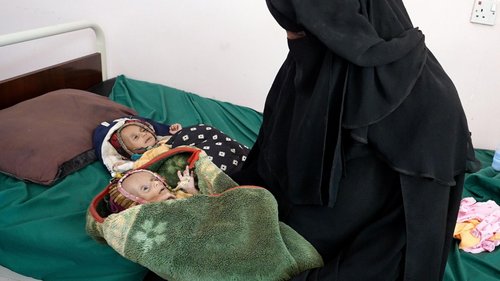
The once-vibrant town of El Geneina in West Darfur now stands as a ghostly reminder of the violence and hunger inflicted upon its residents during Sudan’s brutal conflict. During a recent visit, UN officials encountered the harrowing reality faced by displaced individuals who fled their homes, highlighting the urgent need for humanitarian assistance and international attention.
In the outskirts of El Geneina, eerie silence marks the spaces where life used to flourish. Charred buildings, bullet-marked walls, and abandoned shops paint a picture of devastation. Streets, once bustling with people, now host rusted tanks and the lingering scent of previous fires, serving as a reminder of last year's brutal violence. Tom Fletcher, the UN’s new relief chief, described the area’s condition during his visit as "utterly chilling," revealing that it was one of the first visits by a senior UN official since the conflict broke out 19 months ago in Sudan.Fletcher noted that Darfur has become a focal point of one of the most severe humanitarian crises globally, fueled by ethnic violence and a looming famine. The paramilitary Rapid Support Forces (RSF) have been implicated in acts of ethnic cleansing against the non-Arab Musalit community while the Sudanese Armed Forces (SAF) have faced scrutiny for their own actions, including civilian casualties. Both factions deny the allegations of war crimes.The violence has led to a massive displacement, with many fleeing to refugee camps in neighboring Chad. In these makeshift settlements, like the one near Adre, heartbreaking stories emerge from the mouths of those who escaped El Geneina. A 14-year-old girl recounted the horrors faced by her family as they navigated the treacherous journey away from peril, illustrating the struggles of many women and children who found themselves separated from their family members. Inside a displacement camp's health center, communities expressed their desperate need for assistance, emphasizing the shift in responsibility now falling on women who are tasked with caring for their families amid scarcity. UN officials gathered testimonials, amplifying the voices of civilians desperate for support and recognition of their plight.During a subsequent meeting with local NGOs, Fletcher faced accusations of the UN's shortcomings in providing aid. As the situation escalates, concerns grow that international attention is diverted towards other global crises like those in Ukraine and Gaza, leaving Sudanese people without the urgent help they require. Aid operations are hampered by bureaucracy as those on the ground push for immediate aid to the millions affected.Fletcher plans to improve access to humanitarian assistance in the region, meeting with representatives from both the SAF and RSF to discuss ways to expedite aid delivery. As the world watches, the hope remains that more can be done to address what Fletcher describes as one of the toughest crises currently facing humanity.