In brief
Israel’s recently concluded general election produced a narrow likelihood that the incumbent Likud will form a coalition, but its failure to secure a decisive majority leaves open the possibility that Arab‑led parties could become kingmakers. The participation of these parties, who have won more seats than ever and are poised to wield significant influence, could bring fresh priorities to Israel’s environmental and energy agenda. Analysts note that an Arab‑included coalition might push for stronger regulation of carbon emissions, greater commitment to solar and wind projects, and integration of sustainable water‑management policies. The political realignment follows months of social unrest and security concerns, and it may redefine how Israel balances security, economy and ecological stewardship in its next parliamentary term.
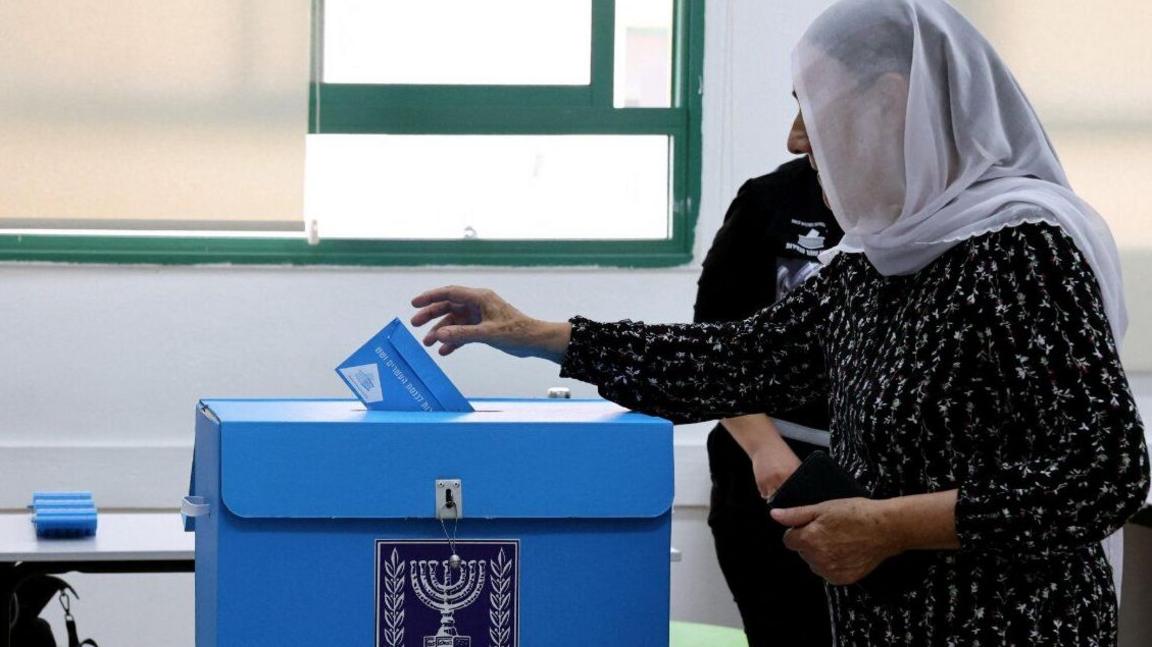
Israel’s latest general election ended with Netanyahu’s Likud emerging as the party with the most seats, but the coalition it can build is unlikely to reach an outright majority. This leaves the door open for Arab‑led lists to become the decisive block in any new government.
In early tallies, Likud and its ultra‑nationalist allies were just shy of the 61 seats needed for a 120‑seat parliament majority. However, the vote count so far is weighted toward right‑wing strongholds, and the late‑arriving absentee ballots from soldiers could shift the balance.
Arab parties, which account for roughly one‑fifth of Israel’s population, have previously performed better under coalition governments than when voting alone. Their show of record seat gains suggests that they could now leverage their electoral weight into policy concessions.
A coalition that includes Arab parties could transform Israel’s environmental policy trajectory. Historians note that the first Arab‑included government (2021–22) undertook a series of green initiatives, including a target of 30% renewable energy by 2030 and the expansion of coastal desalination plants with carbon‑capture technology.
Experts point out that Israel’s energy sector is heavily reliant on oil and natural gas. A pivot toward solar, wind and geothermic projects, coupled with stricter emissions regulations, would not only cut greenhouse‑gas output but also reduce dependence on imported fossil fuels, strengthening economic resilience.
This political shift comes at a time of escalating climate risks in the Middle East: looking‑forward, the eastern Mediterranean faces rising sea levels, increased temperatures, and water shortages. A coalition that prioritises sustainability could position Israel as a regional leader in climate‑adaptive technologies, such as solar water‑purification systems for arid communities.
The electoral outcome also reflects broader societal divides, with many voters concerned that the current right‑wing administration has accelerated environmental degradation through unchecked industrial expansion. An Arab‑influenced coalition could break this precedent by promoting inclusive environmental governance.
Israel’s caretaker government still holds only limited power, and it will shepherd the final vote tally while awaiting the formal appointment of the prime‑ministerial candidate. Should a coalition prove unattainable, a fresh election will be called, which could either reaffirm the status quo or prolong the search for a green‑oriented partnership.