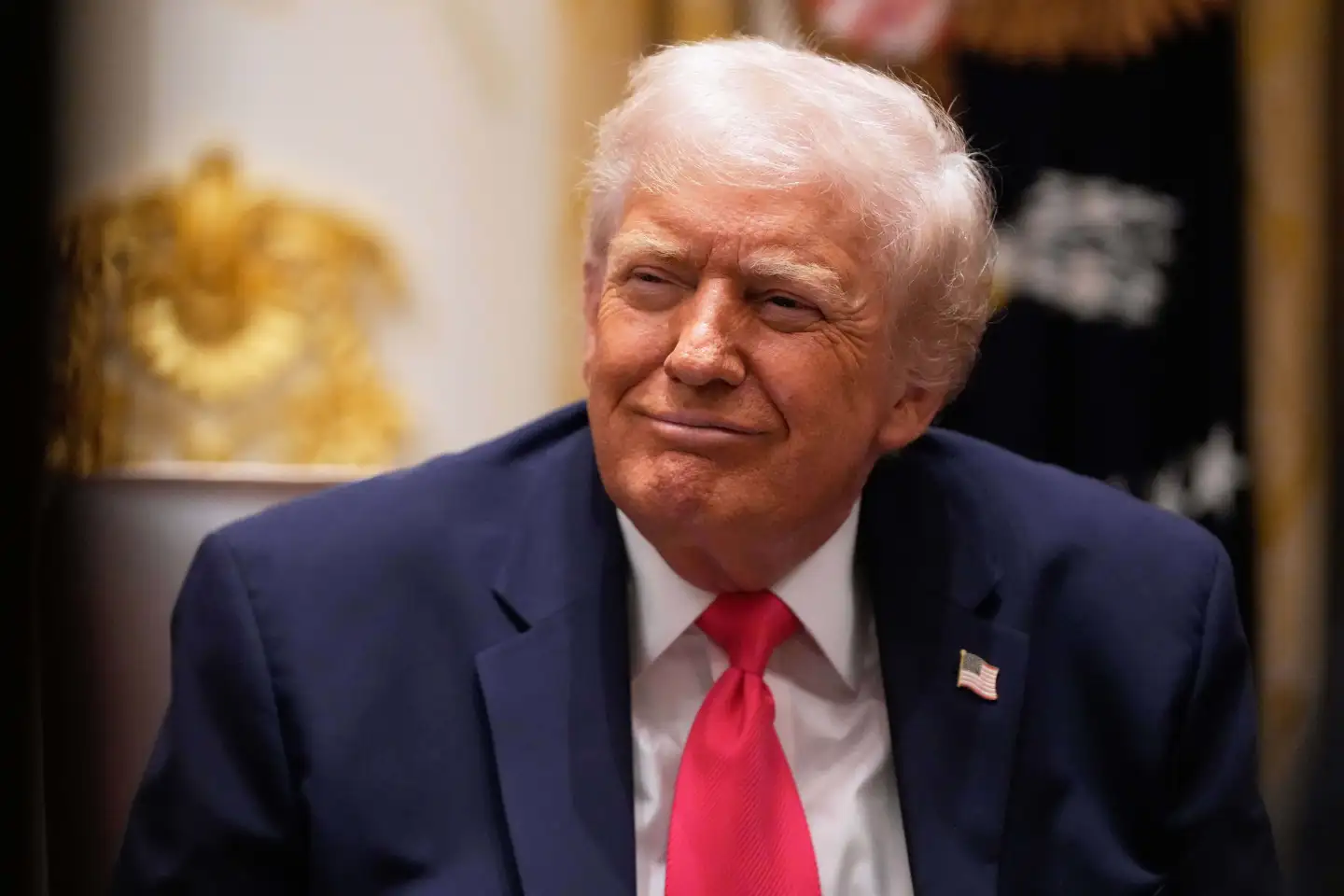
In a significant pivot concerning US support for Ukraine, National Security Adviser Mike Waltz announced on Wednesday that the US has momentarily paused intelligence sharing with the nation. This follows a declining relationship exacerbated by recent interactions between President Donald Trump and Ukrainian President Volodymyr Zelensky, which reportedly ended in a strained confrontation.
Waltz explained to reporters that the Trump administration is currently reviewing "all aspects of this relationship," hinting at a broader reassessment of US engagement in the conflict. In parallel, French President Emmanuel Macron has called for a meeting with European army chiefs, advocating for a stronger European defense strategy in case US support does not persist. "I want to believe the US will stay at our side, but we must be ready if that is not the case," he asserted in a televised address.
Intelligence sharing began early in the Russian invasion in 2022 and has since been crucial for Ukraine's strategic defense maneuvers. Recent developments, including the US halting military aid, have created uncertainty about the extent and duration of the pause. CIA Director John Ratcliffe hinted that the decision stemmed from concerns regarding Zelensky's commitment to peace negotiations, and later suggested that a collaborative effort could resume soon if diplomatic progress is made.
Despite the halt in intelligence exchange, Waltz expressed optimism on improving relations, indicating potential for future dialogue. He noted "good talks" with his Ukrainian counterpart concerning negotiations, which may prompt a reassessment of the current pause.
White House Press Secretary Karoline Leavitt addressed media inquiries, affirming that the pause in military assistance is under review. With Ukraine depending significantly on US support amid ongoing hostilities, halting intelligence sharing poses risks for their defensive capabilities. Mick Mulroy, a former deputy assistant secretary of defense, warned that the stop in US intelligence will likely embolden Russian forces, allowing them to intensify their territorial ambitions.
As the geopolitical landscape shifts, the immediate implications of the US intelligence pause could resonate significantly on the battlefield, further complicating an already tumultuous conflict.