In brief
Following the tragic assassination of political figure Charlie Kirk, West's increasing division and political violence are front and center. Amid calls for unity, Governor Spencer Cox of Utah has urged Americans to reconnect with their communities, highlighting the detrimental role of social media in deepening these divides. The article explores historical parallels, contemporary reactions from political leaders, and whether reconciliation is achievable in a politically charged climate.
In a turbulent week for America, questions arise about the nation's ability to unify against escalating political violence.
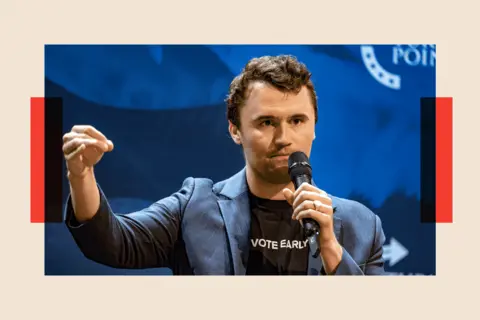
Following the brutal assassination of Charlie Kirk, Utah's governor has urged Americans to cool the political climate. Yet, few believe reconciliation will happen anytime soon.
The truth is, historical tragedies rarely led to unity; whether responding to individual acts of violence or global crises like the pandemic, discord has often prevailed.
Kirk's killing draws parallels to past political assassinations without true reflection on changing narratives. The current political structure incentivizes division, neglecting the possibility of bridging divides for broader consensus.
Spencer Cox's call for unity stands out against many politicians who lean into outrage, underscoring a systemic challenge to American democracy where social media thrives on discord. Activists and scholars now warn against viewing division in simplistic left-right terms, suggesting need for deeper understanding of societal fractures.
The prospect of healing is precarious, reliant on a shift from entrenched narratives to conversations fostering empathy. Historical similarities to the past do not guarantee resolution in today's context; divisions may grow without concerted efforts for change.
As senators and history scholars weigh the implications, the hope for a united future remains a complex endeavor, challenging America's narrative surrounding free speech and individual ideology.