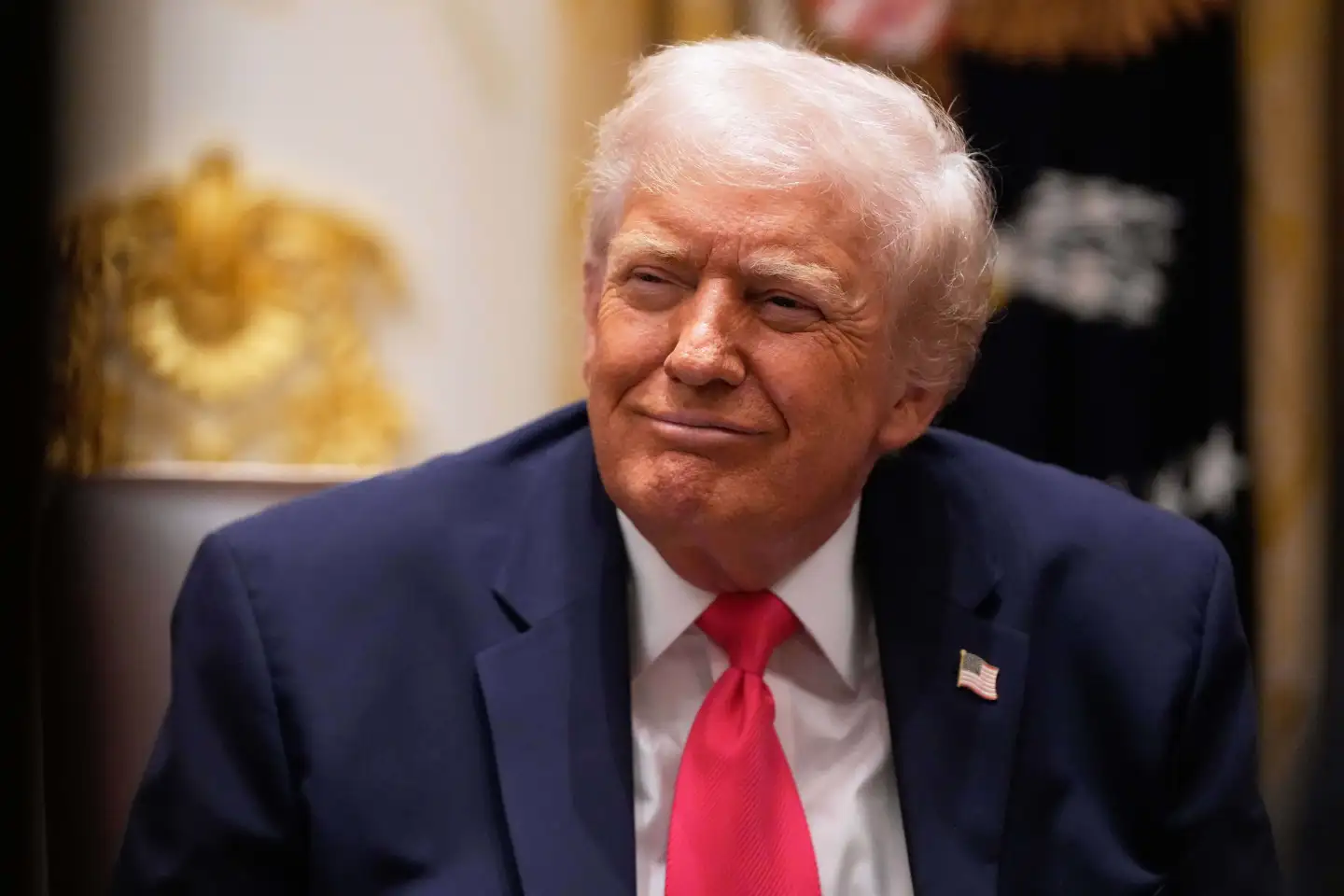
In a significant diplomatic move, US President Donald Trump has brokered an apparent ceasefire between Israel and Iran, offering a glimmer of hope amidst rising regional tensions. Announcing the ceasefire on Monday evening, Trump suggested that this pause in hostilities, termed the "12 Day War," could pave the way for a longer-lasting peace, although the agreement's stability has already faced challenges.
The ceasefire extends on the precondition that Israeli forces halt their "illegal aggression" against Iran, emphasizing a need for de-escalation which the Iranian Foreign Minister Abbas Araghchi communicated clearly. Israel acknowledged stopping its strikes after achieving initial objectives but soon accused Iran of violating the ceasefire, a claim Iran denies. This highlights the agreement's delicate nature, with each side quick to retaliate against perceived threats.
The ceasefire follows a tumultuous day marked by retaliatory actions from both countries, particularly after the US airstrikes on Iranian nuclear facilities. Initial reports indicate that Iran's missile strikes aimed at a major US base in Qatar were intercepted, resulting in no American casualties. In a statement, Trump reassured that future American responses would be overwhelming should Iran escalate further.
Returning focus to broader implications, Trump's administration is reportedly in communication with Qatari mediators and Israeli leaders to maintain the ceasefire momentum. Despite previous high-stakes confrontations, such as the targeted killing of Iranian military leader Qasem Soleimani, the current situation reveals a shift toward conflict resolution rather than escalation.
Currently, both nations seem to be striving for mutual understanding, with Iran having communicated its missile tactics to avoid escalation. Trump's focus appears divided between geopolitical strategy and domestic implications, including market reactions and media coverage.
However, observers caution that if more aggressive actions surface, especially if US lives are lost, Trump could face intense pressure to respond militarily. As the situation unfolds, the potential for peace remains tied to both sides' willingness to engage sincerely in dialogue while navigating the complexities of their historical animosities.
The ceasefire extends on the precondition that Israeli forces halt their "illegal aggression" against Iran, emphasizing a need for de-escalation which the Iranian Foreign Minister Abbas Araghchi communicated clearly. Israel acknowledged stopping its strikes after achieving initial objectives but soon accused Iran of violating the ceasefire, a claim Iran denies. This highlights the agreement's delicate nature, with each side quick to retaliate against perceived threats.
The ceasefire follows a tumultuous day marked by retaliatory actions from both countries, particularly after the US airstrikes on Iranian nuclear facilities. Initial reports indicate that Iran's missile strikes aimed at a major US base in Qatar were intercepted, resulting in no American casualties. In a statement, Trump reassured that future American responses would be overwhelming should Iran escalate further.
Returning focus to broader implications, Trump's administration is reportedly in communication with Qatari mediators and Israeli leaders to maintain the ceasefire momentum. Despite previous high-stakes confrontations, such as the targeted killing of Iranian military leader Qasem Soleimani, the current situation reveals a shift toward conflict resolution rather than escalation.
Currently, both nations seem to be striving for mutual understanding, with Iran having communicated its missile tactics to avoid escalation. Trump's focus appears divided between geopolitical strategy and domestic implications, including market reactions and media coverage.
However, observers caution that if more aggressive actions surface, especially if US lives are lost, Trump could face intense pressure to respond militarily. As the situation unfolds, the potential for peace remains tied to both sides' willingness to engage sincerely in dialogue while navigating the complexities of their historical animosities.