In brief
Voters in Germany are deeply divided over the recent influence of the Trump administration in their electoral process, with reactions varying significantly based on political leanings.
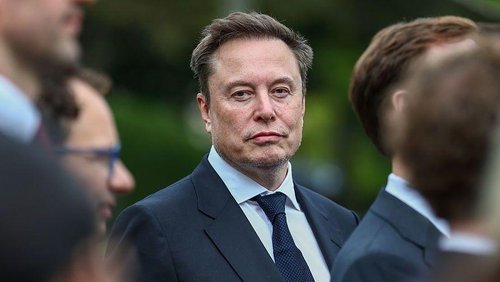
In Dresden, interviews with voters revealed contrasting sentiments as Vice President JD Vance urged European leaders at the Munich Security Conference to reconsider their stance towards 'extreme' parties, a remark that troubled some and encouraged others. Left-leaning voter Chris Buschmann expressed concern over Vance’s comments and the implications for the rise of the right-wing AfD (Alternative for Germany) party. “Hearing Mr. Vance made me anxious,” he said, alluding to the haunting memories of Germany's history. Tim Adams, who voted for a mix of the Green Party and Die Linke, echoed similar sentiments, criticizing the financial backing from Trump adviser Elon Musk for the AfD and condemning external influence in the elections. In stark contrast, some voters openly supported the Trump administration. In Aschaffenburg, Peter Kraus, a retired painter, expressed enthusiasm for the AfD, attributing his vote to the endorsements from Vance and Musk. “When the American vice president says it, they have exactly my opinion,” he stated, highlighting the changing dynamics of political loyalty influenced by foreign leaders. This growing polarization reflects a broader trend in which both optimism and fear surrounding American political figures’ influence on foreign democratic processes continues to shape voter behavior, raising concerns about the implications of external interventions in national politics.