In brief
The fourth edition of the ENACT Majlis convened in Abu Dhabi, bringing together industry, technology, and policy leaders to examine how infrastructure, system flexibility, and AI can bolster energy resilience. The event highlighted rising physical and cyber threats to energy assets and underscored a commitment to translate dialogue into actionable investment solutions.
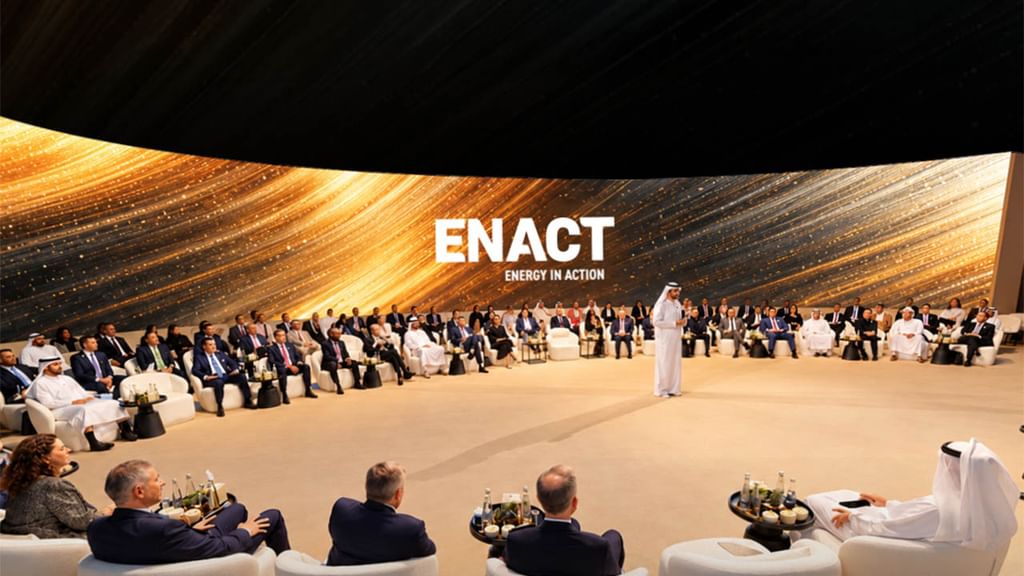
The fourth ENACT Majlis convened in Abu Dhabi on Sunday, drawing over 100 leaders from the energy, technology, investment, and policy sectors to discuss how the world can accelerate investment in infrastructure, system flexibility, and advanced technologies such as artificial intelligence (AI). The event, held in partnership with ADNOC, XRG, and Masdar, sought to align investment decisions with the emerging need for robust, adaptable energy systems that can sustain growing economic activity while mitigating growing threats to security and stability.
Meeting Focus
Organizers at ENACT framed the programme around the escalating risk profile of the global energy sector. Over the past six years, physical attacks on energy infrastructure have increased sixfold, and cyberattacks have doubled in the last two years—a development that underscores the urgency of integrating resilience into every phase of investment and deployment. The Majlis therefore devoted sessions to exploring how advanced analytics, machine‑learning algorithms, and robotics can be deployed to anticipate potential disruptions, adapt operations in real time, and accelerate recovery when incidents occur.
Central to the discussion was the role of AI in enhancing system flexibility. By providing predictive insights, AI can enable utilities to balance demand and supply more efficiently while reducing the probability of outages. The partnership with ADNOC, XRG, and Masdar highlights how state‑backed firms can lead the way in piloting intelligent technologies across the full energy value chain.
Global Impact
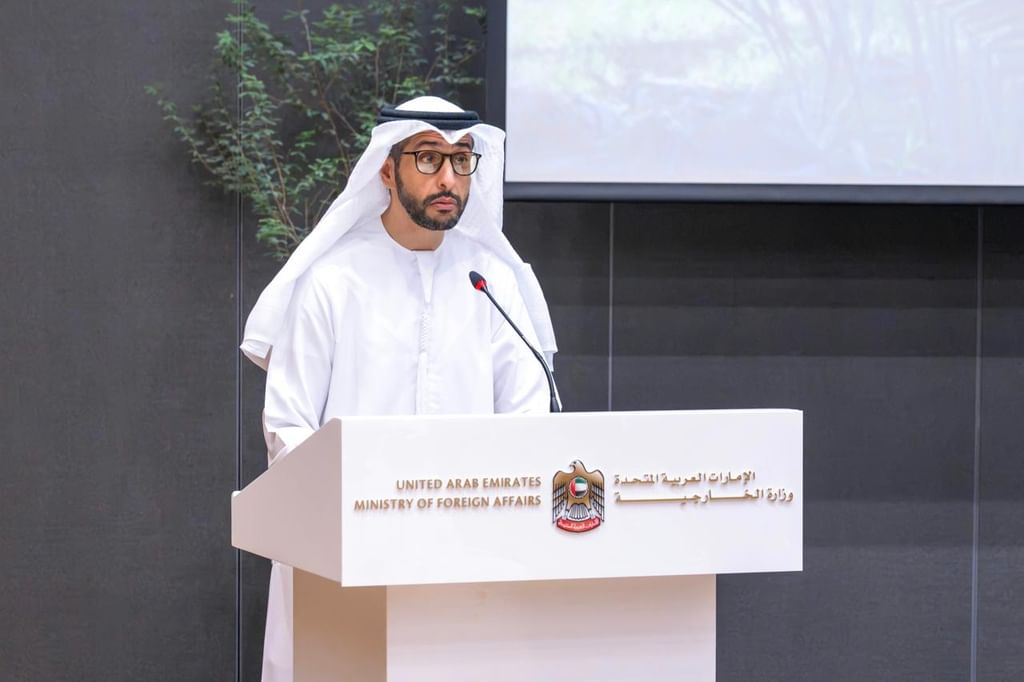
Dr Sultan Ahmed Al Jaber, who serves as Minister of Industry and Advanced Technology, ADNOC Managing Director, Group CEO, Executive Chairman of XRG, and Chairman of Masdar, opened the day with a call for cross‑sector investment that places resilience at its core. “Energy security is economic stability. As global energy demand grows and disruption increases, we need systems that can deliver more energy, more reliably, and perform under pressure. That means investing in capacity, flexibility and the intelligence to anticipate, adapt and recover faster,” he said.
“This year’s ENACT Majlis will advance collective, cross‑sector action to place resilience at the heart of investment decisions, accelerate the deployment of AI and robotics, and strengthen partnerships that enhance energy security and support socioeconomic growth.”
The Majlis also highlighted the historical expansion of ENACT beyond the UAE. Since its launch in Abu Dhabi in 2024, the platform has opened editions in Washington and returned to Abu Dhabi, building a track record of connecting leaders across geographies and sectors. The current edition signals a shift from discussion to tangible outcomes, encouraging participants to formalise partnerships, identify investable projects, and create an actionable framework for smart energy investments.
Representatives from leading venture capital firms, sovereign wealth funds, and innovation hubs attended to weigh in on how private capital can be mobilised to close gaps in grid infrastructure, storage solutions, and digital monitoring. The overarching consensus was that investment must be coupled with comprehensive risk assessments that factor in both physical damage and cyber resilience, as early warning systems and rapid response protocols become increasingly critical.
Looking ahead, the ENACT community has set a timeline to publish an updated investment dossier, building on the latest analysis which reinforced the case for urgent action. The shared message echoes across the sector: resilient, data‑driven energy systems are not just desirable—they are essential for sustaining global economic growth in an era of heightened uncertainty. By anchoring investment decisions in intelligence, partnership, and preparedness, the fourth Majlis seeks to translate high‑level dialogue into concrete pathways that safeguard nations and communities alike.