In brief
Port Sudan residents are struggling to meet basic water needs, with daily costs consuming entire monthly salaries for some families. The city's water supply meets less than half of demand, a shortfall worsened by the collapse of the Arbaat Dam and the influx of displaced people. Despite restoration efforts, the situation endangers public health and highlights the urgent need for comprehensive water infrastructure recovery.
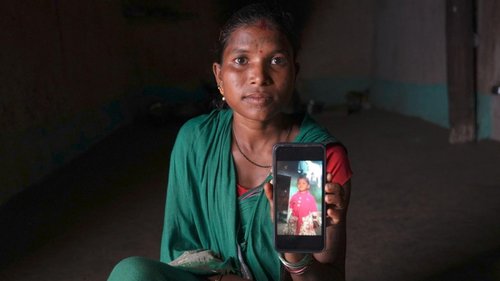
Port Sudan in eastern Sudan is facing a crippling water crisis that has left many families spending almost all of their monthly income on basic hydration. Amina Khalafallah, a woman working in a cafeteria and caring for four children, reports spending 10,000 Sudanese pounds—equivalent to about one U.S. dollar on the parallel market—each day on water purchased from street vendors, totalling roughly 300,000 pounds ($30) over a typical month. This figure represents the entirety of her household’s earnings, according to her statements to Al Jazeera on 30 October 2026.
Her home in the Deim Mayo neighbourhood is not connected to an official piped network; instead, she relies on mobile vendors who sell 18‑litre bottles for 1,000 pounds. In hotter months, these vendors become scarce and prices climb, forcing residents to prioritize water over other necessities.
"We make sure to set aside money for water in the summer before covering our other household needs, even if that means going without some essentials," Khalafallah told Al Jazeera.
Al Jazeera cited United Nations Development Programme (UNDP) findings that the three‑year‑long war in Sudan has driven average household incomes back to levels first seen in the early 1990s, deepening financial strain across the country. The African Development Bank (AfDB) added that safe water access is among Sudan’s most urgent needs, noting that millions of children remain at risk of waterborne illnesses.
Infrastructure collapse and displacement pressure
Port Sudan’s relative safety from the main theaters of conflict has attracted a significant number of internally displaced persons, amplifying demand on already fragile water facilities. According to AfDB reports, the city’s supply currently covers less than 40 percent of its stated demand—a figure that has remained stubbornly low despite ongoing restoration efforts.
A major contributor to the shortfall is the collapse of the Arbaat Dam. Located in the Red Sea Hills northwest of Port Sudan, the dam once supplied roughly half of the city’s daily water needs. Heavy rainfall and flooding in August 2024 triggered its collapse, destroying downstream villages and damaging pipelines and wells. The resulting loss of storage and supply capacity has left Port Sudan’s water network heavily reliant on costly, intermittent vendor deliveries.
In addition to infrastructure damage, the prevailing war environment and displacement waves have stretched public funding and logistics. Ahmed Osman, a 30‑year‑old worker at a municipal water distribution station, highlighted that water vendors have had to increase their prices to cover the rising cost of fuel and transport, adding an additional burden to consumers like Khalafallah.
The combined effect of these factors—economic downturn, infrastructural failure, and increased demand—creates a precarious situation for families across Port Sudan. As the AfDB warns, prolonged exposure to unsafe water conditions elevates risks for gastrointestinal and other waterborne diseases, particularly among vulnerable groups such as children and the elderly.
While officials report on restoration projects, such as repairing damaged pipelines and exploring alternative water sources, the impact on households has been limited. Deployed resources have yet to translate into a boost in the city’s water coverage percentage, which remains chillingly below 50 percent.
Given these circumstances, community activists and international agencies urge a coordinated approach: immediate infrastructure repair, investment in new water delivery systems, and subsidies or micro‑finance options for vulnerable families to offset skyrocketing prices.
Until such measures are fully implemented, Port Sudan’s residents will continue to face difficult choices between paying for the water that sustains daily life and securing other essential needs for their households.