In brief
Seven fishermen went missing off Sri Lanka's southern and northeastern coasts during two separate fishing trips on October 21 and an unknown date. The Navy and Air Force are conducting searches hampered by strong winds and rough seas linked to a Bay of Bengal cyclone, while the Meteorological Department has cautioned fishermen to suspend activities until the storm passes.
Sri Lanka’s Navy and Air Force launched search operations on Wednesday for seven fishermen who went missing on two separate fishing trips off the country’s southern and northeastern coasts, according to a statement from the Navy released by Xinhua.
The first incident involved a four‑person fishing vessel that departed from Kudawella in Matara district on October 21. The crew last communicated with the vessel’s owner on October 23, after which all contact was lost and the owner reported the boat missing, prompting the Navy to begin an immediate search with Air Force support.
The second incident concerns a three‑person fishing vessel that left Puthumathalan in Mullaitivu district in the northeast on an unknown date. No last‑known contact time has been recorded, and the vessel remains unlocated as search teams work to trace its path.
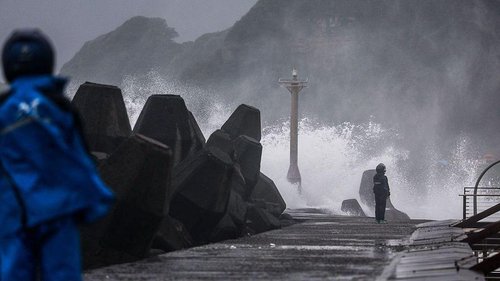
Both search efforts are being carried out in the waters of the Bay of Bengal, where the Department of Meteorology has warned of strong winds, rough seas and heavy thunderstorms linked to prevailing cyclonic conditions. These particular weather patterns have matured into a powerful Bay of Bengal cyclone, underscoring the acute risks that fishing crews face when operating near open ocean during periods of heightened swell.
In response to the hazardous conditions, the Meteorology Department advised fishing vessels and naval units to suspend all activities in the effected sea areas until further notice. The department also urged any crews already underway to move toward safer waters, thereby aiming to prevent further loss of life amid the worsening cyclonic surge.
Copper‑laden crossings such as this showcase not only the everyday bravery of Sri Lanka’s coastal fishing communities but also the vulnerability exposed by sudden environmental variances. The high seas around the south and north coasts have recently seen a noticeable increase in swell intensity, thereby leaving small boats exposed to a sudden loss of balance and control.
While details of the missing fishermen’s identities remain restricted, the Navy has assured that its teams are employing all available aircraft, boats and human‑search teams in their effort to locate the missing vessels and the men aboard. The air support is roaming densely clouded skies that cast rolling waves, a testament to the integration of aerial surveillance into maritime rescue operations.
At the end of the brief but intense briefing, U.S.-style commentary on the operations stresses that, with the worsening of cyclone activity globally, any small fishing vessel projects—whether in Sri Lanka or elsewhere—must prioritize weather monitoring and preparedness protocols. The search for the missing crew will continue until the primary cyclone dissipates and the seas calm, offering a hopeful outlook that the lasting threat of the storm will not cause further tragedies.