In brief
The first Test between Australia and South Africa at Kingsmead was derailed by mid‑afternoon clouds, causing over 60 overs of play to be lost. The International Cricket Council’s new rule permits the use of a pink ball in day‑night matches, aiming to battle poor light conditions. Yet the pandemic‑era rule change was not activated in this match, sparking debate about how sporting bodies can proactively prepare for unpredictable, climate‑driven weather. This episode underscores the growing role of climate resilience in sports infrastructure and scheduling, and shows that even high‑profile events must embed adaptive strategies to maintain fairness and safety. Governing bodies, stadium designers, and broadcasters are now lobbying for a more robust framework that incorporates real‑time meteorological data and flexible fixture planning.
How a 30‑minute pause in a Test match highlighted climate vulnerability
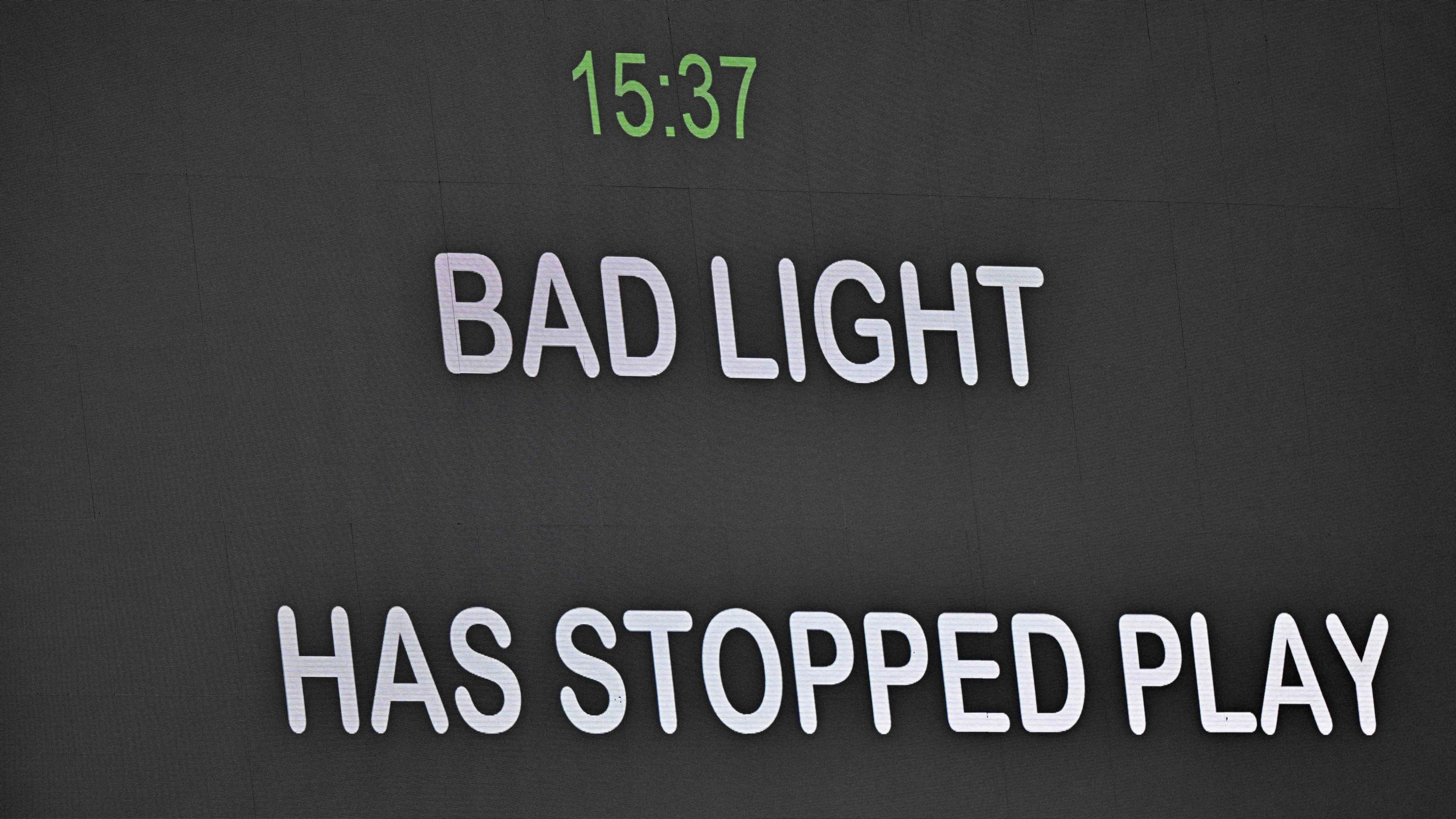
At 15:23 on Day 1 of the first Test in Durban, play stopped when cloud cover thickened, leaving 24.8 overs unplayed. Over the first three days, more than 60 overs were lost, showing how even elite sports can be struck down by weather swings.
A new rule designed to battle “bad light”
Last week the International Cricket Council (ICC) updated its playing conditions to allow teams to decide before a match whether a pink ball would be used for the entire Test if volatile light is expected. The rule seeks to keep games running, regardless of sudden dusk or cloud cover.
In Durban, Australia and South Africa did not agree to use the pink ball. When the light failed, the umpires could not switch from the traditional red ball mid‑match, meaning play was halted again. The rule was designed to prevent such downtime, a tactic now desperately needed as the climate shifts the timing of sun and cloud cycles.
Why the pink ball is not a silver solution
While the pink ball improves visibility under artificial light, critics argue it can swing harder. Some bowlers say it behaves unpredictably once the light fades, and batsmen feel it is less visible in the late afternoon, especially under humid conditions that intensify Durban’s heat.
In the past year, clouds have become more frequent mid‑afternoon in coastal hot spots, a trend linked to rising global temperatures. Lands that used to enjoy stable sun hours are now seeing the sun hit winds and moisture, creating local micro‑climates that stymie sporting schedules.
Building climate‑smart stadiums
Stadium designers are now incorporating shading devices, real‑time weather stations, and adaptive lighting that can compensate for sudden light loss. Some venues are installing smart‑panel roofs that reflect excess heat, keeping indoor conditions comfortable while preserving the natural light necessary for play.
Broader lessons emerge: any logic of scheduling or equipment change must accommodate proven and predicted weather patterns, not just historical averages. This goes beyond cricket—athletics, soccer, and winter sports are also grappling with unseasonal snowstorms and heat waves crossing traditional boundaries.
Conclusion: Adaptation needs to be formalised
The Durban match underscores that when climate change changes what used to be a predictable day‑night cycle, sports championships must institutionalise flexible, data‑driven protocols. The ICC’s new rule is a start, but comprehensive, climate‑smart operational playbooks are the next step for a sport that sits at the cross‑roads of entertainment, revenue and environmental stewardship.